

Posts for tag "buoys"
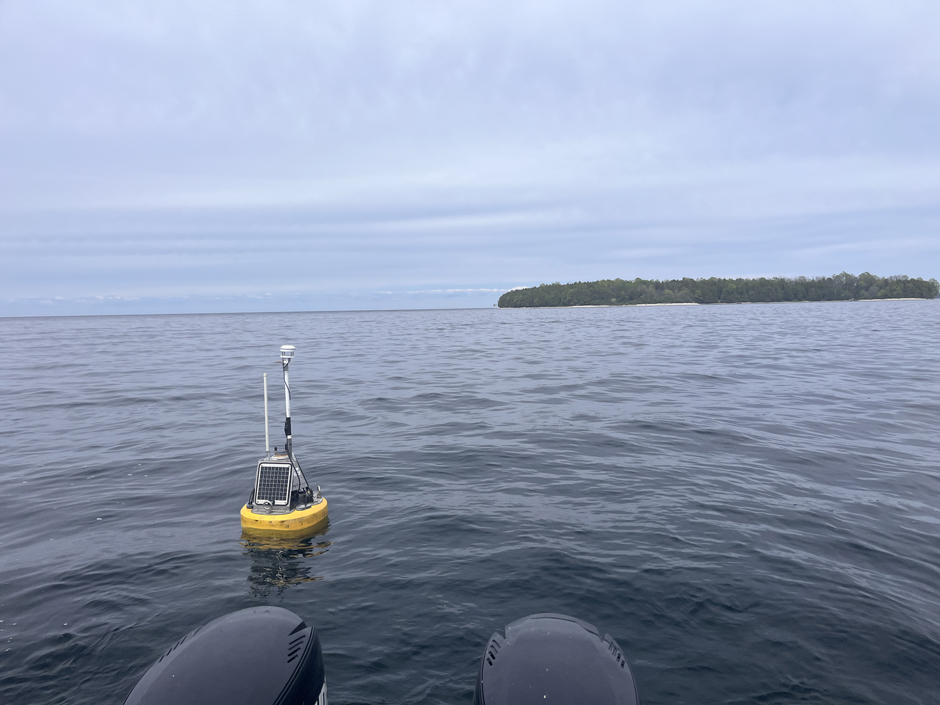
Measuring Harmful Algal Bloom Toxins Using Real-Time Data Buoys in the Great Lakes
While harmful algal blooms (HABs) are a significant issue in the Great Lakes that have been monitored using real-time data buoys, there is still no automated method for measuring the toxins produced by these blooms. Todd Miller,...
- Posted September 1, 2025
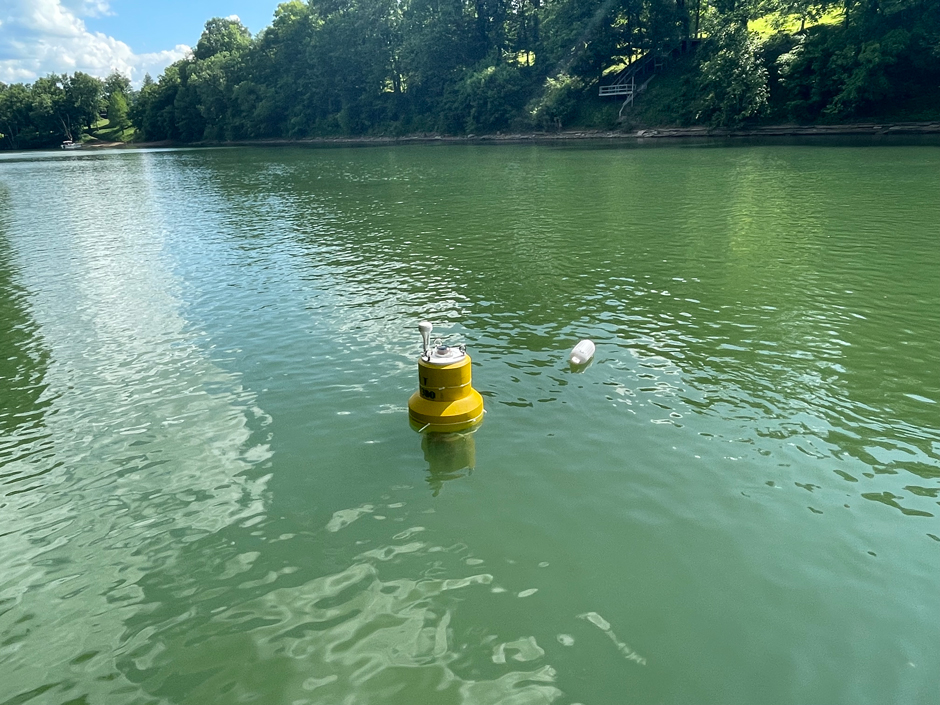

Buoy-Based Solutions: Strengthening Kentucky’s Emergency Response Efforts
When Kentucky’s Emergency Response Team (ERT) has to act quickly in response to chemical and oil spills in the Commonwealth, they rely on small, easily deployable buoys to collect critical data that help minimize and evaluate damages...
- Posted January 6, 2025
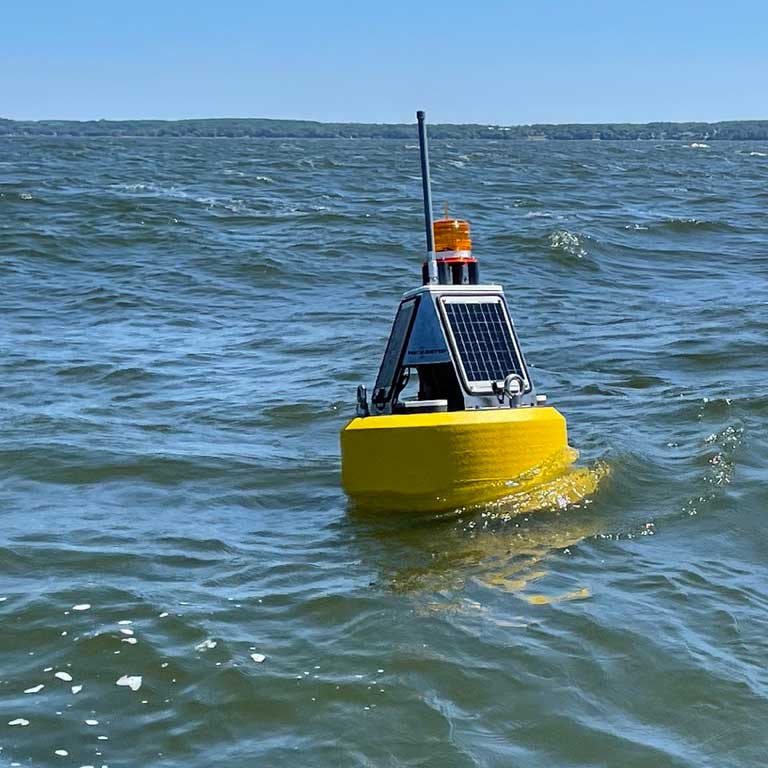

Green Water in Green Bay: Using Data Buoys to Monitor the Southern Bay
While the bay of Green Bay has been referred to as the largest freshwater “estuary” in the world, the watershed hosts intensive agriculture and contributes one-third of Lake Michigan’s total phosphorus load. The Fox River flows into...
- Posted November 11, 2024
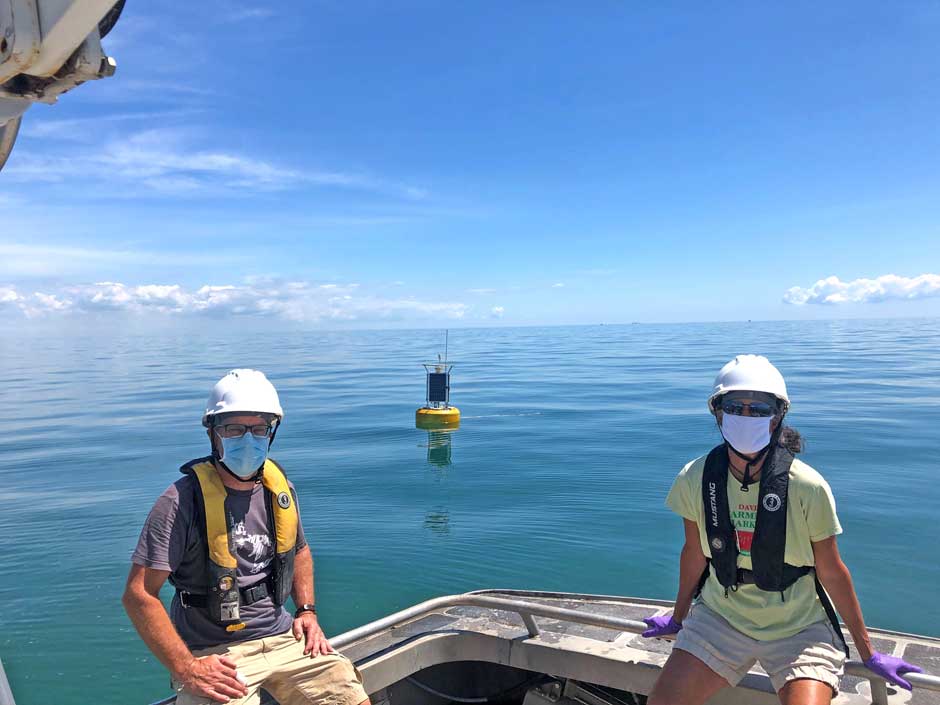
Buoys in the time of Covid: Delays to important information
Although buoys collect and relay data largely on their own, they require a team to deploy. Covid slowed them down.
- Posted February 9, 2021
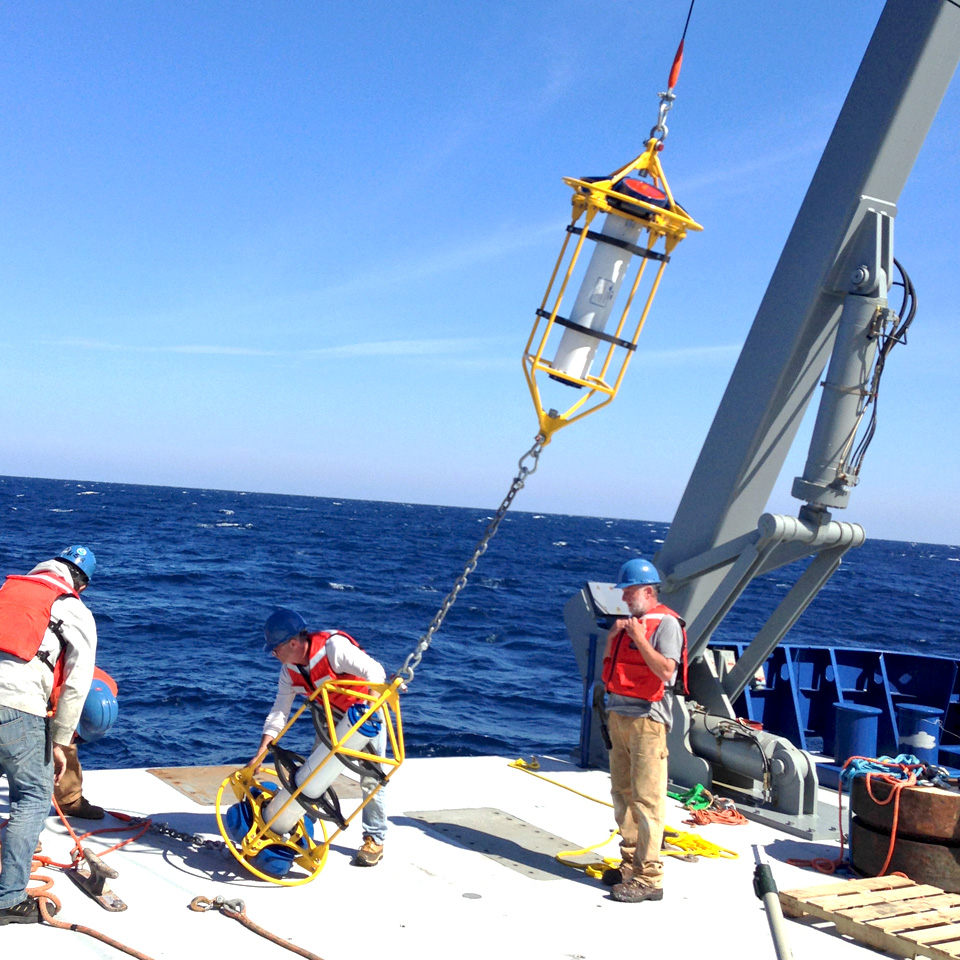

Breaking Down the Research Magic Being Captured by Duke’s WIzARD
Researchers at Duke University have deployed a 500-foot mooring line capable of collecting an array of biological and environmental data in the ocean.
- Posted July 1, 2020
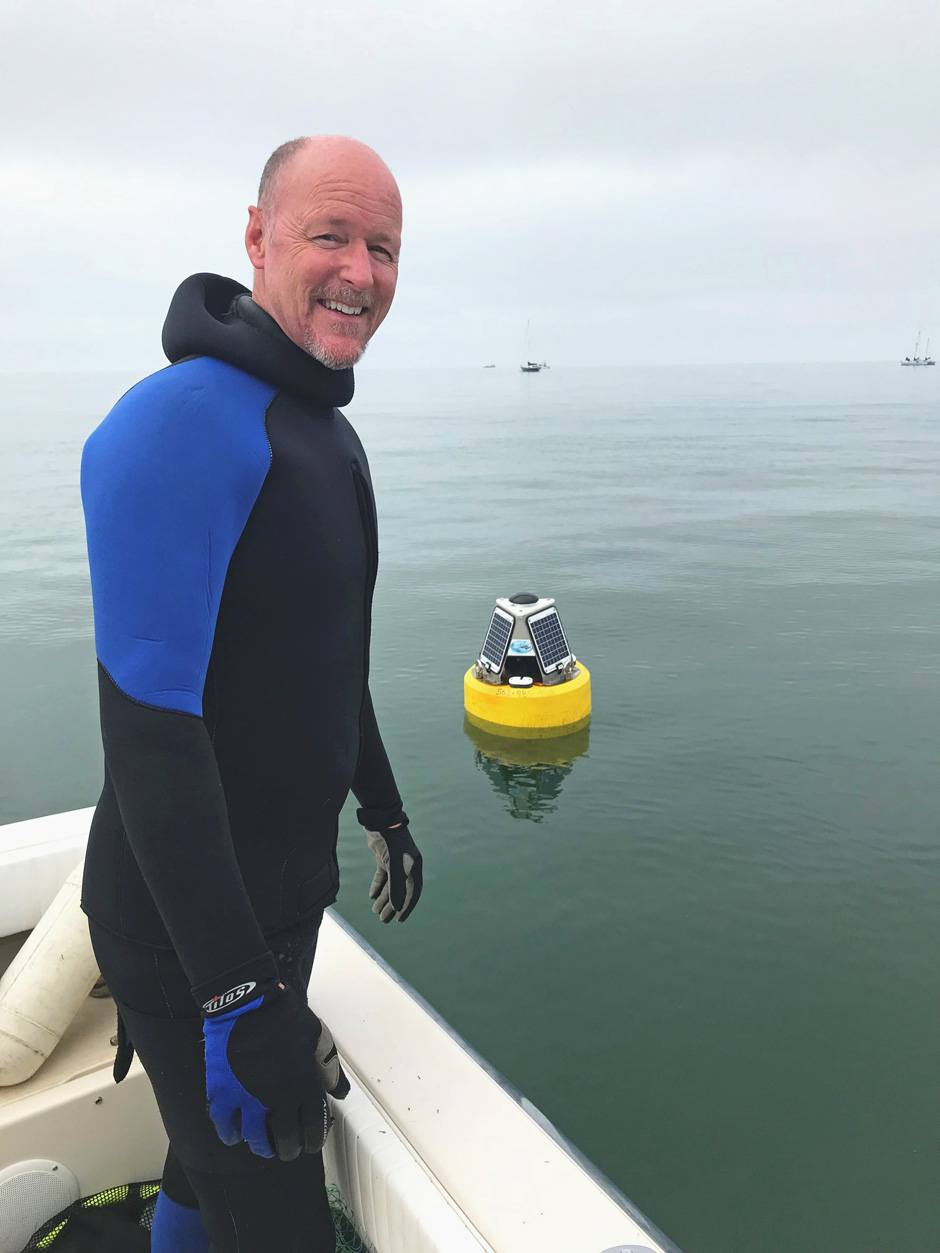

Much Remains Unknown About Sharks. The Cal State Shark Lab Wants to Change That
At the California State University Shark Lab, a cradle of innovation and research is leading the charge into understanding sharks behavior and physiology.
- Posted February 6, 2020
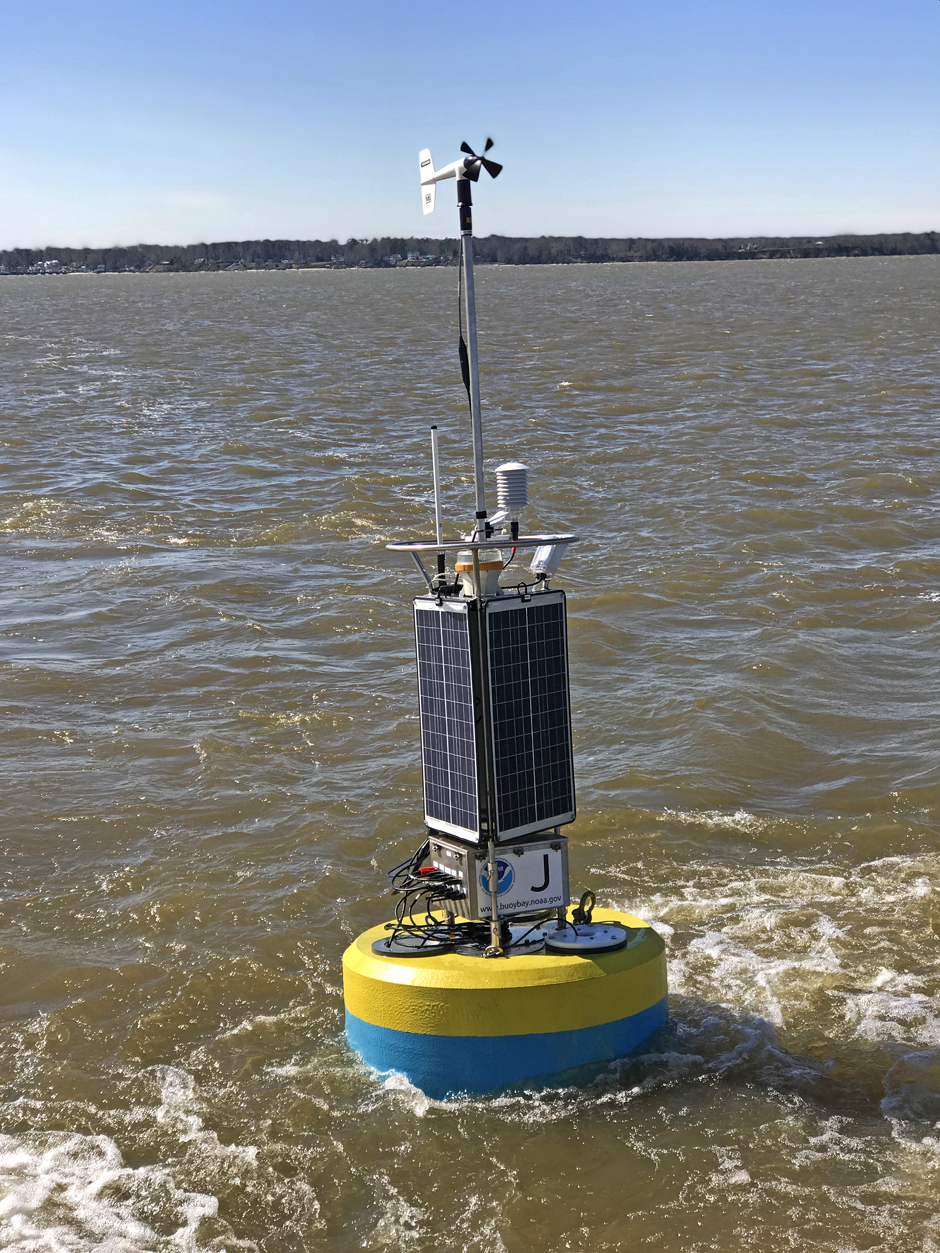
Deploying a New Weather Buoy System With NOAA
A NOAA team that maintains a buoy system in the Chesapeake Bay is phasing in new equipment and describes the process.
- Posted July 1, 2019
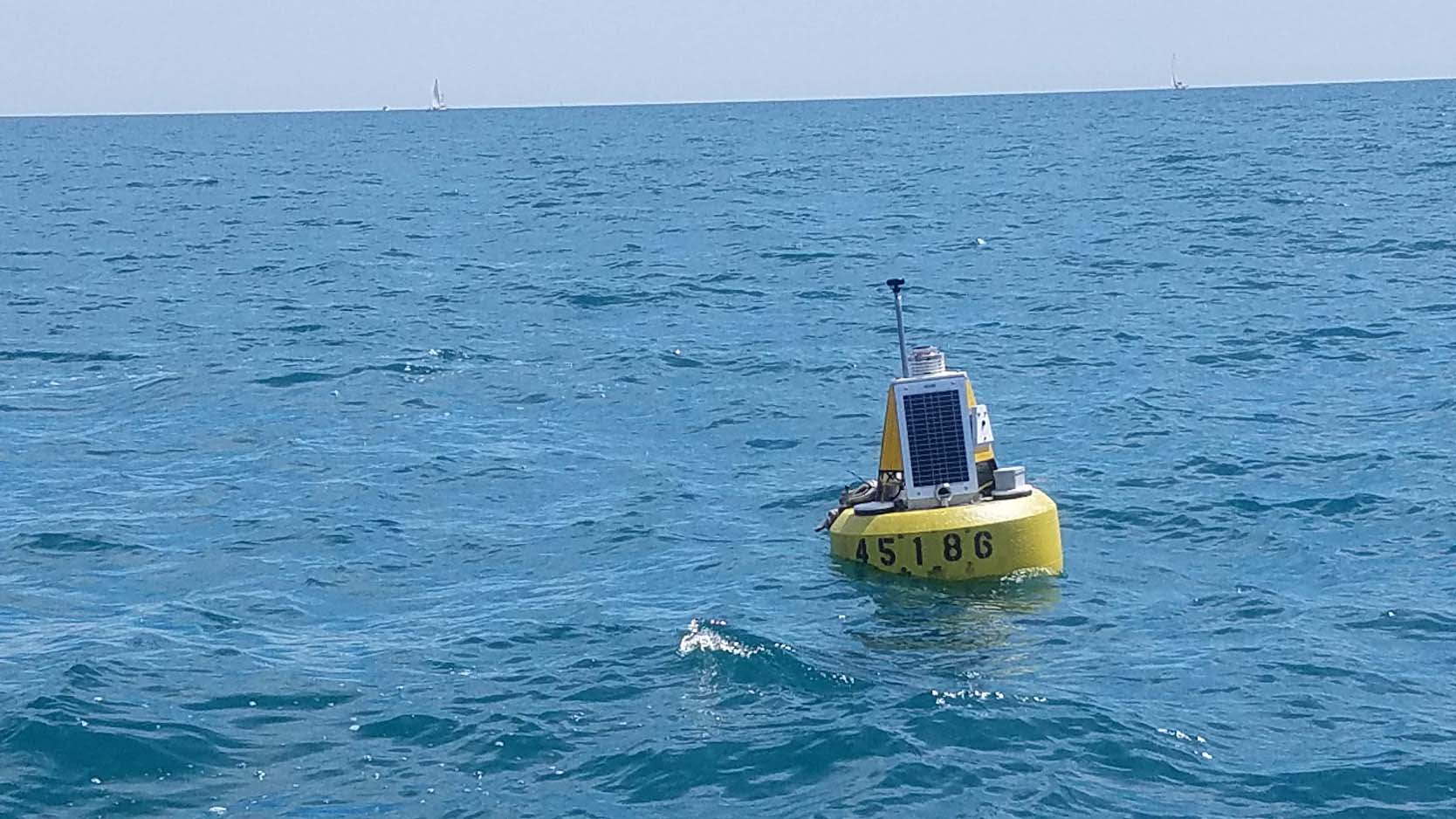

Lake Michigan’s Smarter, Streamlined Buoys
New, smarter buoys were deployed on Lake Michigan this summer, so EM spoke to an engineer who helped design them and a scientist using their data.
- Posted November 5, 2018