

Posts for tag "harmful algal blooms"
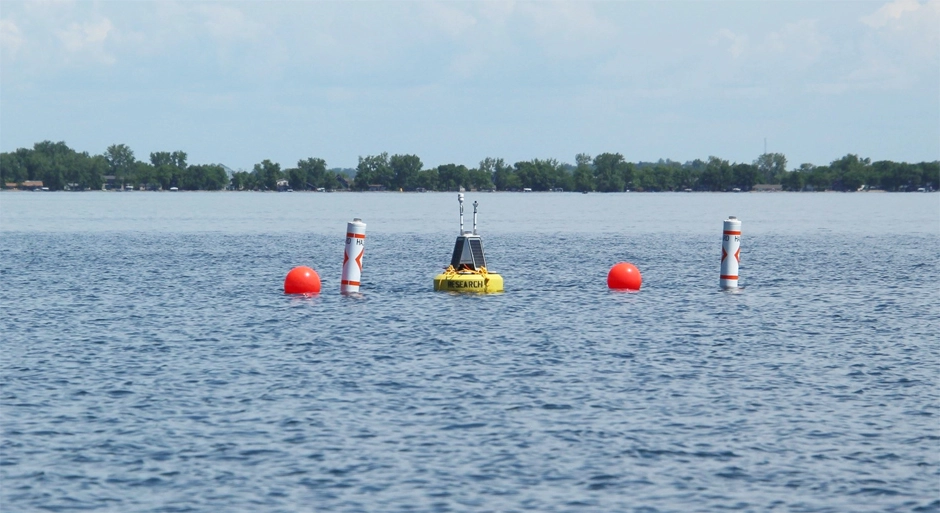
Iowa Great Lakes: Glacial Origins to Modern Monitoring
The hummocked landscape of Iowa’s northwest is a looking glass to its glacial past, and the Iowa Great Lakes–a cluster of seven natural lakes in Dickinson County–are no exception. Glaciers are more than enormous blocks of ice...
- Posted March 25, 2026
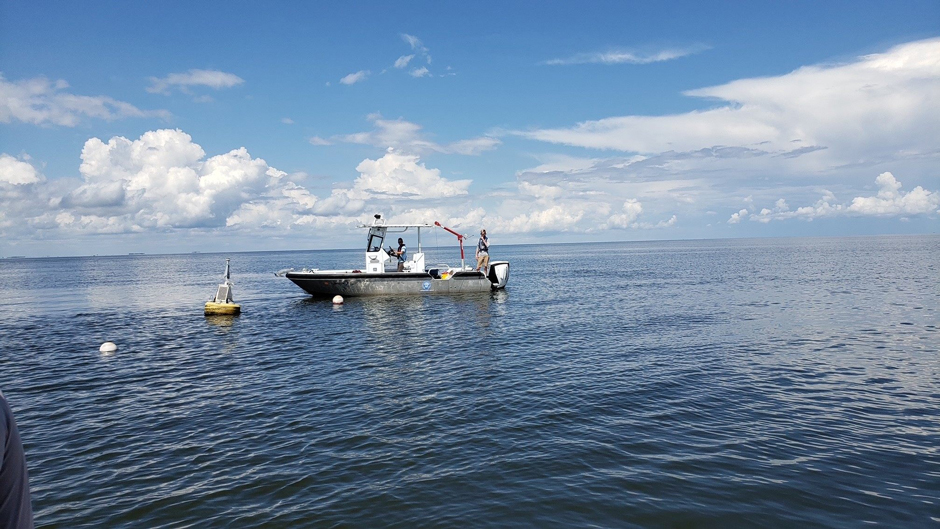

Restoring the Heart of the Everglades Starts at Lake Okeechobee
Standing on the southern bank of Lake Okeechobee, central Florida, sawgrass bows to the relentless wind, and the white caps of wind waves scour the grey line of the horizon. Lake Okeechobee is the second-largest freshwater lake...
- Posted March 18, 2026
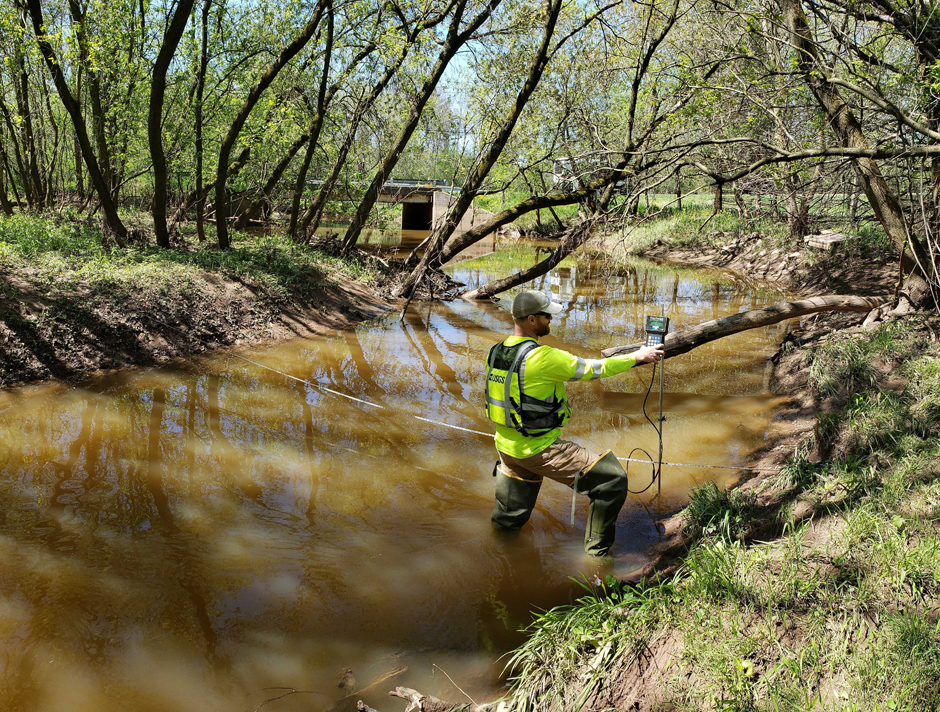

Predicting Harmful Algal Blooms in Green Bay’s Fox River
Green Bay, Wisconsin, has long faced water quality concerns, dating back decades to when the region was industrialized and waste was frequently flowing into the Fox River, a tributary of the bay. Nutrient loads from development and...
- Posted October 13, 2025
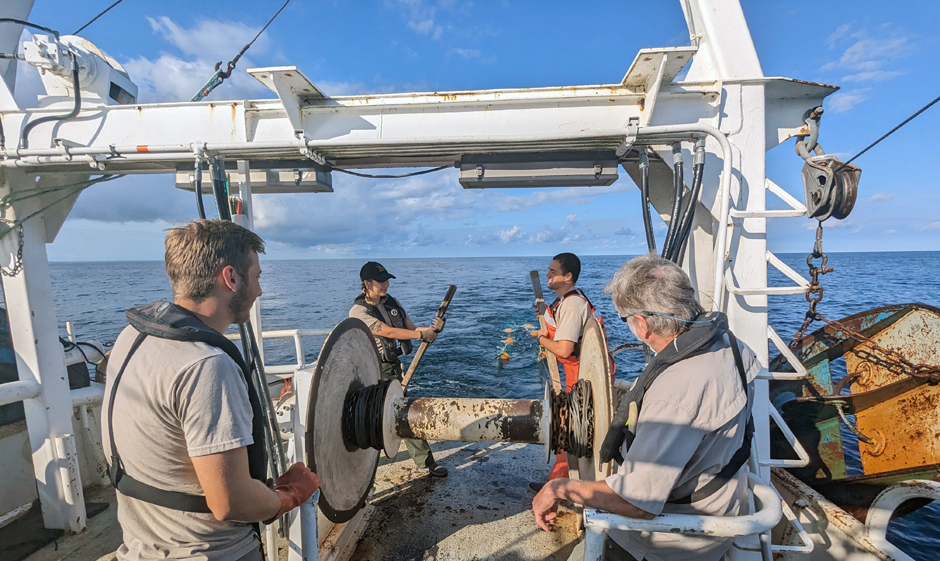

Researching Lake Erie’s Water Quality and Fisheries at the Fairport Harbor Research Unit
Lake Erie is well known for its sport fish populations and recreation on the water. However, the lake is also notorious for occasionally suffering from poor water quality conditions, such as harmful algal blooms and nutrient runoff....
- Posted October 8, 2025
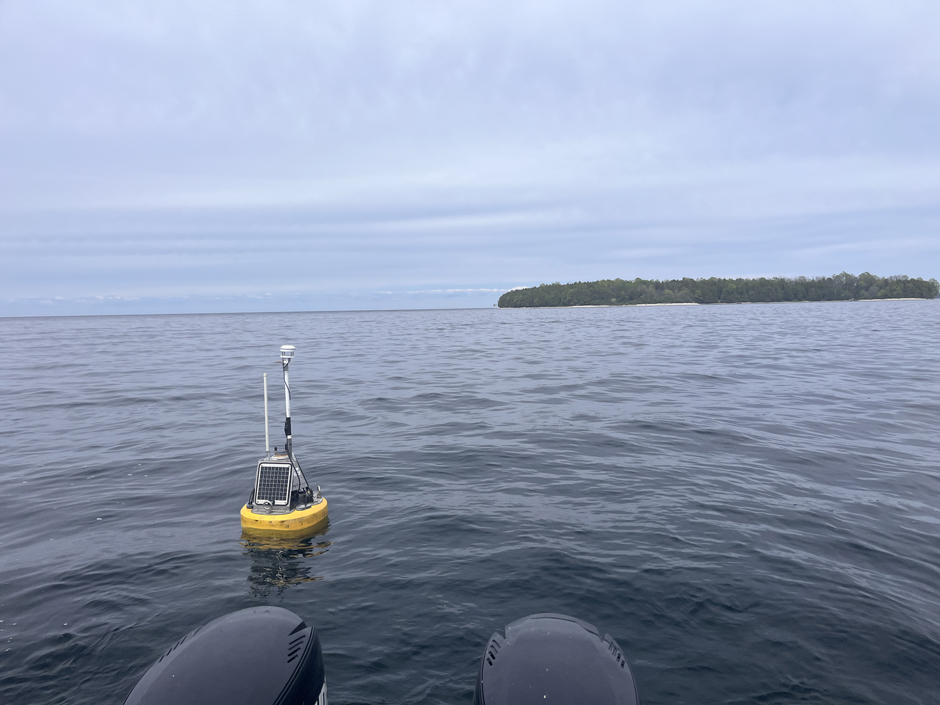

Measuring Harmful Algal Bloom Toxins Using Real-Time Data Buoys in the Great Lakes
While harmful algal blooms (HABs) are a significant issue in the Great Lakes that have been monitored using real-time data buoys, there is still no automated method for measuring the toxins produced by these blooms. Todd Miller,...
- Posted September 1, 2025
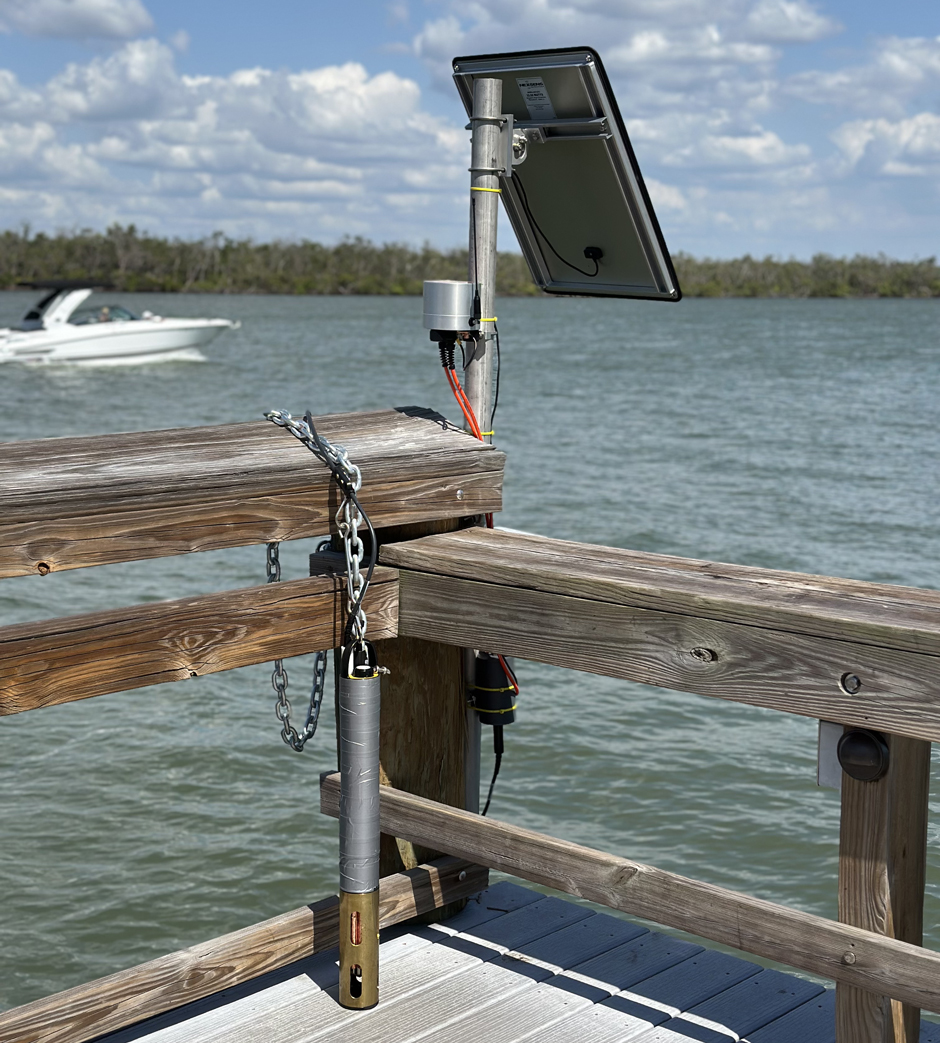

From Hurricanes to Florida’s Red Tides: Monitoring the Southwest Gulf Coast
Nearly every year, southwest Florida is blighted by harmful Karenia brevis blooms–known colloquially as Florida red tides. These harmful algal blooms (HABs) form over the West Florida shelf and are pushed shorewards by winds and currents. Once...
- Posted June 25, 2025
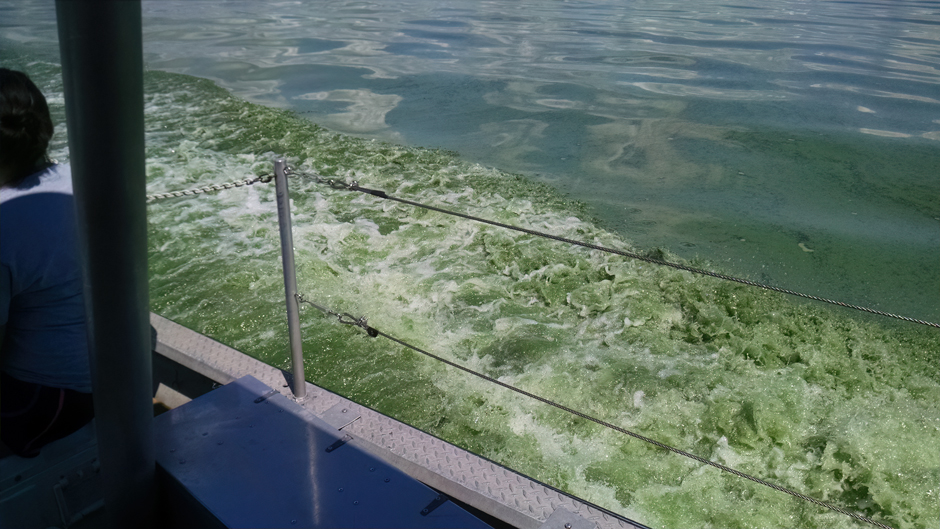
Stone Lab: Cyanobacteria Monitoring in Ohio Lakes
Microcystin, one of several toxins produced by the cyanobacteria that form harmful algal blooms (HABs), has become a popular topic of lake research as the human health impacts of HABs become better understood. Stone Lab is one...
- Posted July 22, 2024
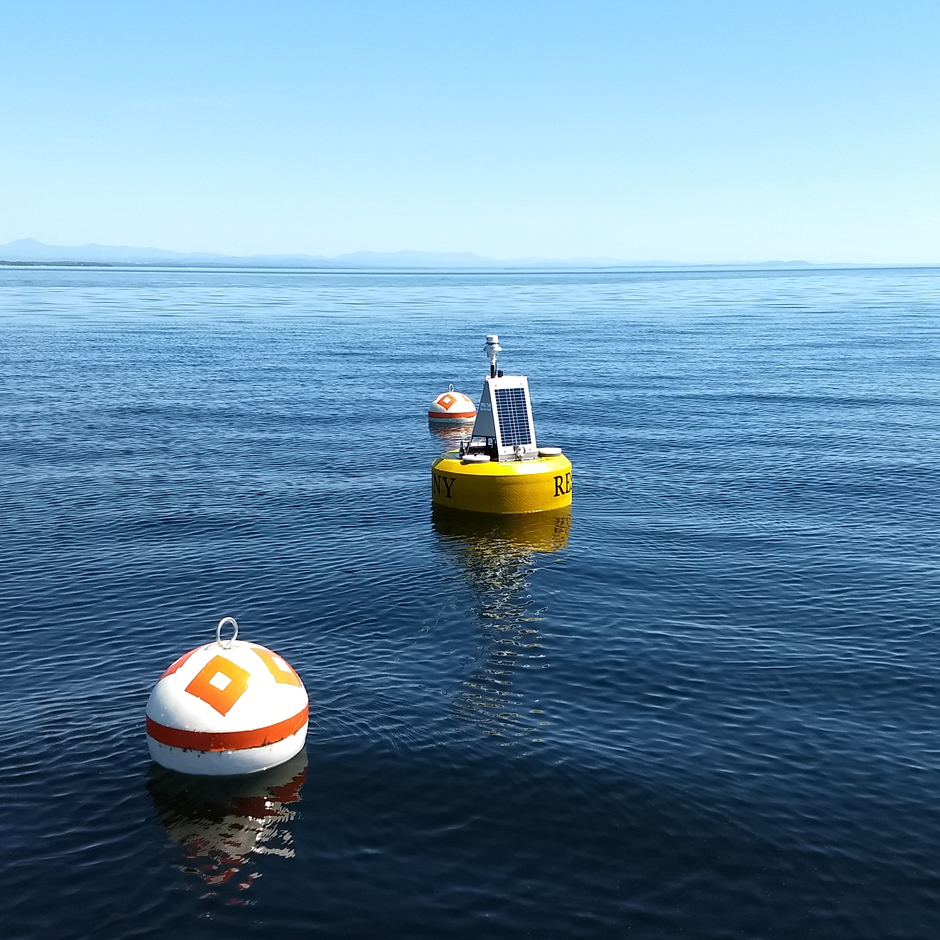

Climate Change and Microplastics: Monitoring Lake Champlain
Most people go to Lake Champlain for its exceptional views and thrilling boating, but it’s also home to a wide variety of interesting aquatic research projects. From studying microplastics to thermal dynamics of the lake, Timothy Mihuc,...
- Posted June 24, 2024
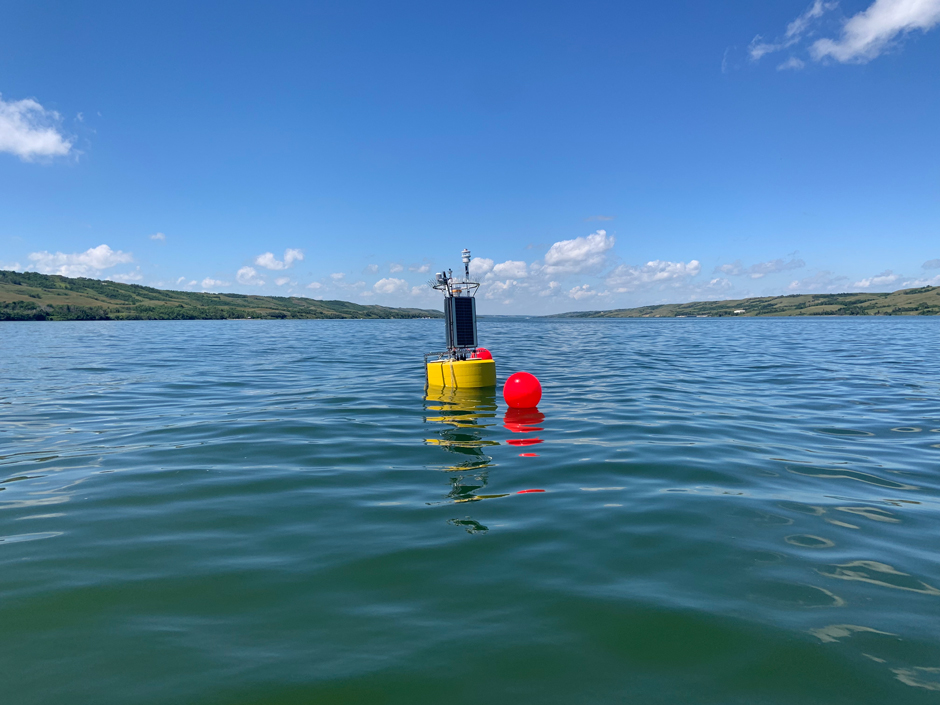
Combating Water Insecurity in Saskatchewan with Real-Time Data
The prairies of Saskatchewan can be described as one of the least water-secure parts of Canada, making water quality monitoring essential for informed resource management in a region already facing water insecurity. While natural physical properties worsen...
- Posted April 15, 2024
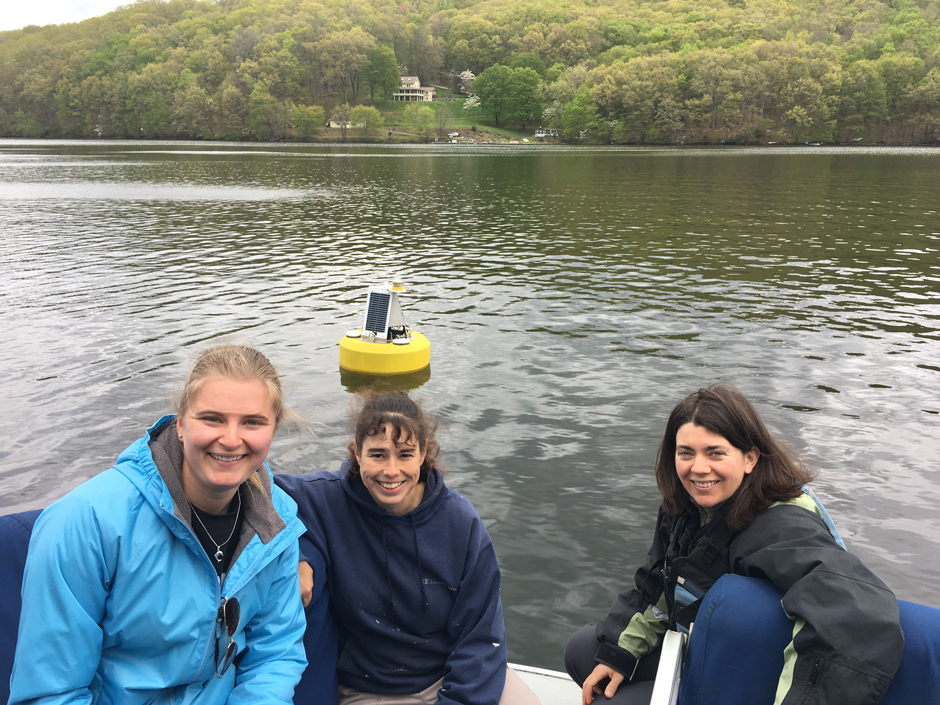
Combining Academia and Lake Associations: Monitoring Lake Lillinonah
Lake Lillinonah may be Connecticut’s second-largest lake, but it holds a great deal of meaning for locals and researchers in the surrounding towns. The lake is so significant to the surrounding community that it is one of...
- Posted March 4, 2024
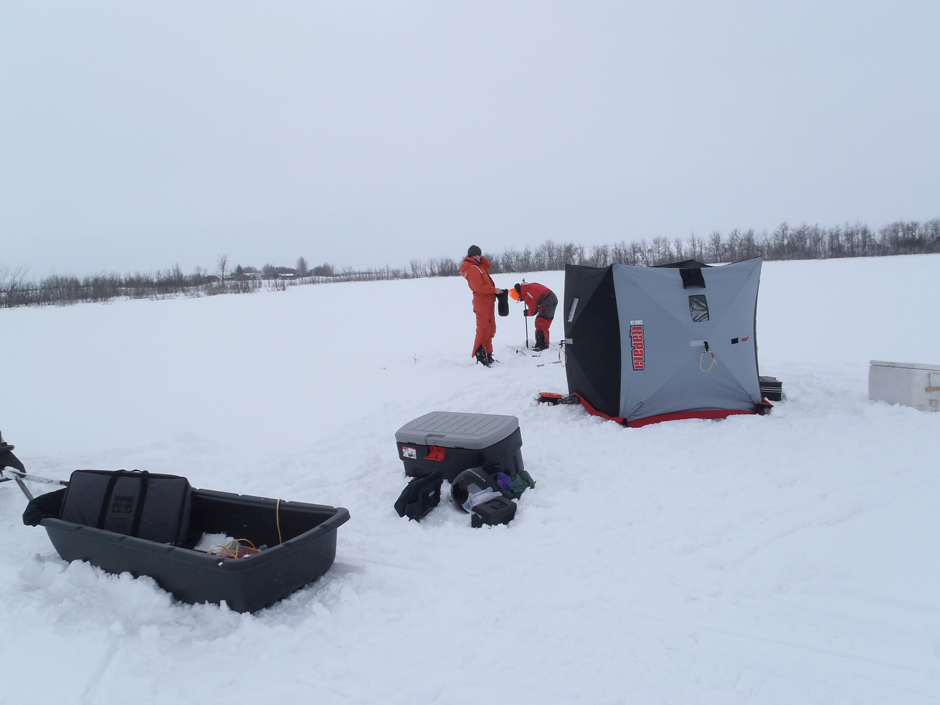
Thin Ice: Year-Long Monitoring in Missouri Reservoirs
The value of multi-lake studies is well understood by international organizations like the Global Lake Ecological Observatory Network (GLEON) and the scientists who work tirelessly to provide data to the larger network. Rebecca North, an associate professor...
- Posted February 26, 2024
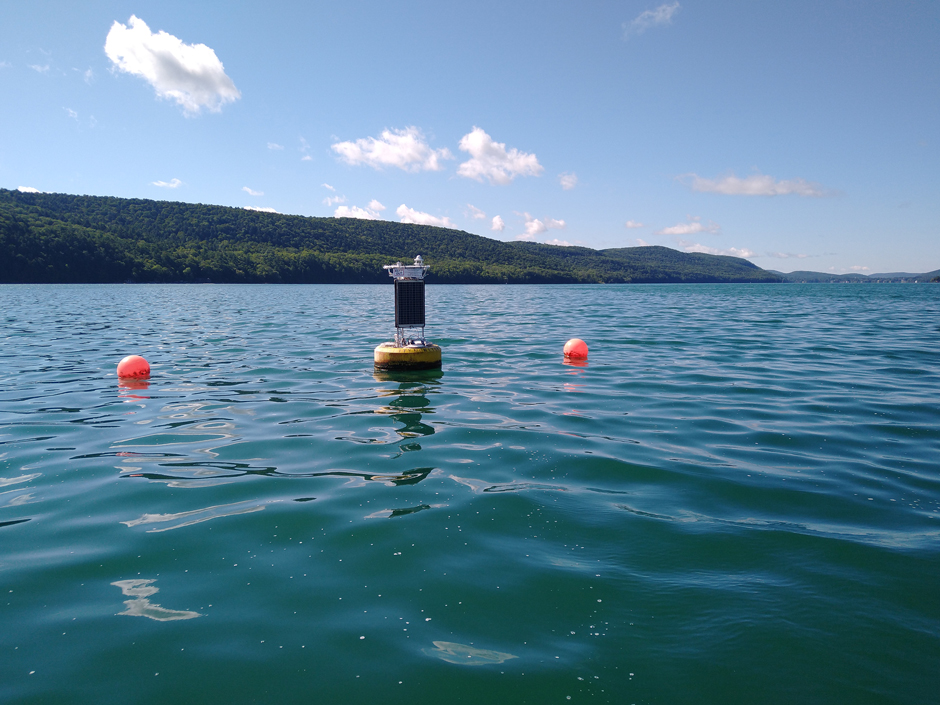
Before and After Harmful Algal Blooms: Long-Term Monitoring and Modeling in Otsego Lake
Throughout the years, harmful algal blooms (HABs) in the Laurentian Great Lakes have been meticulously documented and closely studied due to their annual appearance across the basin. While these blooms have become a recurrent issue in the...
- Posted August 28, 2023
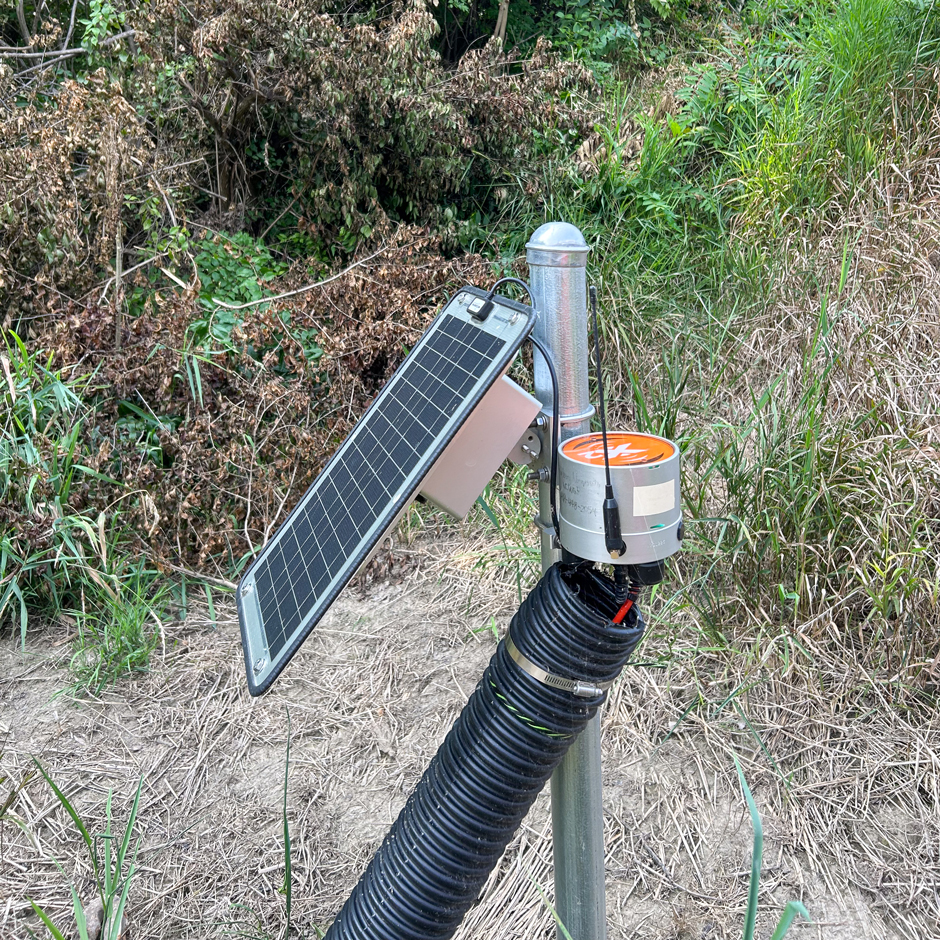
Data in Action: Heidelberg’s Nutrient Monitoring in Great Lakes Tributaries
In the early hours of the morning, when most people have yet to hit snooze for the first time, water sampling sites across Ohio are awake and actively collecting nutrient data. The samplers are active at noon,...
- Posted August 7, 2023
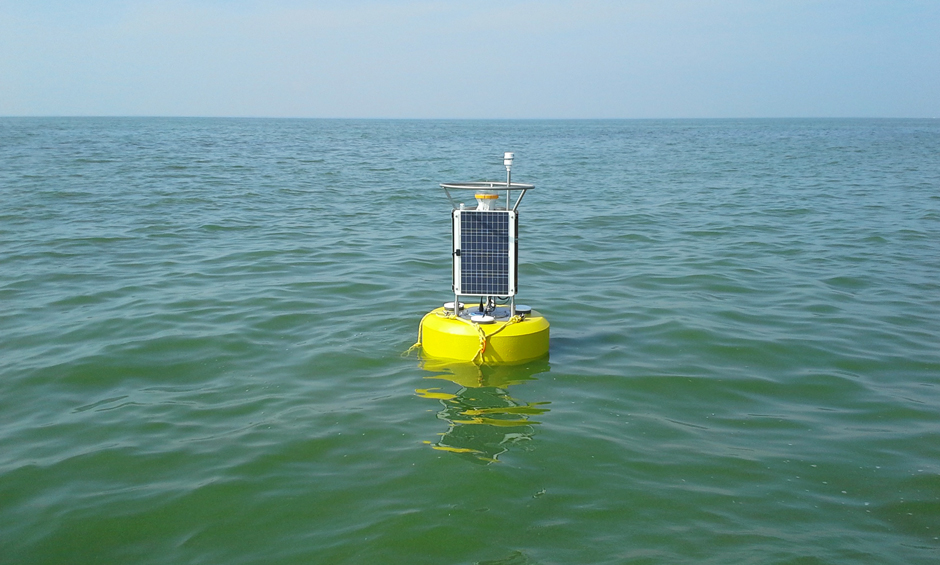

Treating Harmful Algal Blooms: A Natural Progression
Researchers continue to perfect approaches to forecasting, assessing the impact, and preventing Harmful Algal Blooms (HAB).
- Posted September 19, 2022
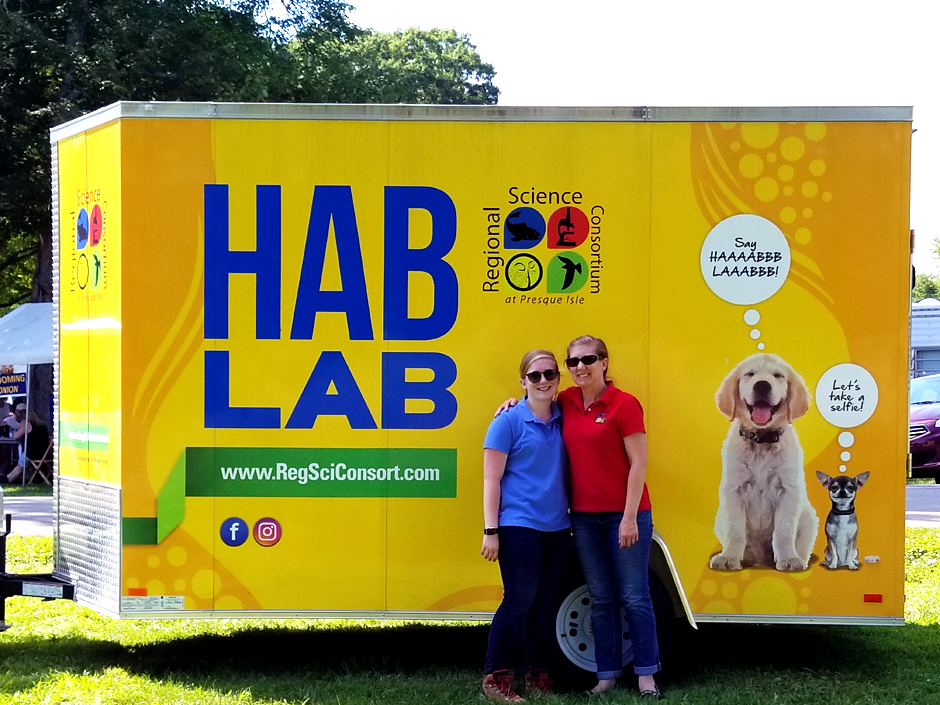
Mobile HAB Lab, Citizen Scientists Building Awareness
The Mobile HAB Lab project is taking awareness about Microcystin to the public in Pennsylvania to help keep people and pets safe.
- Posted October 23, 2019
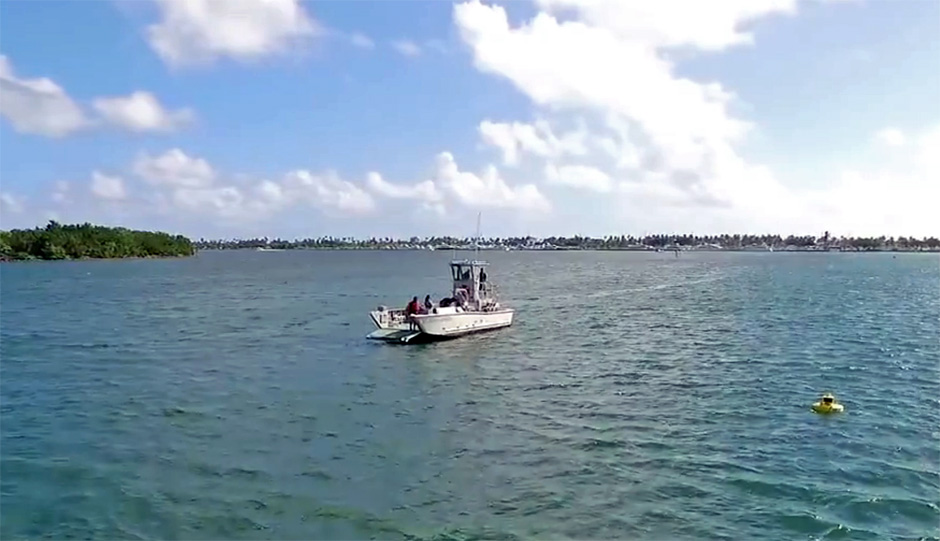

Buoy Monitoring for Red Tide, Students Watching Sea Level Rise
Florida International University is deploying a data buoy to monitor for red tide, and educating citizen scientists on sea level rise.
- Posted March 27, 2019