
Posts for tag "Oregon State University"
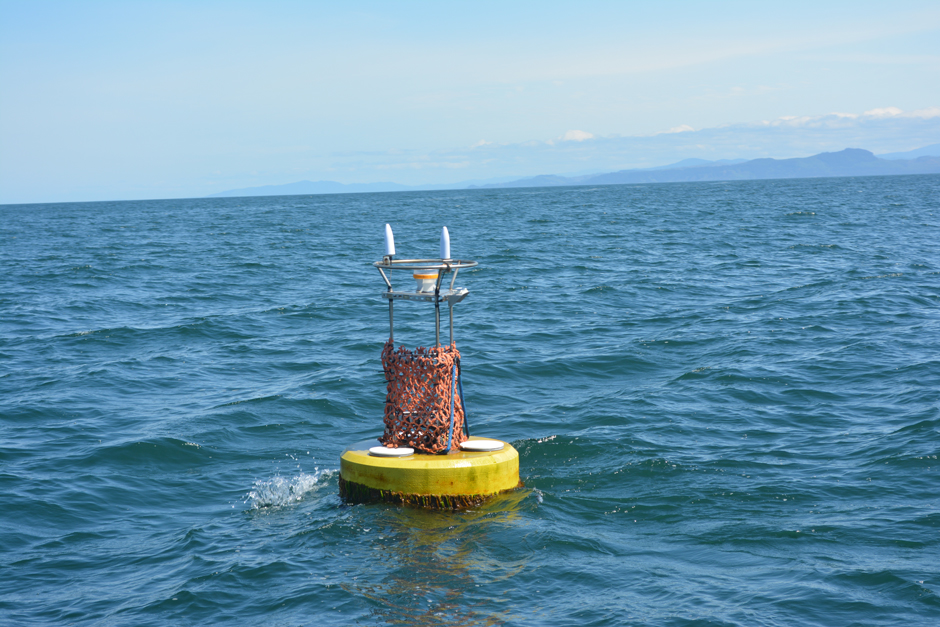
Riding the Renewable Wave: Testing Wave Energy Converters at Oregon’s PacWave Site
Seven miles off Oregon’s weather-beaten coastline, the world’s biggest wave power testing facility, PacWave, is primed to put the latest renewable energy technology to the test. “There is a huge amount of energy that is not harvested...
- Posted November 5, 2025
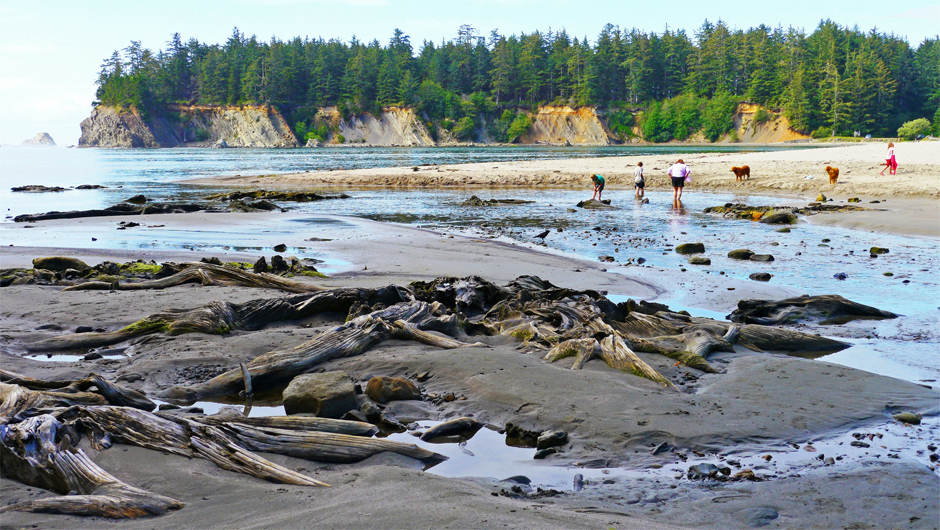

Monitoring for Runup Signals to Reduce Sneaker Wave Risk
New research into runup signals and storm forerunners may yield an early warning system for dangerous sneaker waves.
- Posted August 23, 2019
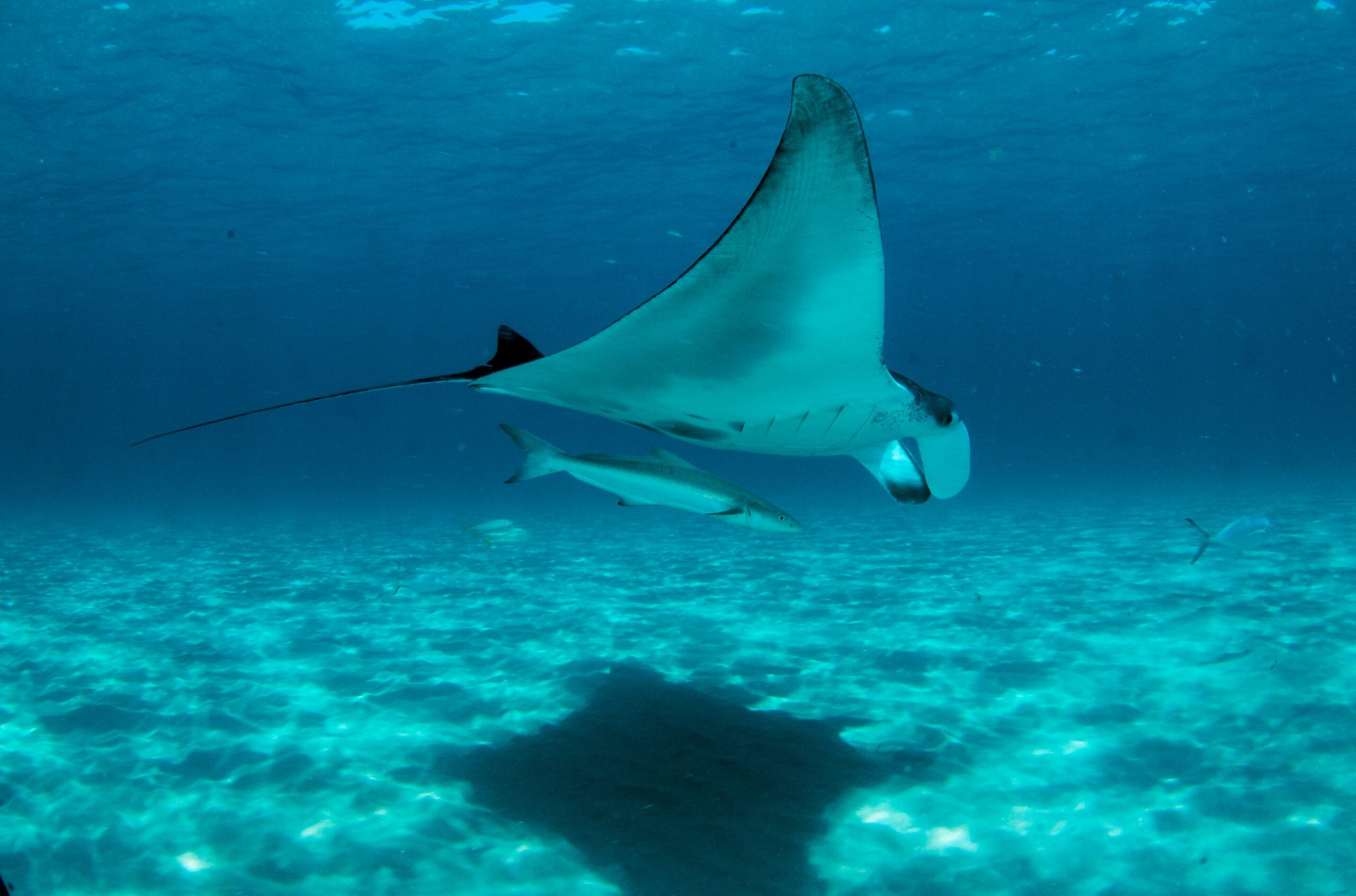

Learning to Filter Water—By Studying Manta Rays
Recent research on the filtration system of the manta ray offers hope for fighting microplastic pollution.
- Posted February 1, 2019

Ocean Observatories Initiative Data Center Launches
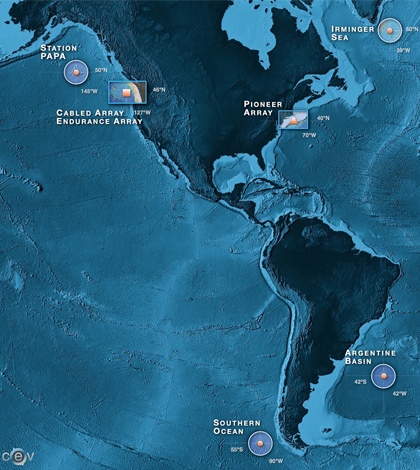
A data center for the pioneering Ocean Observatories Initiative, which collects and shares data from more than 800 sophisticated instruments and a transmission network across the Atlantic and Pacific oceans, is now operating at Rutgers University. The...
- Posted May 24, 2016
Wetland Restoration Could Be Key To Midwestern Flood Management
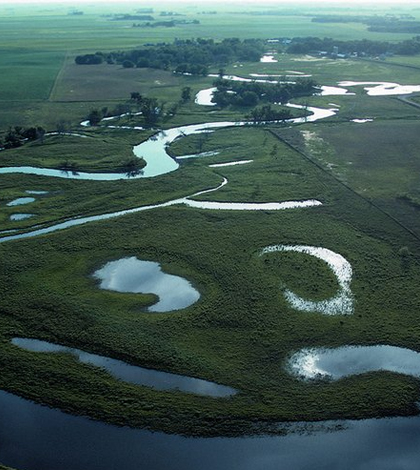
Once a common part of the Midwestern landscape, wetlands have been decimated as farmlands and cities have taken over and populations have increased. The losses have left the Midwest more vulnerable to flooding, a problem likely to...
- Posted April 6, 2016
Study Of Deep Turbulence Reveals Ocean Currents Insights
New findings on small-scale turbulence deep in the Gulf of Mexico aid understanding of ocean currents, with implications for weather and climate models.
- Posted April 4, 2016
North Pacific Ocean Warming Could Lead To More Dead Zones
While the tendency may be to think of climate change effects as gradual, marine sediment evidence suggests that some large climate effects on the ocean, such as the development of low-oxygen North Pacific “dead zones,” can occur...
- Posted November 23, 2015
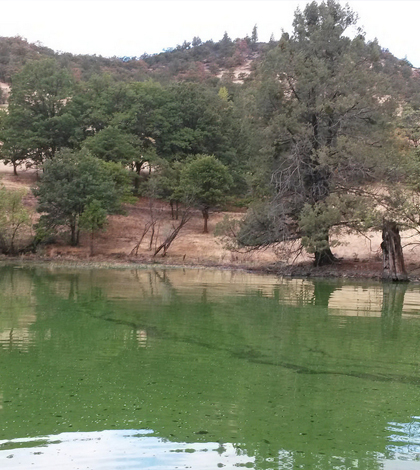
Report: Toxic Blue-Green Algae Pose Increasing Threat To Drinking And Recreational Waters
A new report declares that rising levels of toxic blue-green algae are threatening the health of drinking and recreational waters in the United States, according to a release from Oregon State University. Scientists at the university were...
- Posted August 24, 2015
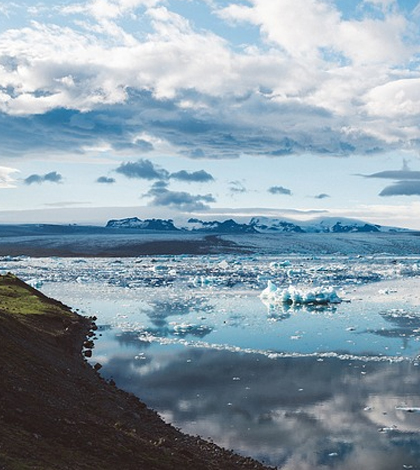
Calving glaciers ramped up tropical wetland methane production during last ice age
North American glaciers breaking off into the ocean during the last ice age led to a significant increase in methane emissions from tropical wetlands, according to Oregon State University. Using an ice core from the West Antarctic...
- Posted June 10, 2015
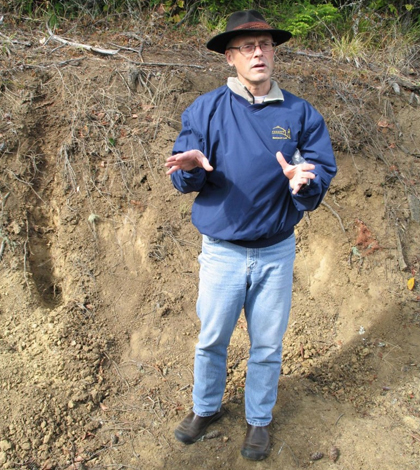
Plants can undermine soil’s capacity as long-term carbon storehouse
Soil can’t always store carbon for thousands of years as was previously thought, according to a recent Oregon State University press release. Plants can cause soil to release stored up carbon back into the atmosphere, researchers have...
- Posted April 10, 2015
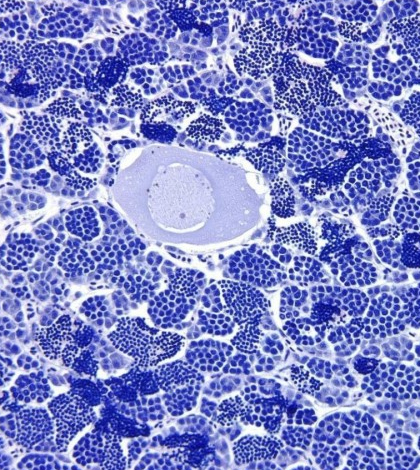
Deep water fish don’t escape pollution impacts
Deep water fish from 2,000 feet to a mile beneath the ocean’s surface are experiencing the effects of pollution, according to a recent press release from Oregon State University. Although scientists originally believed the impact of pollution...
- Posted April 1, 2015
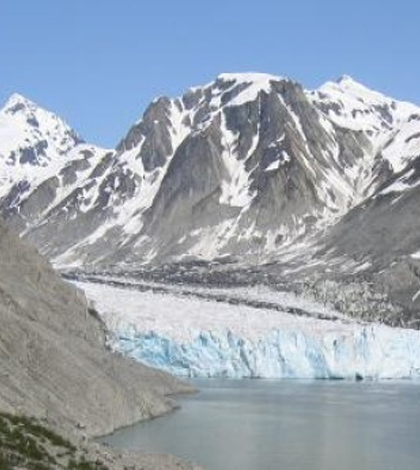
Glacial runoff into Gulf of Alaska equivalent to world’s sixth largest river
Oregon State University scientists have been studying the glacier melt trickling in thousands of small streams off the coast into the Gulf of Alaska, and their data suggests that the melt may be far more important than...
- Posted March 30, 2015