

Posts for tag "Great Lakes"
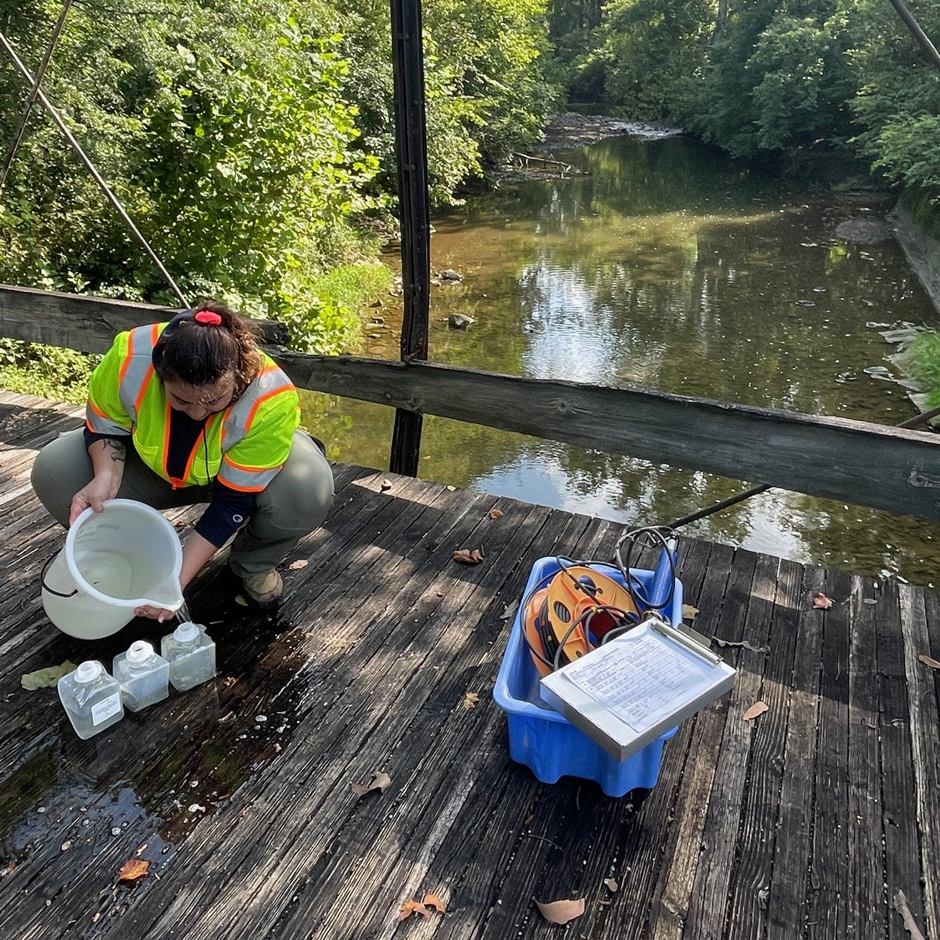
How the Ohio EPA Uses Water Quality Data to Monitor Change in State Waterways
Millions of Ohioans are reliant on freshwater resources for drinking water and recreation. Therefore, protecting the health of these water bodies is a leading concern for regulatory groups like the Ohio Environmental Protection Agency (EPA). A key...
- Posted December 29, 2025
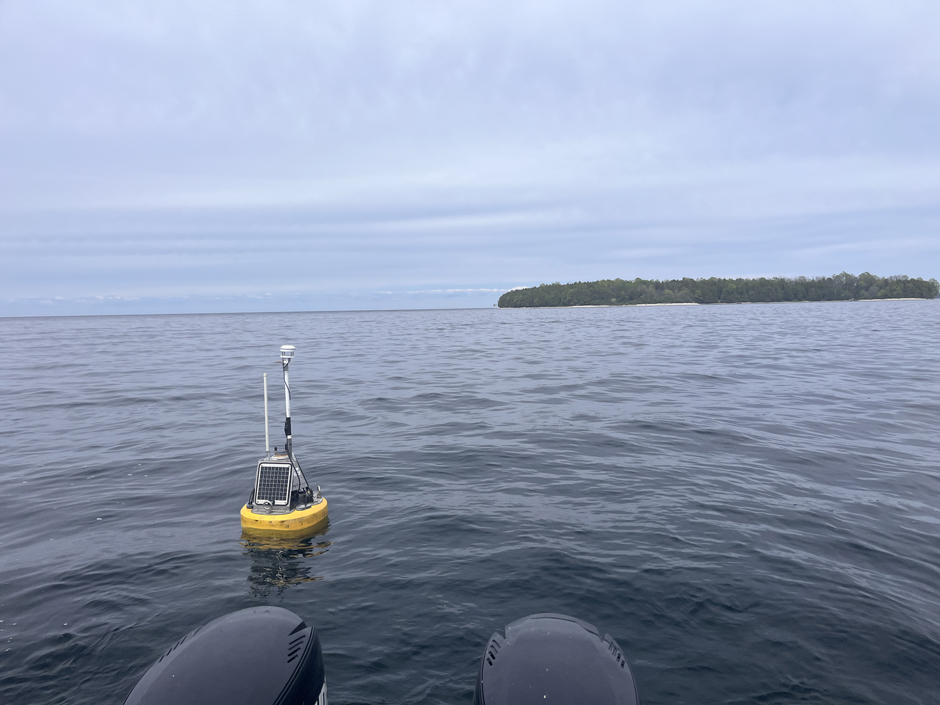

Measuring Harmful Algal Bloom Toxins Using Real-Time Data Buoys in the Great Lakes
While harmful algal blooms (HABs) are a significant issue in the Great Lakes that have been monitored using real-time data buoys, there is still no automated method for measuring the toxins produced by these blooms. Todd Miller,...
- Posted September 1, 2025
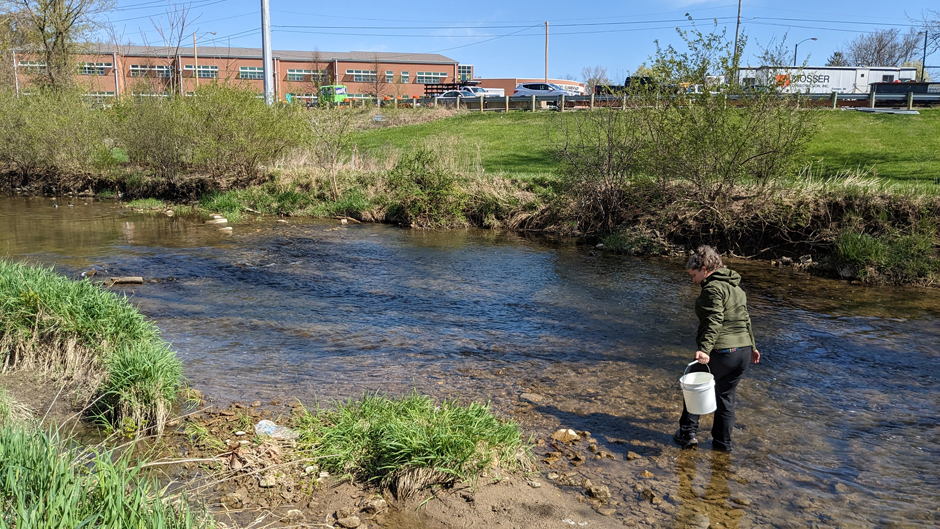

Partners for Clean Streams: Monitoring Water Quality in Northwest Ohio and Fostering Community Engagement
Growing up around a highly frequented yet often-polluted state lake in his hometown, Jesse Stock learned early on that the protection of freshwater resources and stewardship of the natural world build stronger, more connected communities united by...
- Posted July 16, 2025
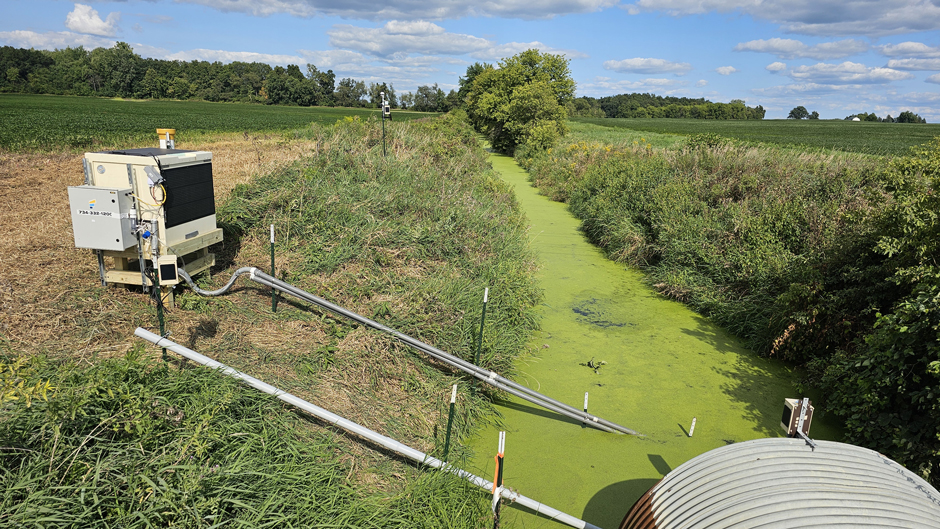
Pushing Lake Science Upstream: Agriculture and Algal Blooms at Lake Erie
Lake Erie is the shallowest, most productive, and most southern of the Laurentian Great Lakes. Each summer, it suffers an algal bloom so large it can be seen from space. Since the 1960s, excess phosphorus—about 85% from...
- Posted July 14, 2025
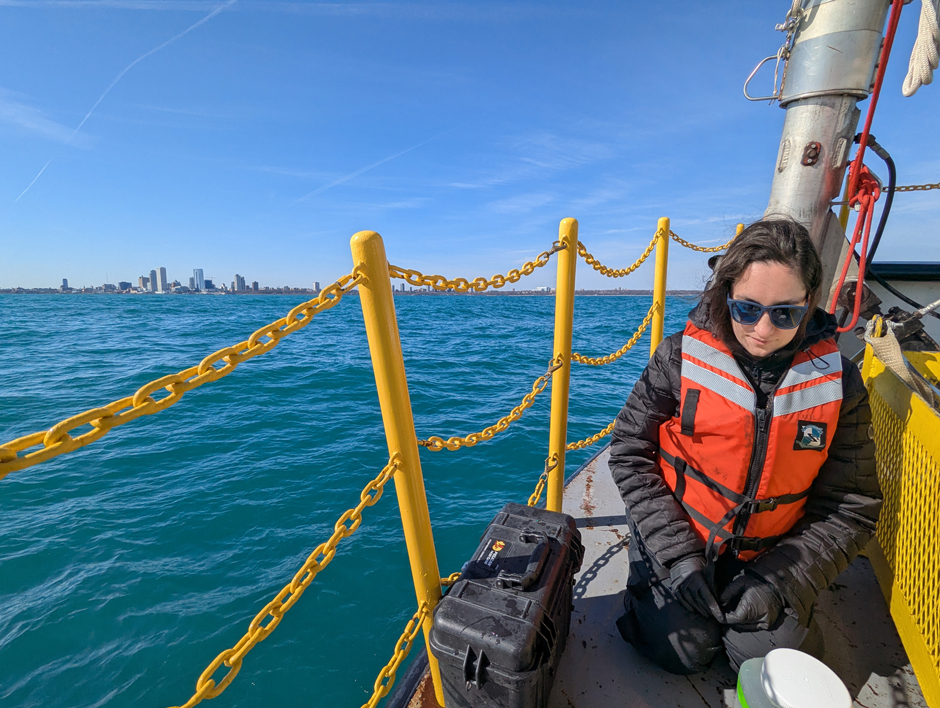

Carbon and Nutrient Monitoring in the Great Lakes Using Satellite Observations
Carbon and nutrients are the foundation of lake food webs and play an important role in the chemical and physical processes that shape aquatic ecosystems and various lake dynamics. Studying these cornerstones can help improve understanding of...
- Posted June 11, 2025
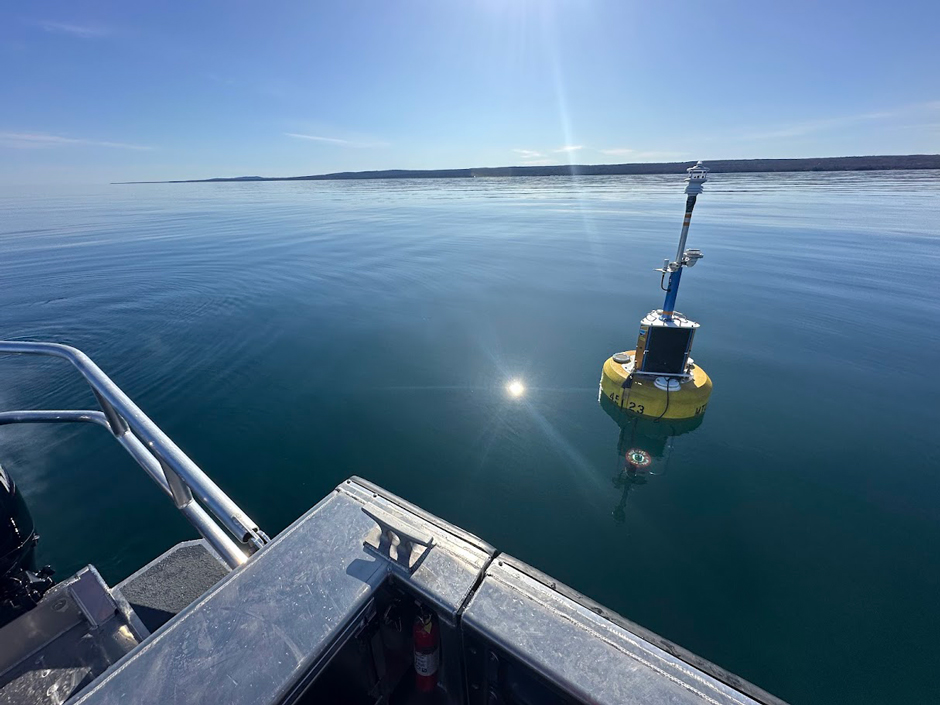
Great Lakes Research Center: Designing Targeted Monitoring Solutions
According to the National Oceanic and Atmospheric Administration (NOAA), the Great Lakes have more miles of coastline than the contiguous Atlantic and Pacific coasts combined and contain 20 percent of the world’s freshwater, making it a critical...
- Posted March 17, 2025
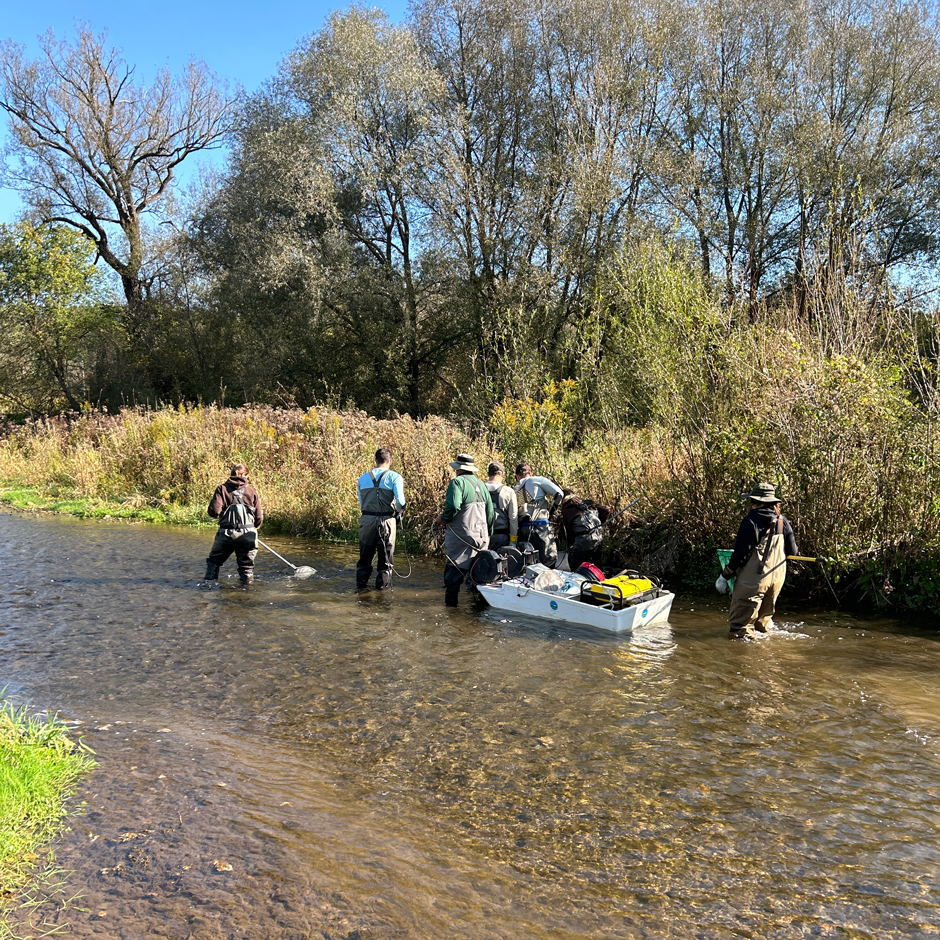

Monitoring and Facilitating Habitat Restoration Efforts in the Great Lakes
While human infrastructure, urbanization, and industrialization have advanced human societies, the natural environment has suffered due to constructed impediments and deteriorating architecture. In order to combat this degradation, habitat restoration programs across the US work to remove...
- Posted January 27, 2025


Predicting and Monitoring Ice Weather Events: The Great Lakes Approach to Ice Research
Ice cover on the Great Lakes provides numerous recreational and economic opportunities, including ice fishing, snowmobile charters, and ice caves on the lakes. Unfortunately, declining ice cover and increasing related weather events due to climate change, as...
- Posted August 19, 2024
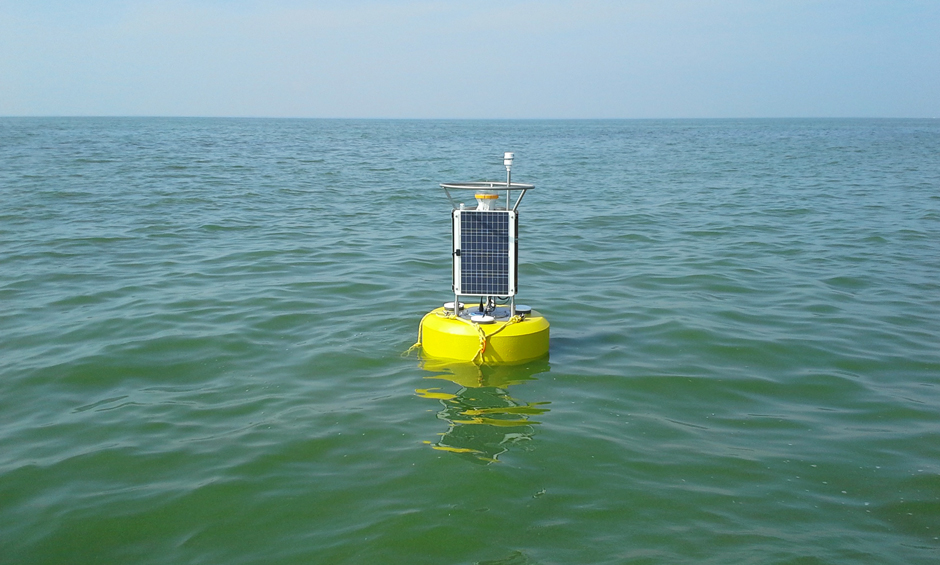

Treating Harmful Algal Blooms: A Natural Progression
Researchers continue to perfect approaches to forecasting, assessing the impact, and preventing Harmful Algal Blooms (HAB).
- Posted September 19, 2022
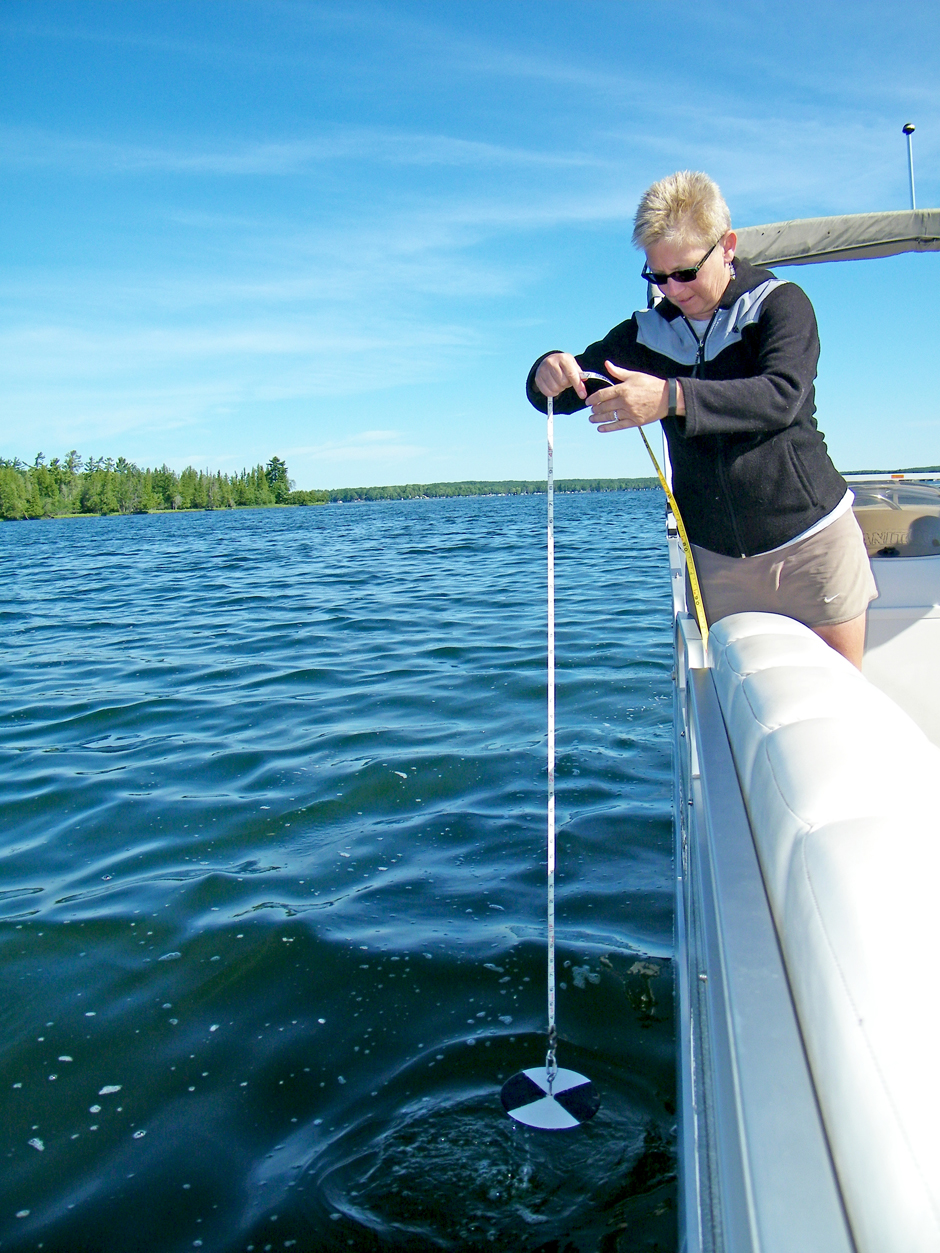

Engaging People, Engaging Lakes: How The Public Can Help Aquatic Systems
Lake appreciation and engagement of the public is critical in establishing and maintaining healthy lakes, streams, and other aquatic systems.
- Posted November 17, 2021
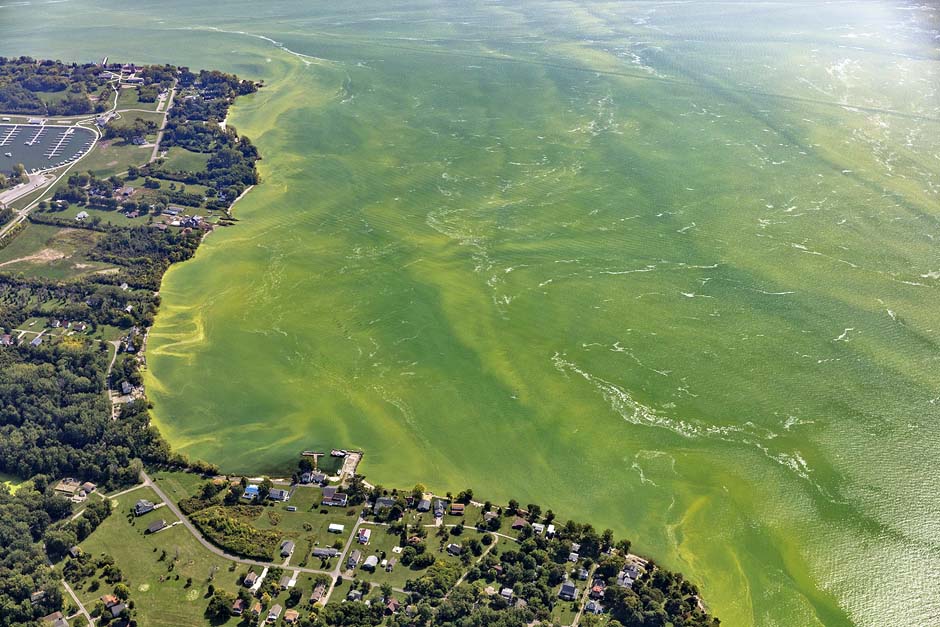

New Tech Aims to Make Algal Bloom Monitoring Faster and More Dynamic
Technology on the horizon will allow researchers to track harmful algal blooms and measure their toxicity in real time.
- Posted July 7, 2021
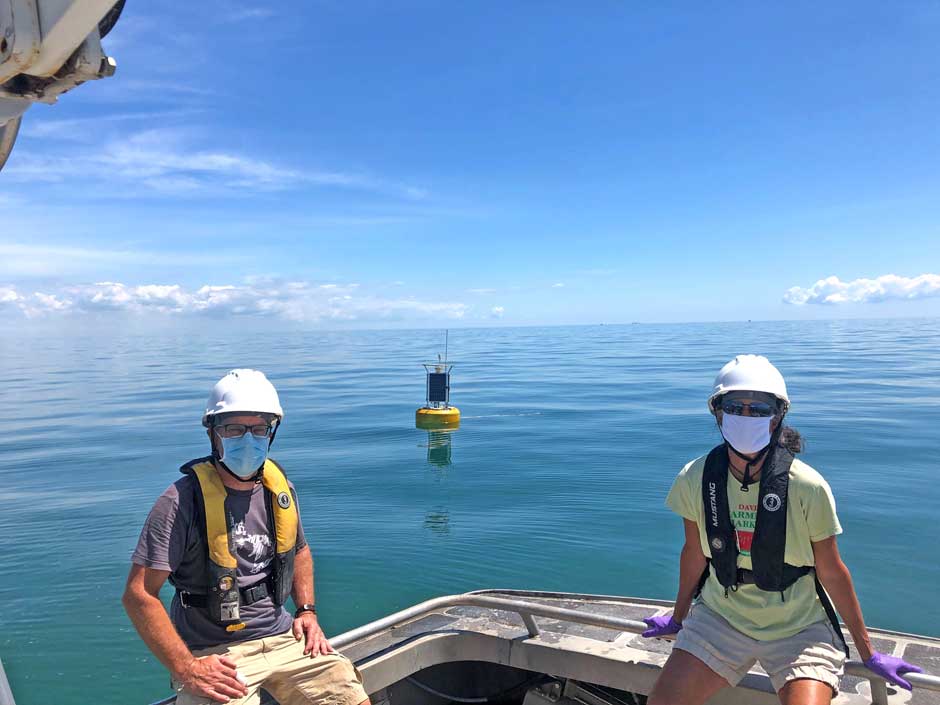
Buoys in the time of Covid: Delays to important information
Although buoys collect and relay data largely on their own, they require a team to deploy. Covid slowed them down.
- Posted February 9, 2021
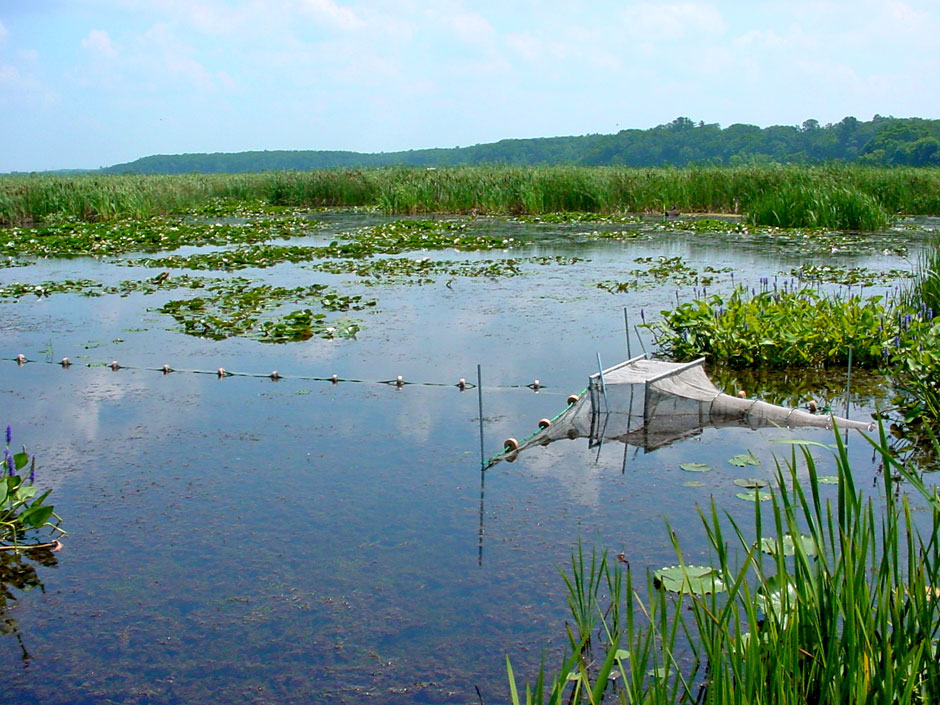
After 10 Years, Great Lakes Monitoring Program Still Adapting
Great Lakes Coastal Wetland Monitoring Program has provided data on a dynamic ecosystem for 10 years. Now it’s adapting to new challenges.
- Posted August 26, 2020
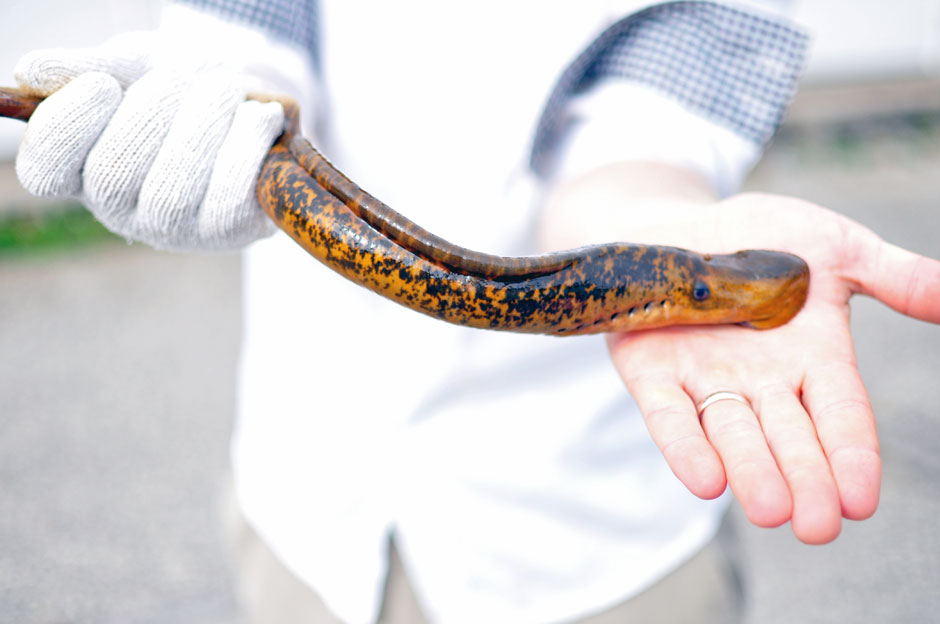

Is eradicating Great Lakes sea lamprey an “impossible dream?” Researchers say no
Sea lamprey control in the Great Lakes has been a success. Is eradication possible?
- Posted August 4, 2020
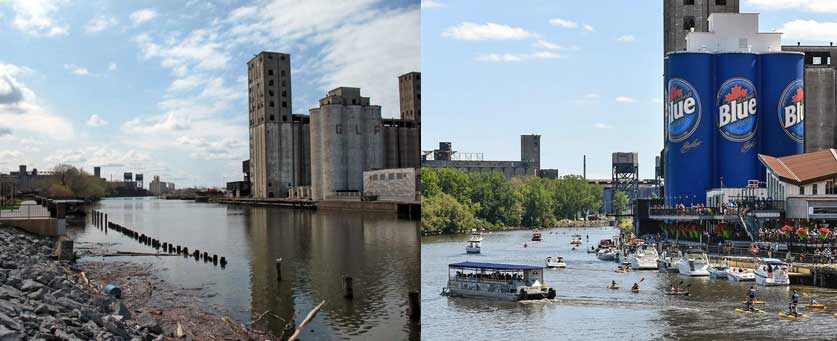

Lessons Learned from 35 Years of AOC Restoration
For thirty five years, Great Lakes communities have been restoring polluted areas, learning and reaping the economic benefits.
- Posted June 24, 2020
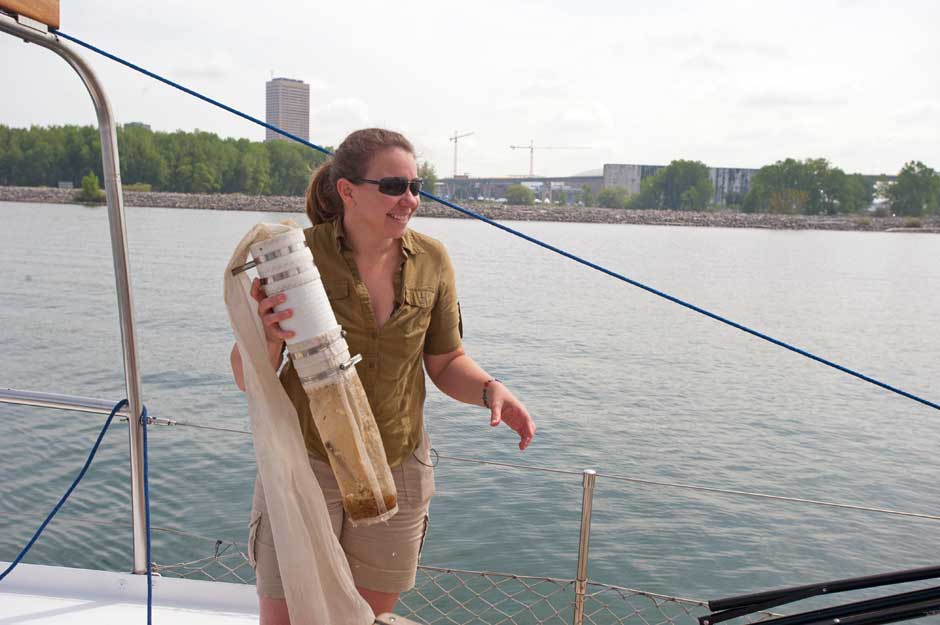
Plenty of plastic in the Great Lakes
The first ever measure of plastic pollution in Lake Ontario shows the whole Great Lakes system has a plastic problem.
- Posted April 8, 2020
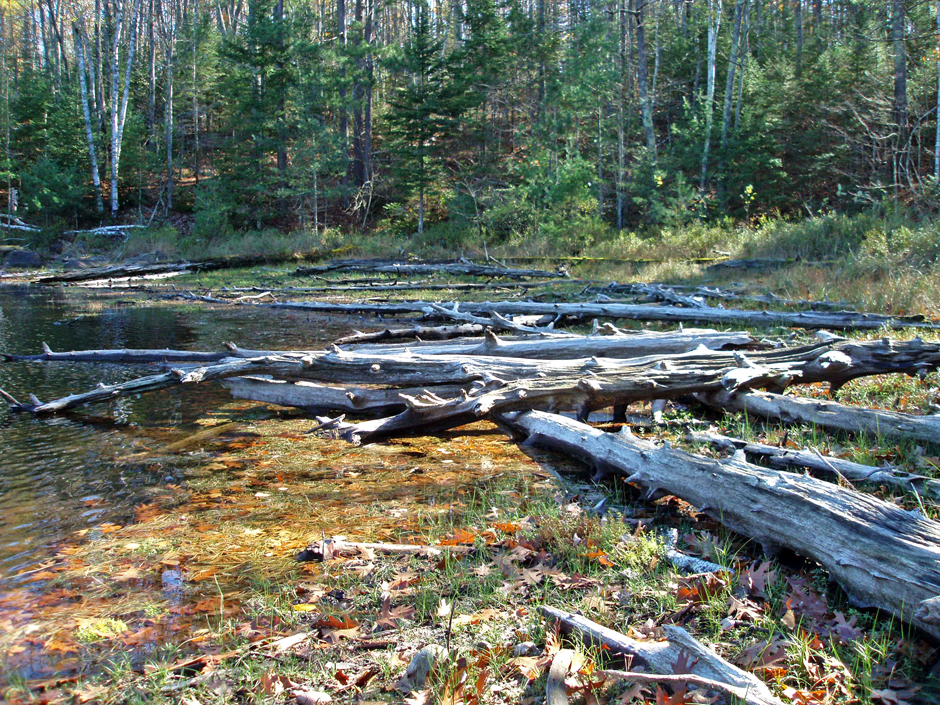
Mercury and Lake Levels Rise and Fall Together around Great Lakes
Long term monitoring of lake levels and mercury levels in walleye and loons shows relationship between water and mercury levels.
- Posted March 4, 2020
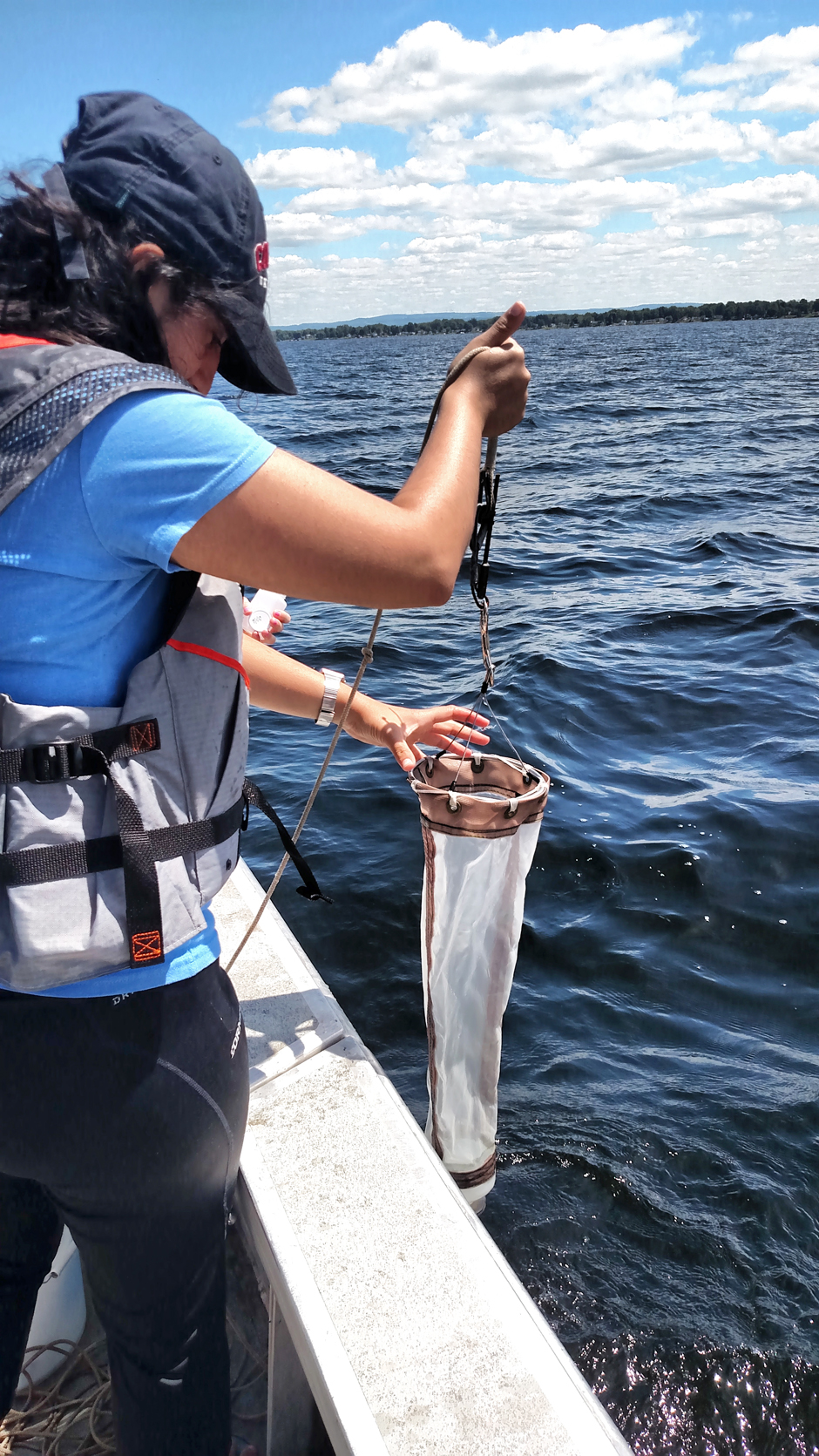

Cornell University Biological Field Station at Shackelton Point: Monitoring New York’s Largest Interior Lake for Sixty Years
Shackelton Point data includes records on various lake aspects that go back 50 years or more, making lake trends emerge more clearly to researchers.
- Posted August 14, 2019
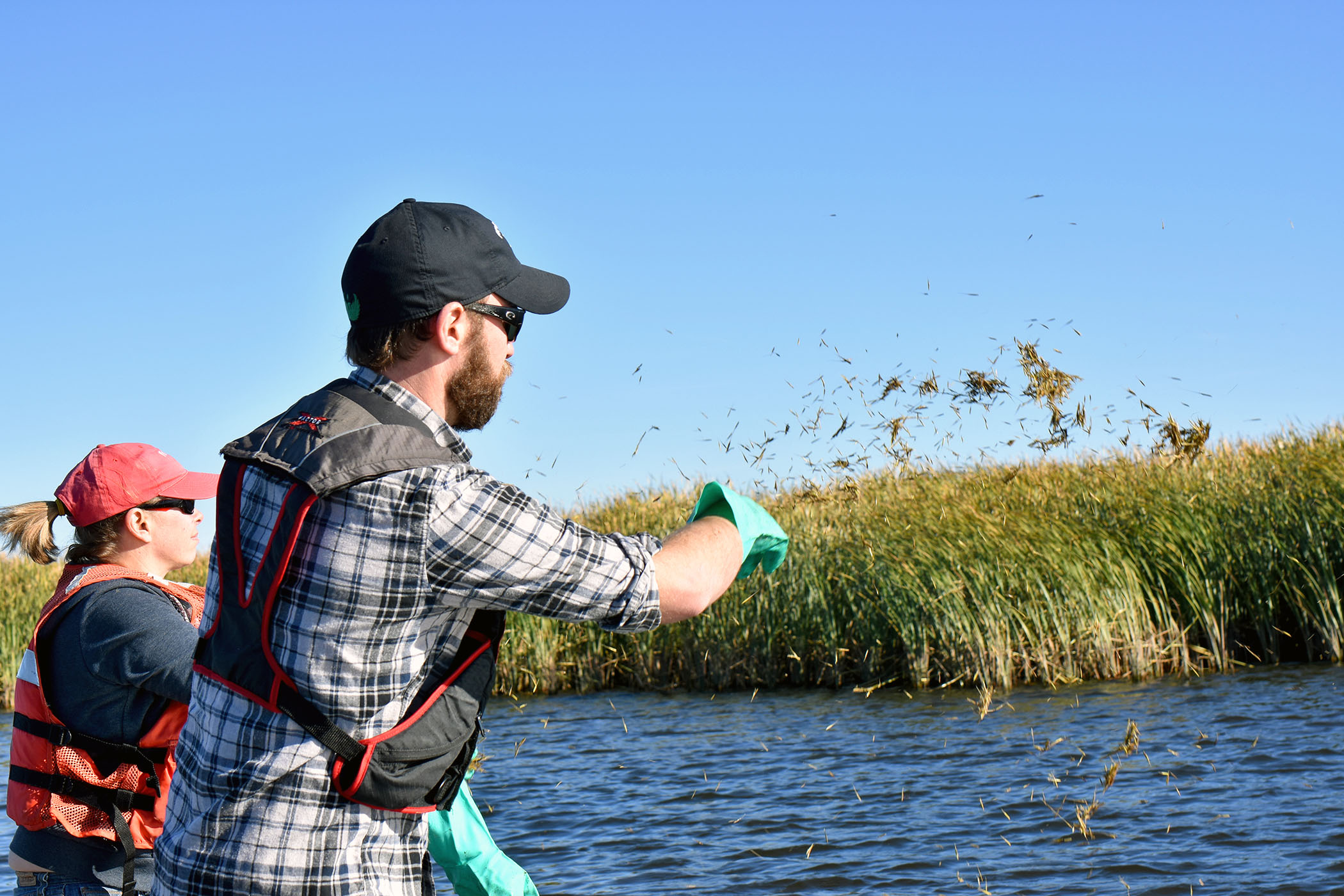

Great Lakes Region Gets Big Conservation Boost From Ducks Unlimited
Protecting, enhancing and restoring wetlands in the Great Lakes area, Ducks Unlimited has worked tirelessly to save thousands of vulnerable acres.
- Posted March 1, 2019
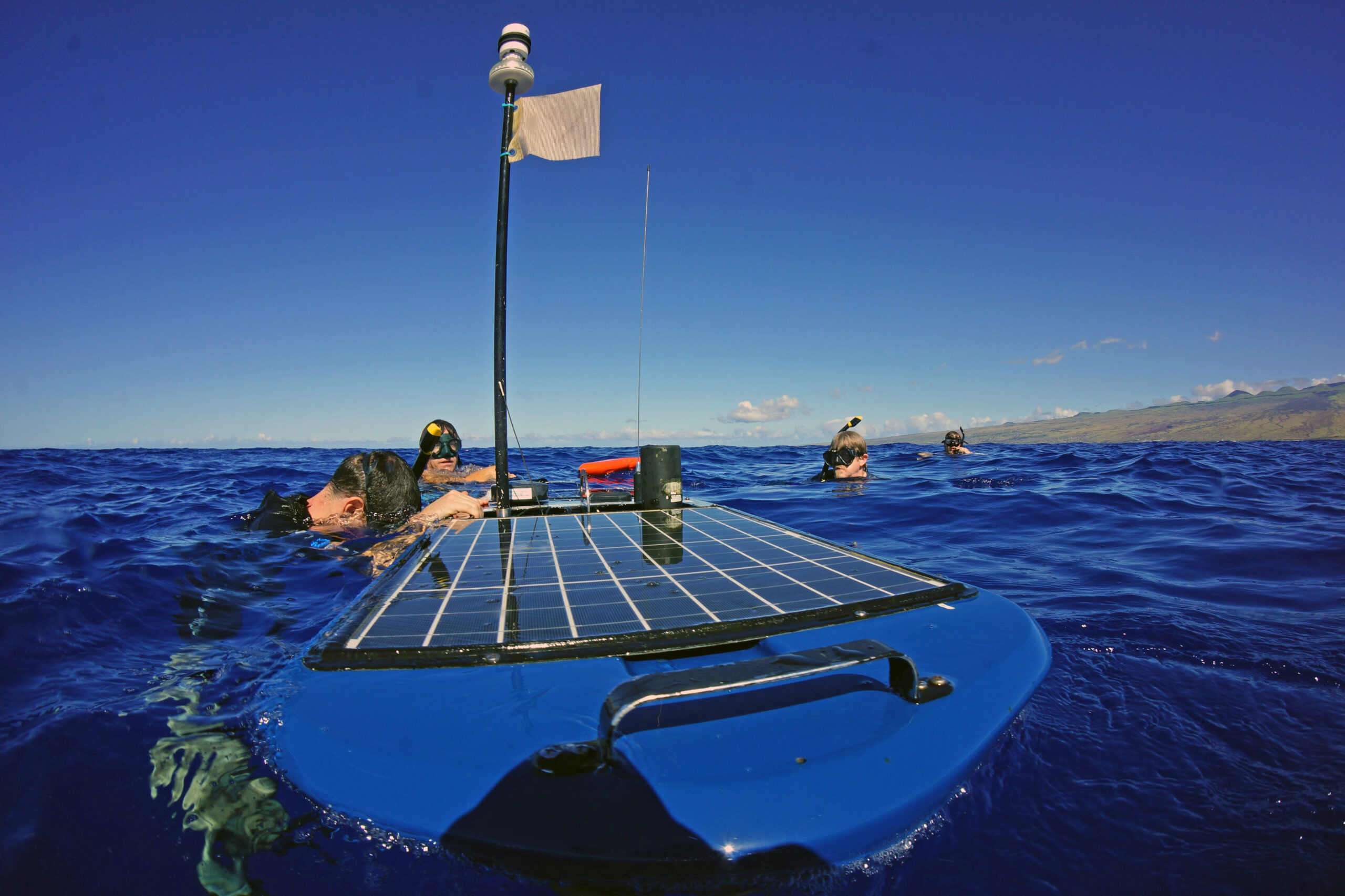

Central Lake Superior: Arctic Testbed and Autonomous Proving Ground
The new Marine Autonomy Research Site at the Great Lakes Research Center offers an Arctic Testbed close to home for trialing new tech.
- Posted November 19, 2018