

Posts for tag "NOAA"
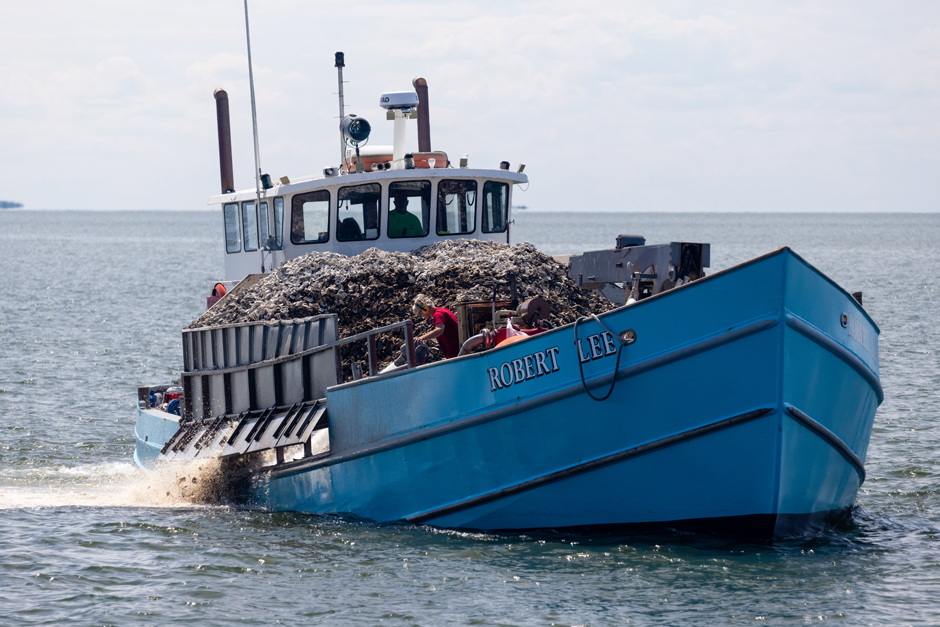
Chesapeake Bay Sees Largest Oyster Reef Restoration in the World Completed
The largest oyster reef restoration in the world was recently completed in the United States’ largest estuary: the Chesapeake Bay. The project is the result of a 10-year, over $100 million commitment from local, state, and federal...
- Posted December 24, 2025
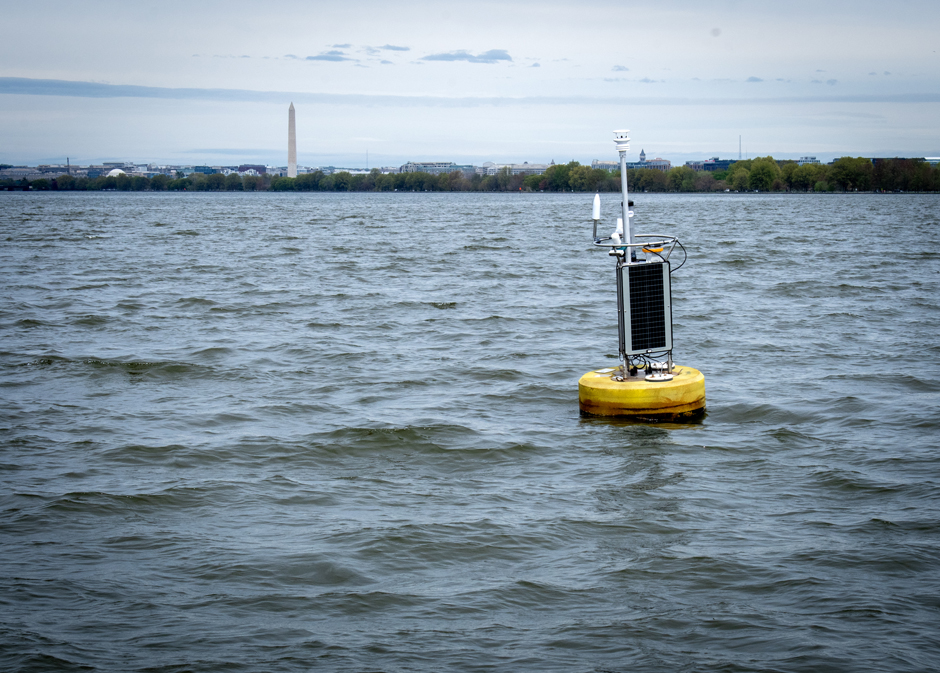

How NOAA’s CURBY Aided Recovery Efforts After the 2025 DCA Plane Crash
On the evening of January 29, 2025, a military helicopter and an American Airlines flight collided midair over the Potomac River on the final approach into Ronald Reagan Washington National Airport (DCA) in Virginia, five miles from...
- Posted August 27, 2025
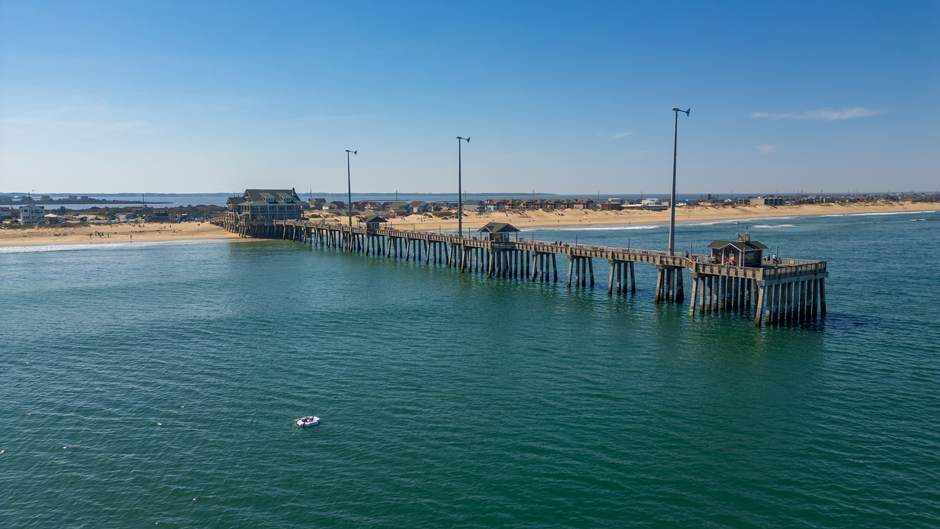

Science for Science’s Sake: Monitoring Ocean Energy Availability and Gulf Stream Dynamics
Scientific research often begins with a question, sometimes driven by a specific goal or application, but many scientists believe in science for science’s sake. Marine environments and physical dynamics like the Gulf Stream are popular fields of...
- Posted June 4, 2025
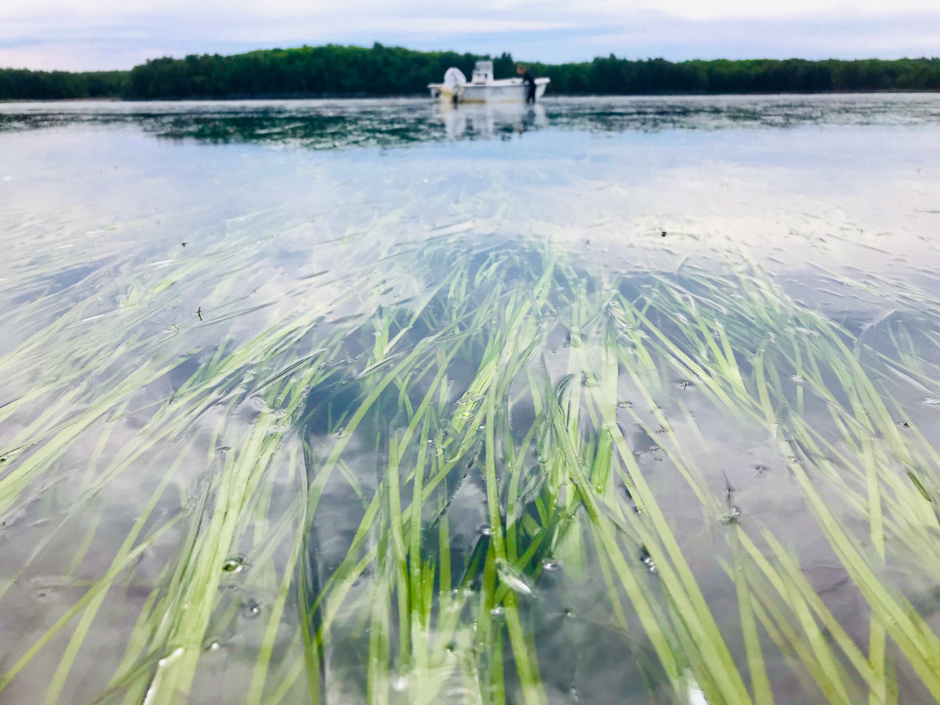

Research in the Reserve: Promoting Interdisciplinary Conservation at the Great Bay National Estuarine Research Reserve
On an early winter day in 1973, a helicopter buzzed over Durham, New Hampshire, just a few miles from the Atlantic Ocean. One of the helicopter’s guests, oil magnate Aristotle Onassis, owner of Olympic Refining, looked east...
- Posted June 2, 2025
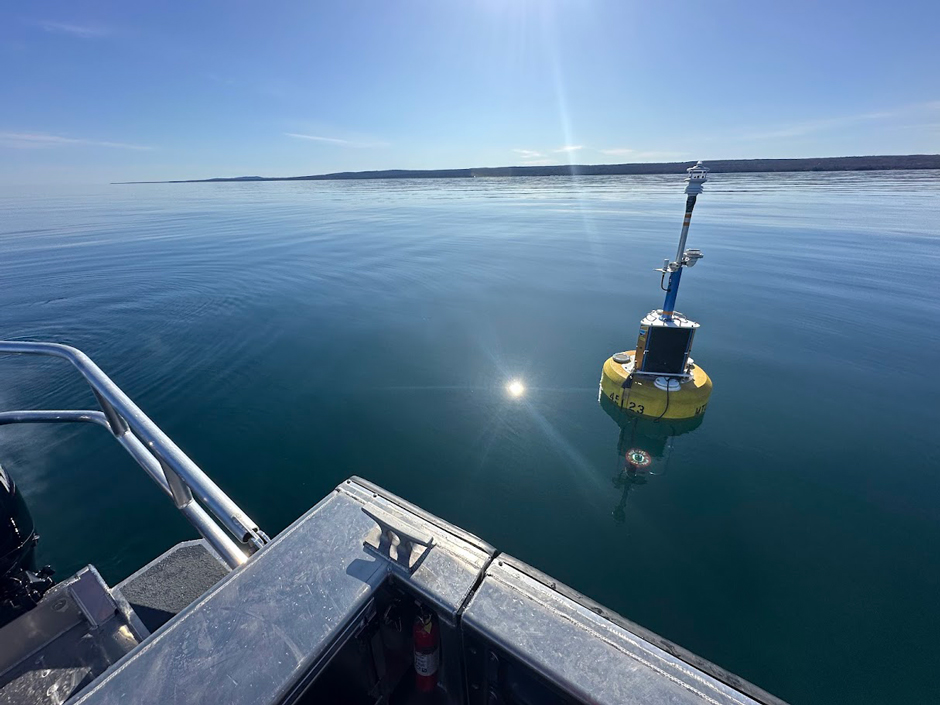
Great Lakes Research Center: Designing Targeted Monitoring Solutions
According to the National Oceanic and Atmospheric Administration (NOAA), the Great Lakes have more miles of coastline than the contiguous Atlantic and Pacific coasts combined and contain 20 percent of the world’s freshwater, making it a critical...
- Posted March 17, 2025
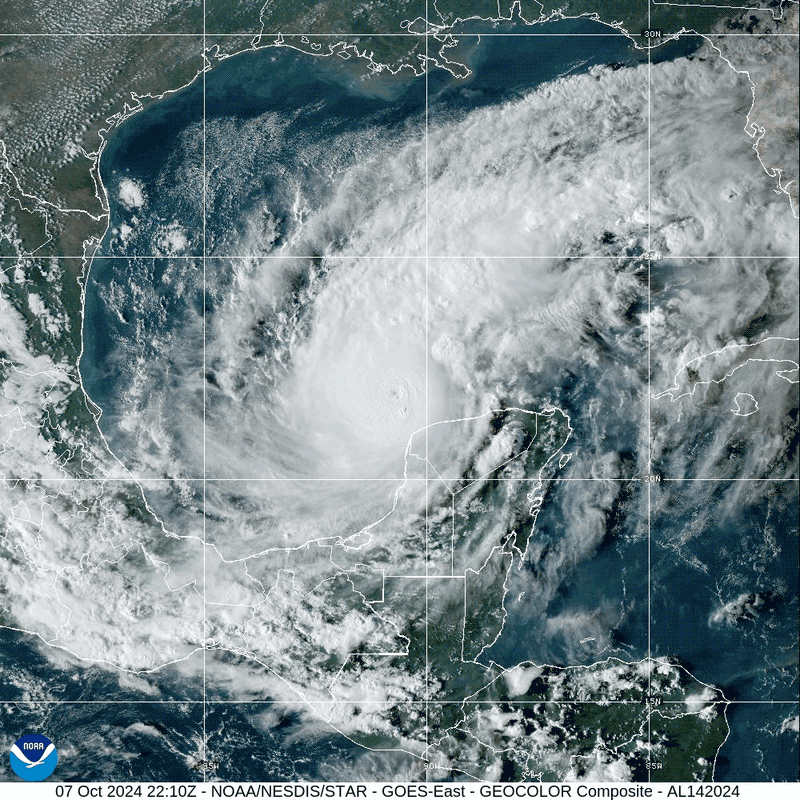

Monitoring Hurricanes and Predicting Flooding in the Age of Climate Change
Still recovering from Hurricane Helene, which caused extreme precipitation, flooding, landslides, and other environmental disasters associated with severe weather, the southeastern part of the U.S. is predicted to be hit by another storm, Hurricane Milton. With Hurricane...
- Posted October 9, 2024
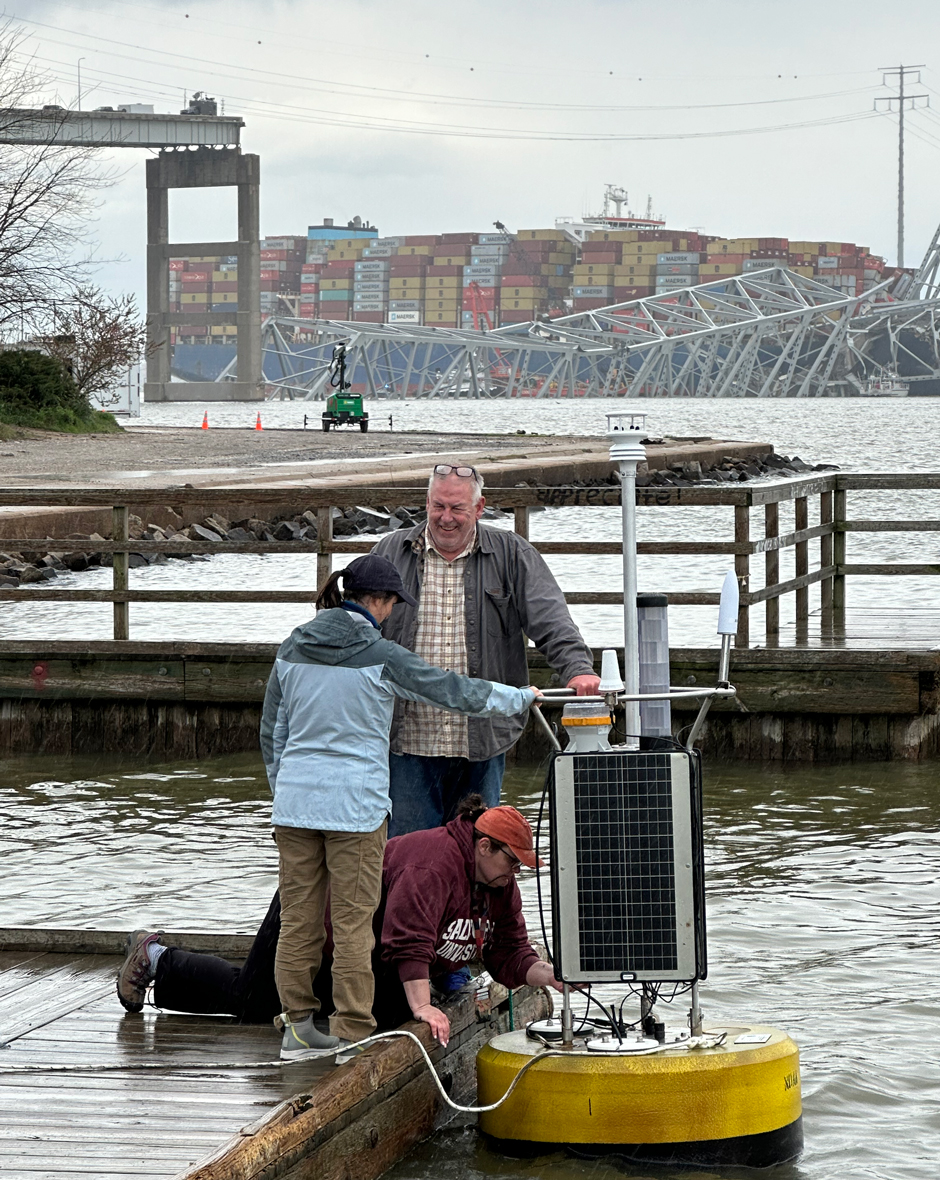

Current Monitoring after the Francis Scott Key Bridge Collapse
On March 26th, according to The Baltimore Sun, a 984-foot, 112,000-ton Dali lost propulsion and collided with a support column of the Francis Scott Key Bridge, collapsing the structure. Soon after the event, search and rescue, salvage...
- Posted June 17, 2024
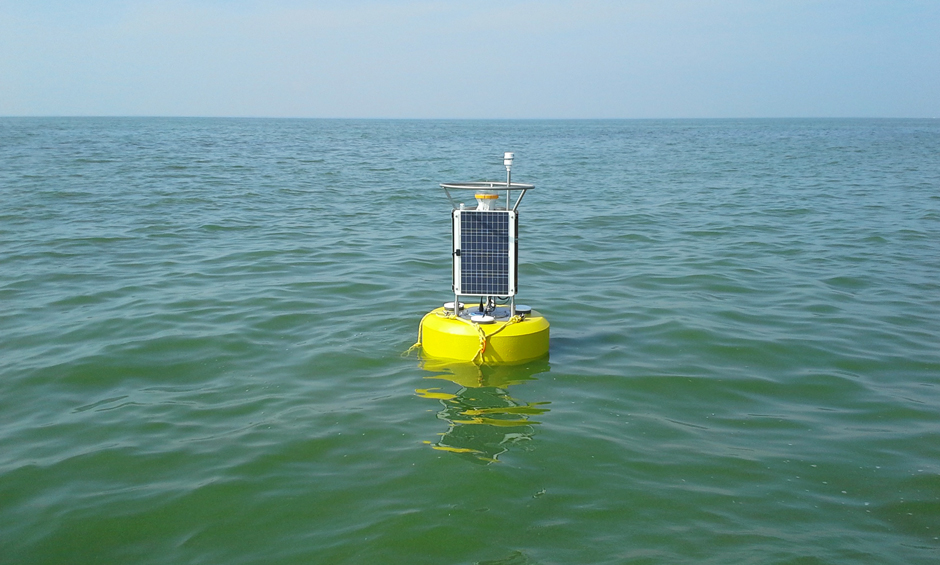

Treating Harmful Algal Blooms: A Natural Progression
Researchers continue to perfect approaches to forecasting, assessing the impact, and preventing Harmful Algal Blooms (HAB).
- Posted September 19, 2022
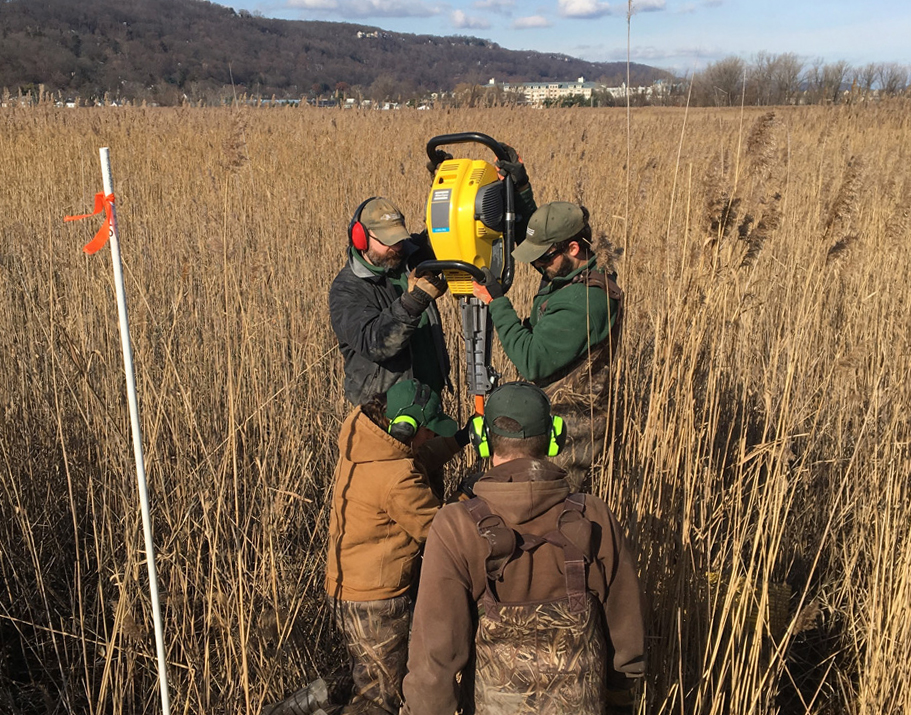

Health, Resilience and Stewardship in the Hudson River: Responding to Climate Emergencies
HRNERR is dedicated to improving the health of the Hudson River through education, training, restoration, monitoring, and research programs.
- Posted August 29, 2022
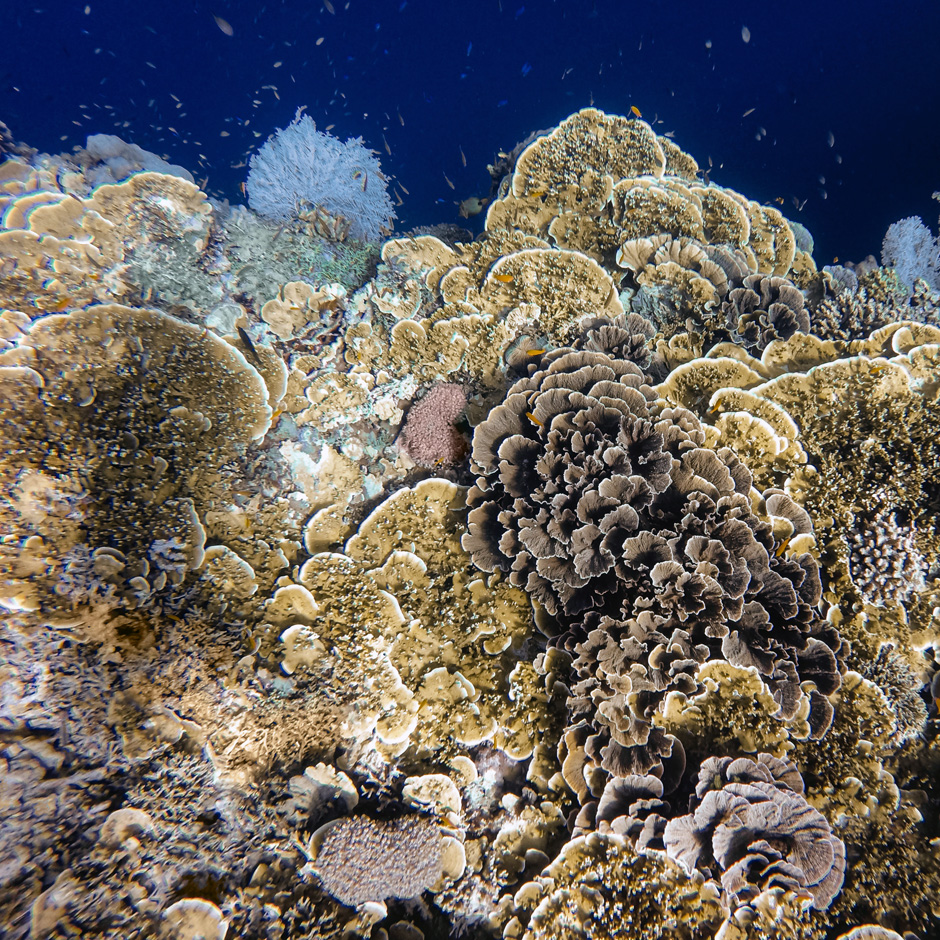

Marine Cold Spells: The Flip Side of Global Warming
While not receiving as much attention as warming trends, marine cold spells can strongly impact marine life too, in complex ways.
- Posted June 7, 2022
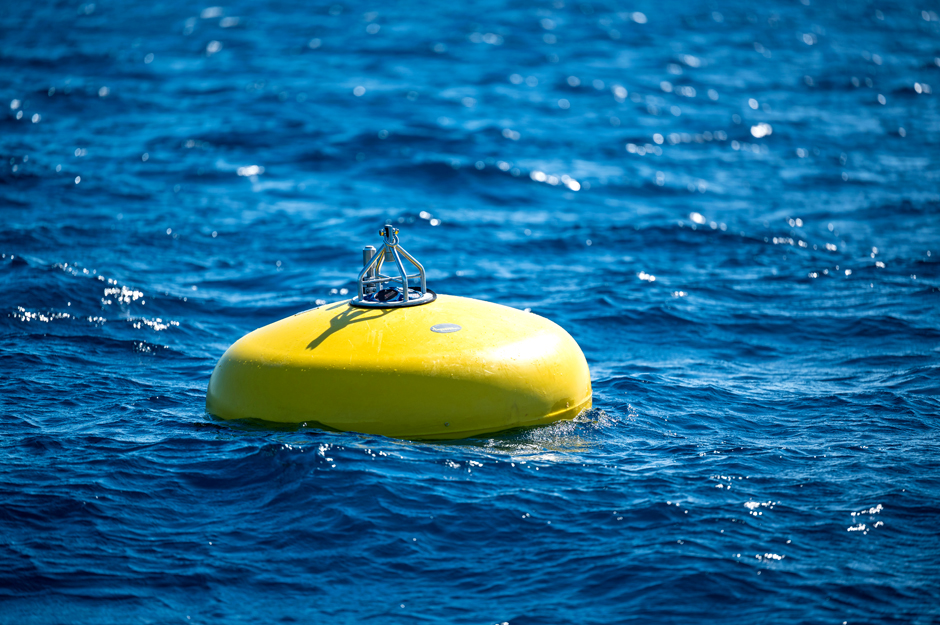

Harnessing the Gulf Stream for Renewable Energy
The Gulf Coast stream could be a source of renewable energy. Recent buoys deployments look in that direction.
- Posted March 18, 2021
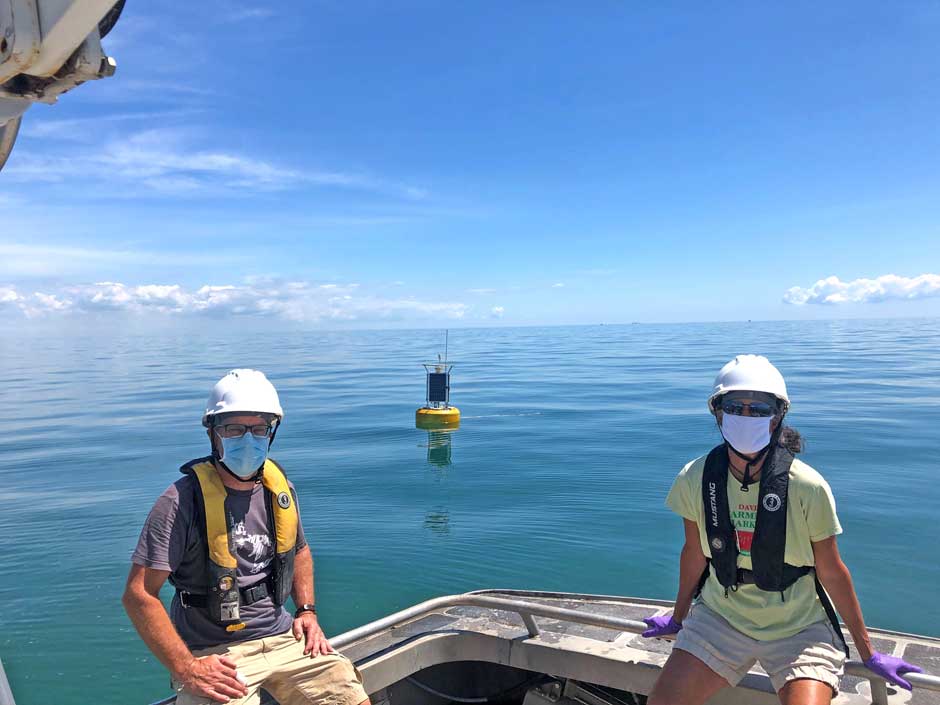
Buoys in the time of Covid: Delays to important information
Although buoys collect and relay data largely on their own, they require a team to deploy. Covid slowed them down.
- Posted February 9, 2021
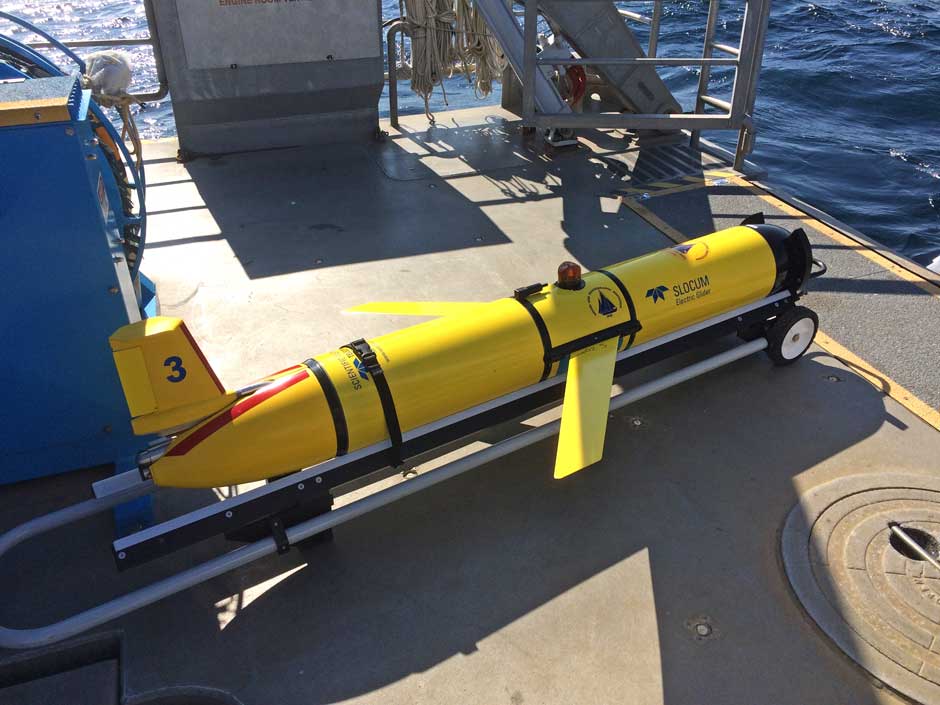
NOAA deploys both static and dynamic audio recorders in search for North Atlantic Right Whales
Ever heard of an “up-call?” If you’re one of the researchers at the Northeast Fisheries Science Center, it’s likely you have. Considered the primary vocalization of North Atlantic right whales, experts characterize the low-sounding thud as a...
- Posted June 17, 2020
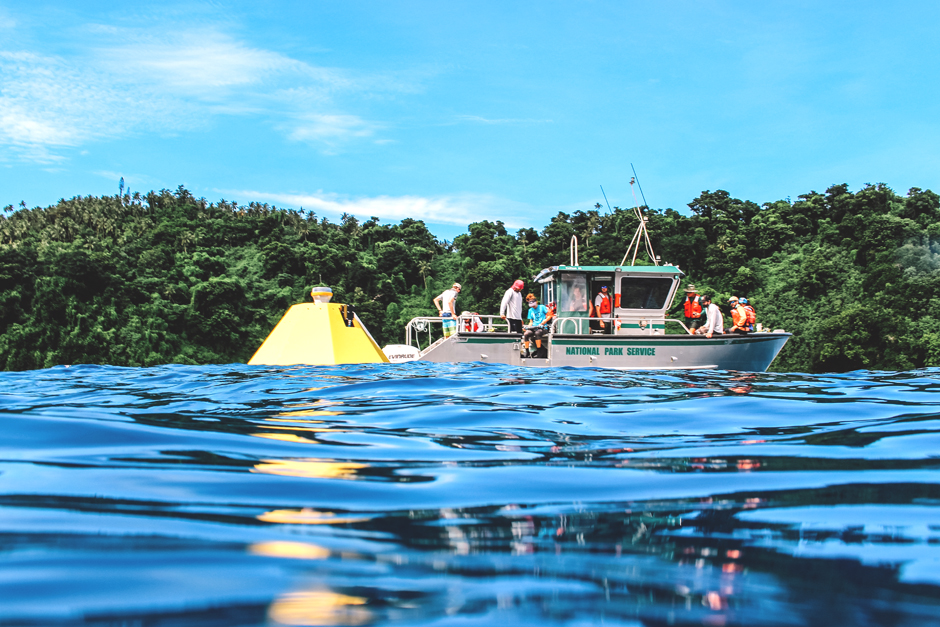

New Monitoring Site for Ocean Acidification in American Samoa
A second ocean acidification monitoring site in Fagatele Bay, American Samoa, was deployed this year by NOAA.
- Posted September 17, 2019
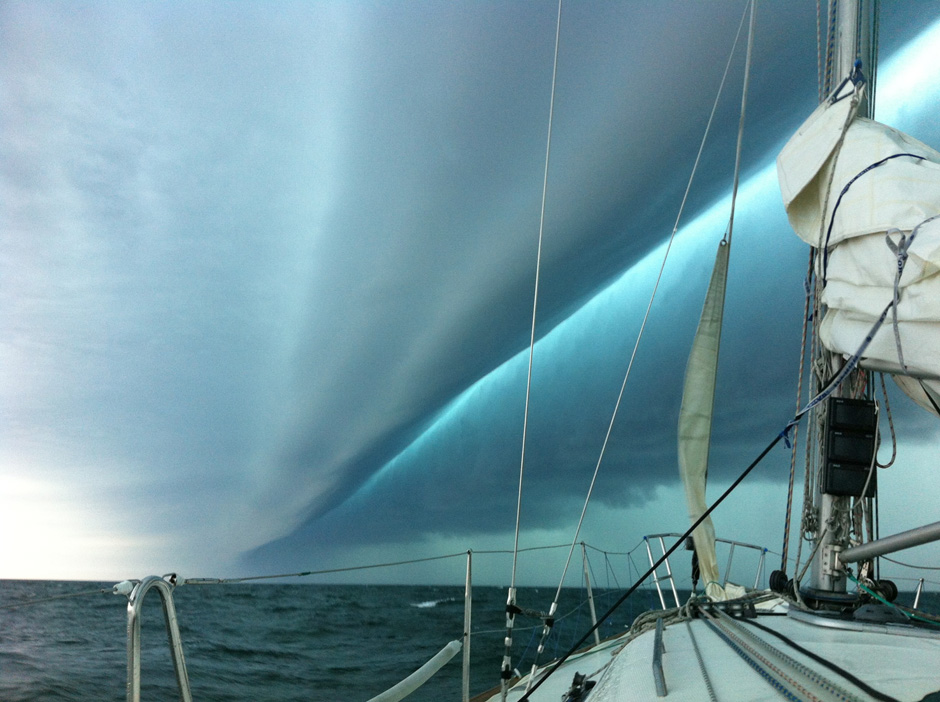

Tide Gauge Data Reveal Multiple US Meteotsunamis Annually
NOAA researchers have used years of tide gauge data to reveal that meteotsunamis arrive on US shores with surprising frequency.
- Posted September 6, 2019
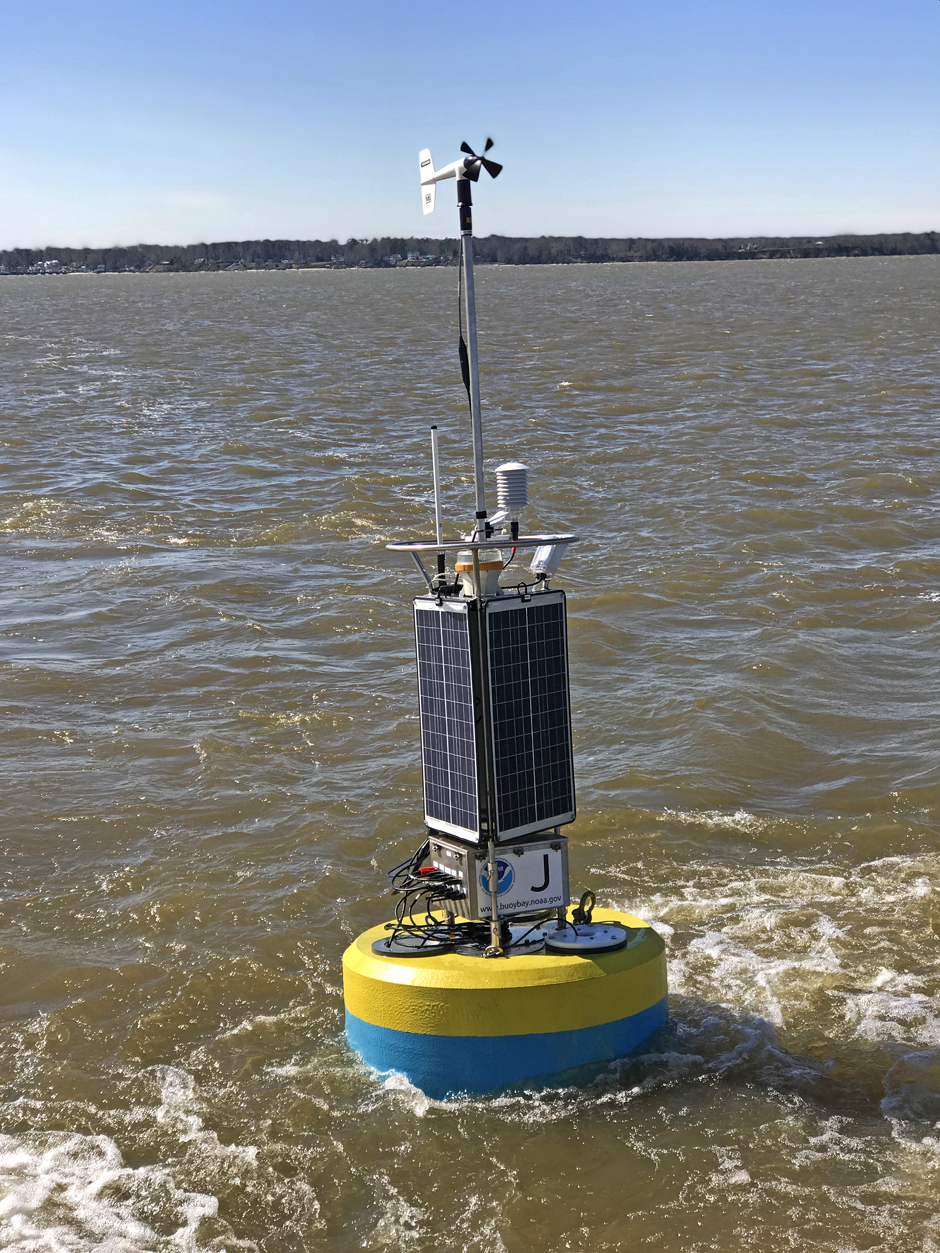

Deploying a New Weather Buoy System With NOAA
A NOAA team that maintains a buoy system in the Chesapeake Bay is phasing in new equipment and describes the process.
- Posted July 1, 2019
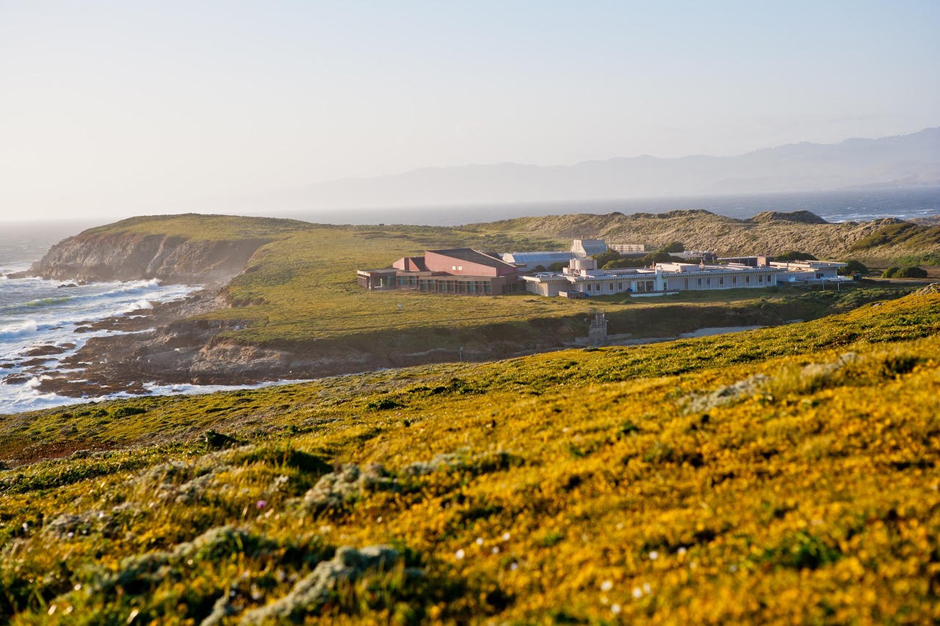

UC Davis Bodega Marine Lab: Performing A Myriad of Environmental Monitoring Programs
Bodega Marine Lab and Reserve environmental monitoring ranges from tracking water quality to keeping an eye on harbor seals.
- Posted June 25, 2019
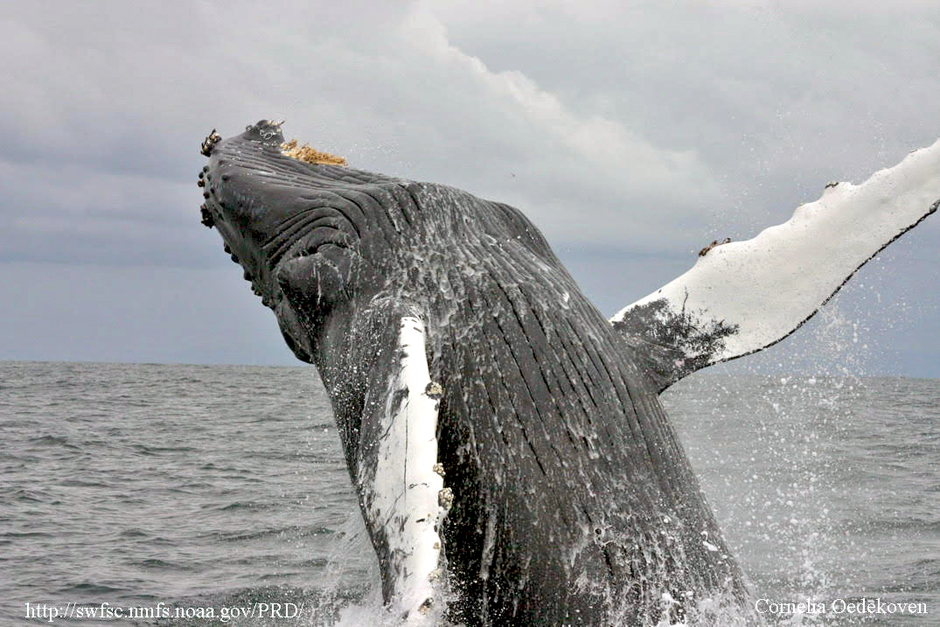
Greater Farallones National Marine Sanctuary’s Timely Monitoring Helps Protect Whales From Injury and Death
California’s Greater Farallones National Marine Sanctuary monitors seabirds and marine mammals, including potentially hazardous interactions between whales and ships.
- Posted May 31, 2019

Learning With the Student Drifter Program
NOAA’s Student Drifter Program teaches kids about science and helps generate high-quality data about Earth’s oceans.
- Posted May 20, 2019
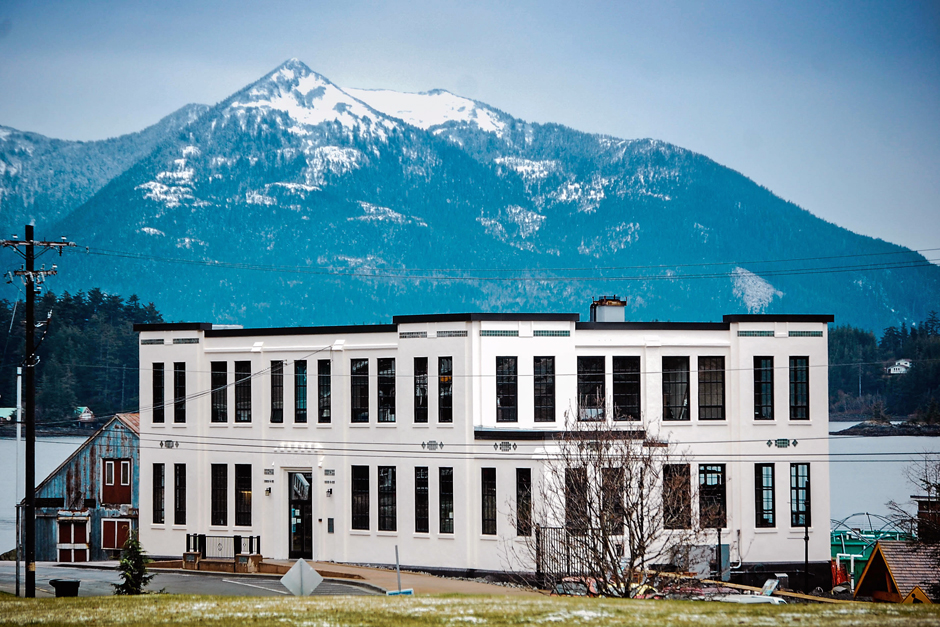
From Abalone to Zooplankton: Sitka Sound Science Center Works to Monitor Health of Alaska’s Marine Life
Monitoring marine species both great and small, Alaska’s Sitka Sound Science Center keeps track of the health of fish, kelp, copepods and more.
- Posted April 29, 2019