

Posts for tag "Duke University"
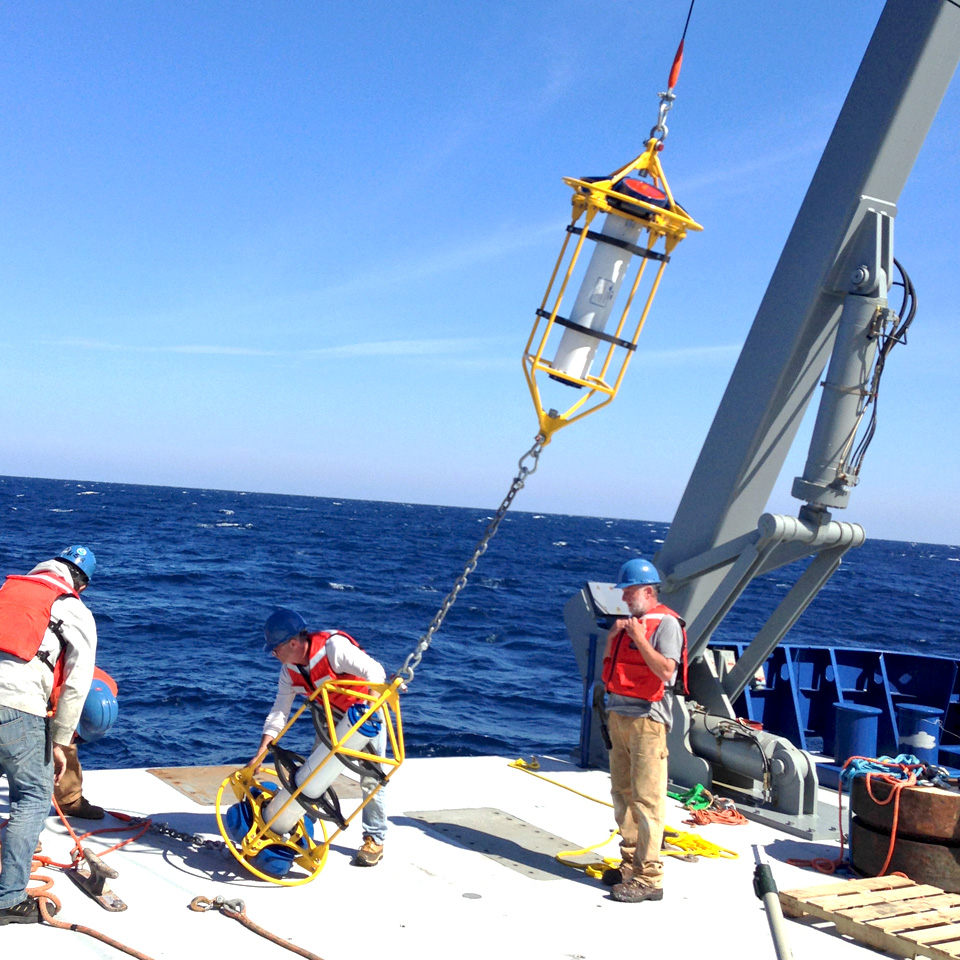
Breaking Down the Research Magic Being Captured by Duke’s WIzARD
Researchers at Duke University have deployed a 500-foot mooring line capable of collecting an array of biological and environmental data in the ocean.
- Posted July 1, 2020
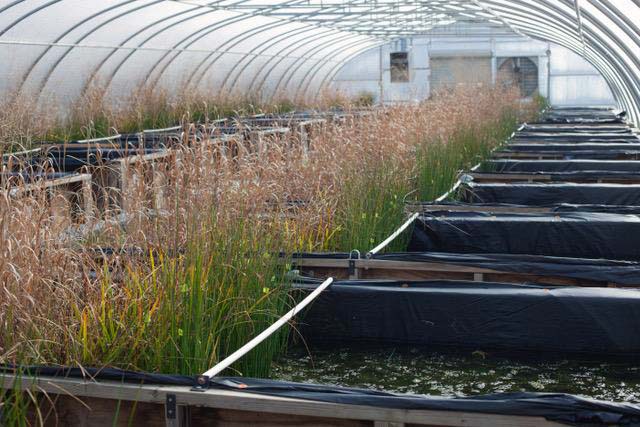

Nanomaterials Plus Nutrient Pollution Means More Algal Blooms
Recent research tests the effects of multiple contaminants—two kinds of nanomaterials and nutrient pollution—on the eutrophication process in water.
- Posted October 1, 2018
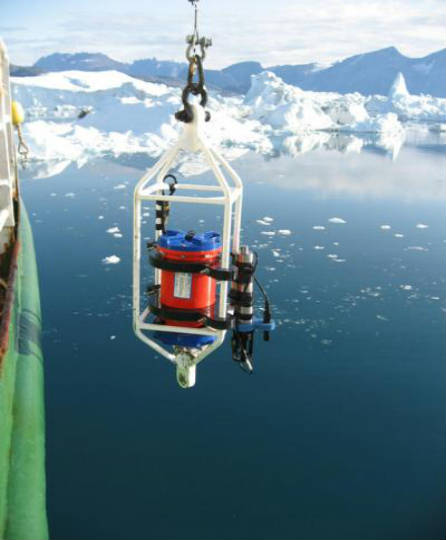

Sensor Array Stretching Across the North Atlantic Reveals Drivers of Global Currents
Scientists have begun to present data gleaned from an array of sensors stretching across the North Atlantic, measuring what drives overturning and currents.
- Posted March 22, 2018

Study: Hexavalent Chromium Produced Naturally By Leaching
Duke University scientists sampling groundwater wells in North Carolina’s Piedmont region find hexavalent chromium can be produced naturally.
- Posted November 15, 2016

Few Coral Reef Ecosystems Likely To Escape Rising Seas, Temperatures
A study led in part by researchers at Duke University maps potential losses to coral reef ecosystems with predicted sea level and temperature rises.
- Posted November 14, 2016
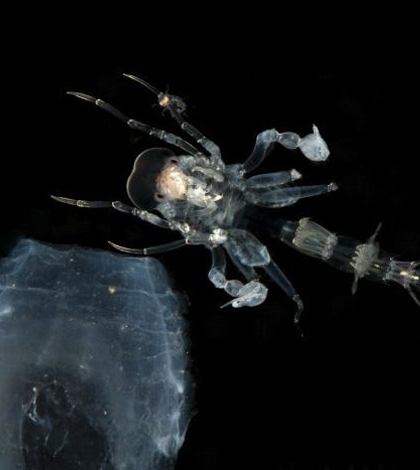
How Midwater Crustaceans Vanish From Predators
Duke University and Smithsonian Institution scientists find that midwater crustaceans have anti-reflective coatings to protect them from predators.
- Posted November 2, 2016
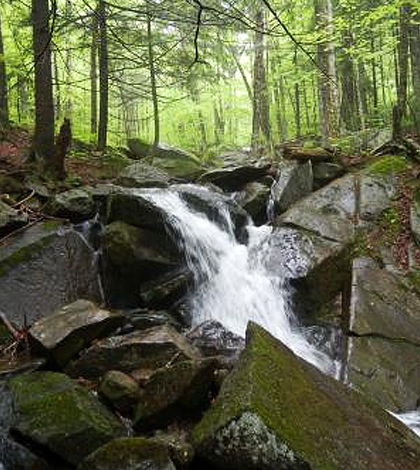
Soil Acidity Mitigation Study Takes Surprise Turn
An effort to mitigate soil acidity in Hubbard Brook Experimental Forest took a surprise turn when, 10 years later, nitrogen levels surged in nearby streams.
- Posted July 18, 2016
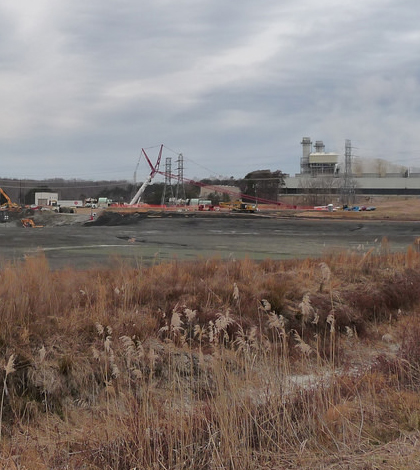
Unlined Coal Ash Ponds Leak Toxic Matter
A study that sampled unlined coal ash ponds in the Southeastern U.S. finds toxic materials easily leak into surface waters and nearby groundwater.
- Posted June 27, 2016

Model Shows Upsides To Hurricanes: More Carbon Uptake
A Duke University model developed over 20 years shows upsides to hurricanes -- they can help prevent drought and increase carbon uptake in trees.
- Posted May 18, 2016
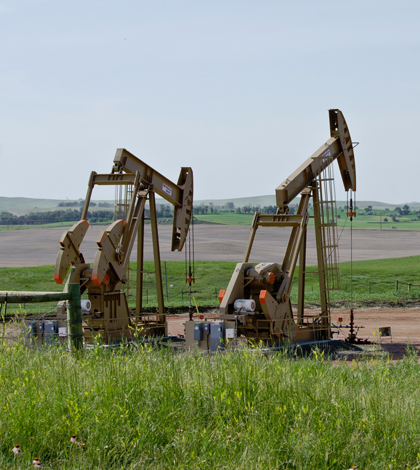
Soil, Water Contamination In North Dakota From Fracking Spills
Duke University scientists find water and soil contamination caused by wastewater spills from hydraulic fracturing in the Bakken region of North Dakota.
- Posted May 12, 2016
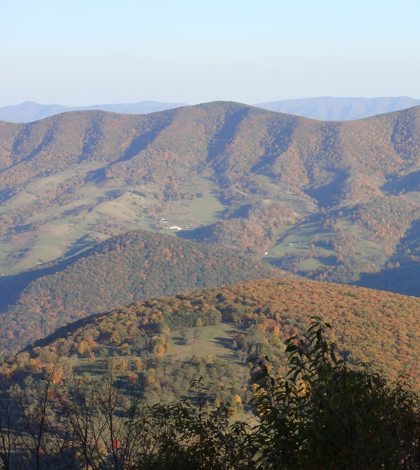
Mountaintop Removal: Parts Of West Virginia 40 Percent Flatter
Scientists at Duke University use long-term imagery sets to assess the flattening effects of mountaintop removal in West Virginia.
- Posted February 17, 2016

Evidence Confirms Nature Not To Blame For Global Warming
When global temperatures rise, the Earth has a self-correcting mechanism called the Planck Response, which allows it to cool back down. The Planck Response is a large increase in infrared energy emitted by the Earth as it...
- Posted February 17, 2016
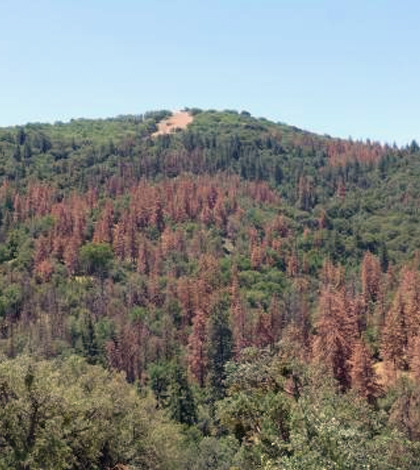
Report Details Impacts Of Drought In U.S.
Forests and grasslands in the United States can’t seem to escape the impacts of drought, according to a new report from the U.S. Forest Service. Scientists at Duke University helped to compile and edit the report, which...
- Posted February 11, 2016
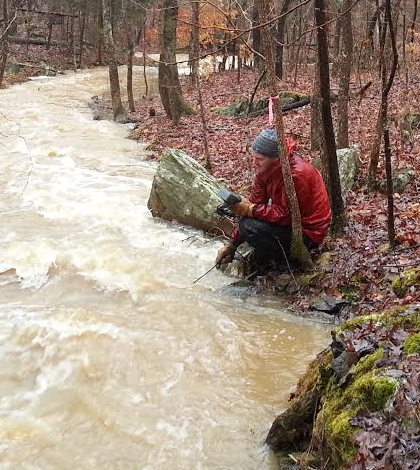
Forest Hydrology Study Considers Old Soil Effects
Duke University researchers use groundwater wells, YSI EXO sondes and tipping bucket rain gauges to study forest hydrology.
- Posted January 6, 2016
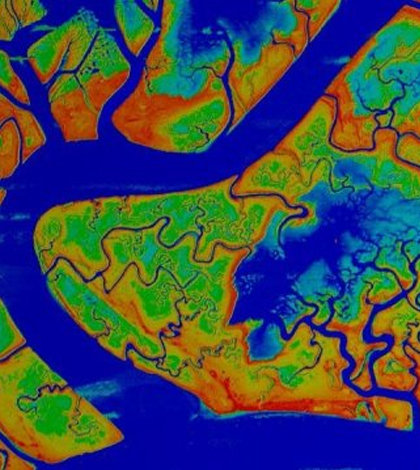
Coastal Marshes May Use Carbon Dioxide To Build Themselves Up
Coastal marshes are complex systems, critical to the health of the environment. Whether they will be able to adjust to climate change, including sea level rise, has been a subject of great concern for many scientists. However,...
- Posted January 4, 2016
A Small Change In Marsh Planting Methods Can Yield Huge Results
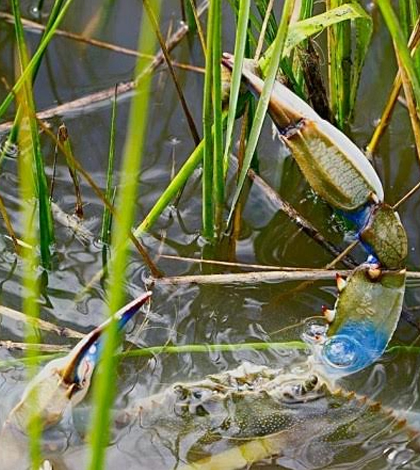
Scientists at Duke University make huge strides in marsh conservation efforts, simply by clumping plants closer together.
- Posted November 17, 2015