

Posts for tag "HABs"
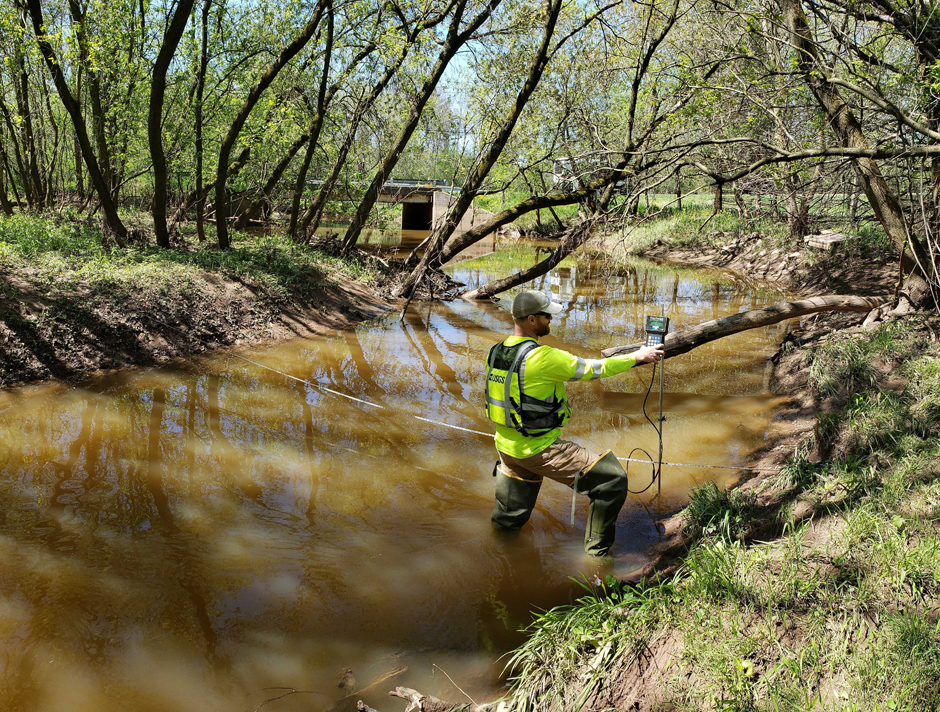
Predicting Harmful Algal Blooms in Green Bay’s Fox River
Green Bay, Wisconsin, has long faced water quality concerns, dating back decades to when the region was industrialized and waste was frequently flowing into the Fox River, a tributary of the bay. Nutrient loads from development and...
- Posted October 13, 2025
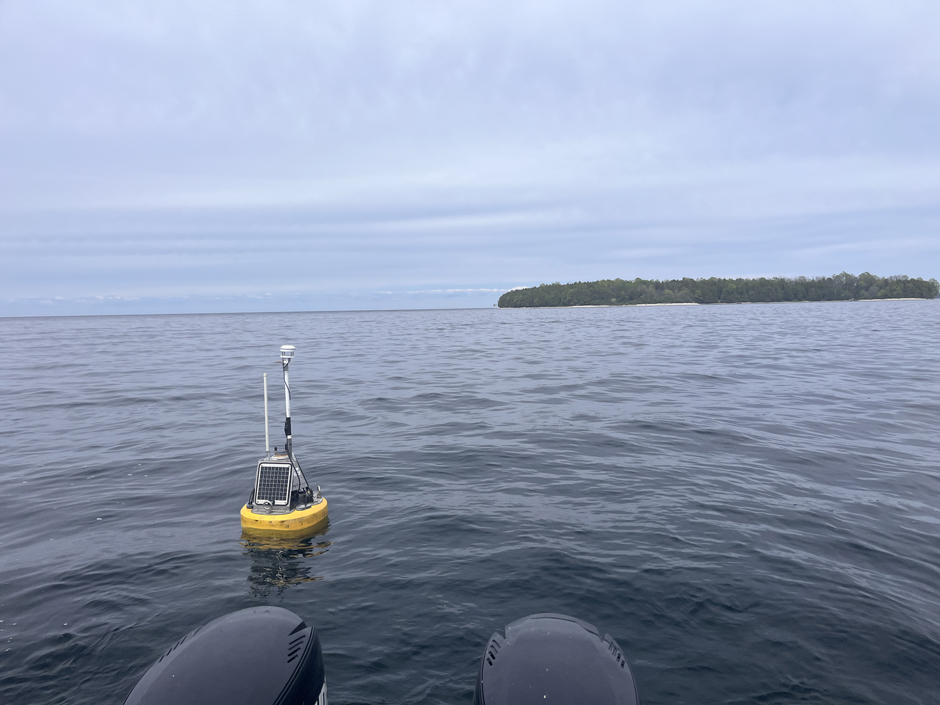

Measuring Harmful Algal Bloom Toxins Using Real-Time Data Buoys in the Great Lakes
While harmful algal blooms (HABs) are a significant issue in the Great Lakes that have been monitored using real-time data buoys, there is still no automated method for measuring the toxins produced by these blooms. Todd Miller,...
- Posted September 1, 2025
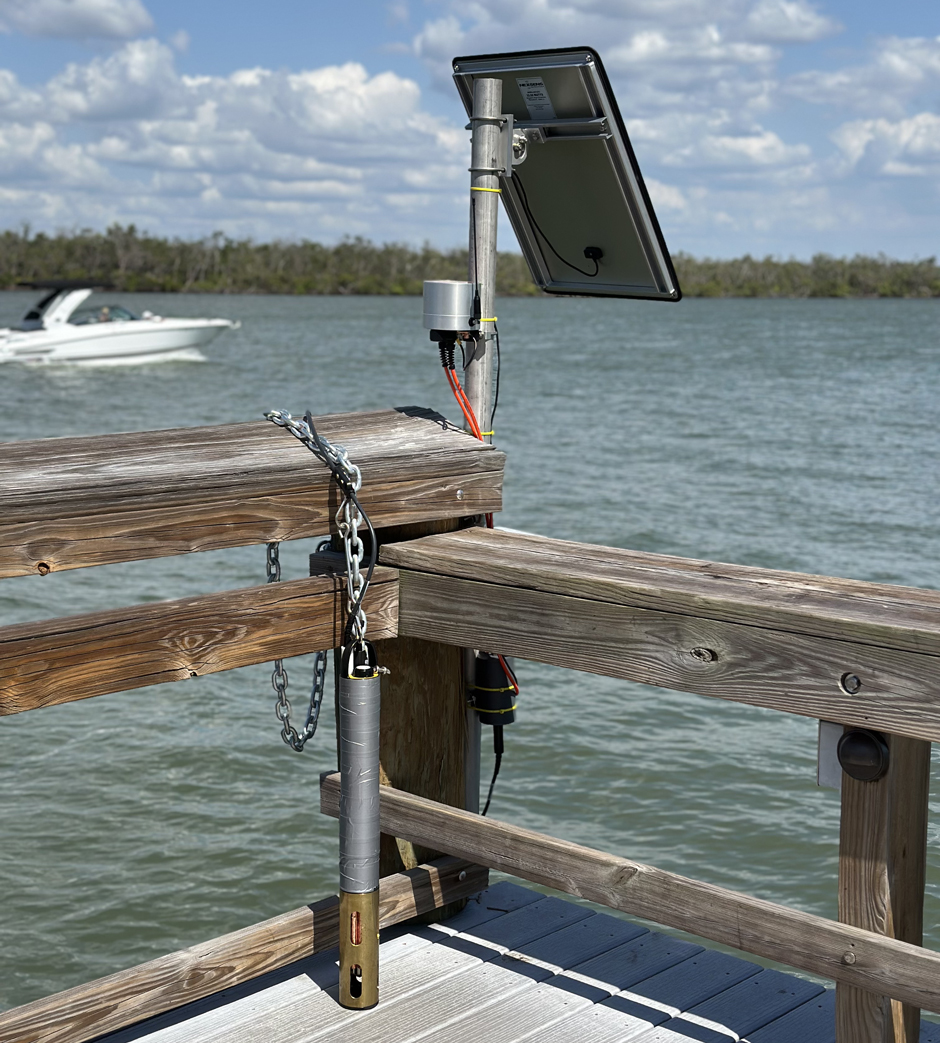

From Hurricanes to Florida’s Red Tides: Monitoring the Southwest Gulf Coast
Nearly every year, southwest Florida is blighted by harmful Karenia brevis blooms–known colloquially as Florida red tides. These harmful algal blooms (HABs) form over the West Florida shelf and are pushed shorewards by winds and currents. Once...
- Posted June 25, 2025
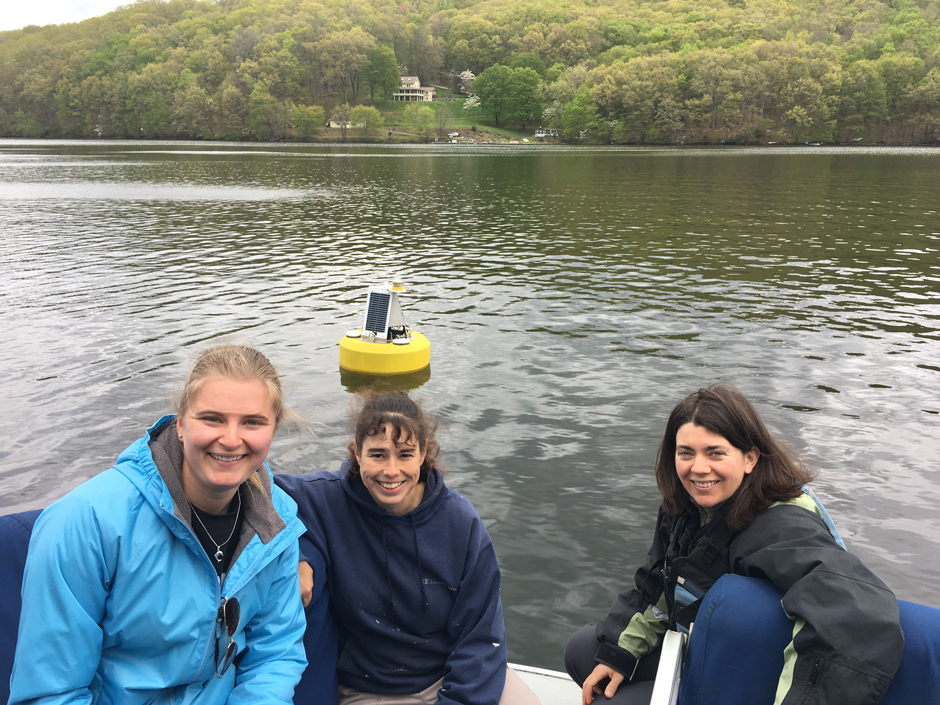
Combining Academia and Lake Associations: Monitoring Lake Lillinonah
Lake Lillinonah may be Connecticut’s second-largest lake, but it holds a great deal of meaning for locals and researchers in the surrounding towns. The lake is so significant to the surrounding community that it is one of...
- Posted March 4, 2024
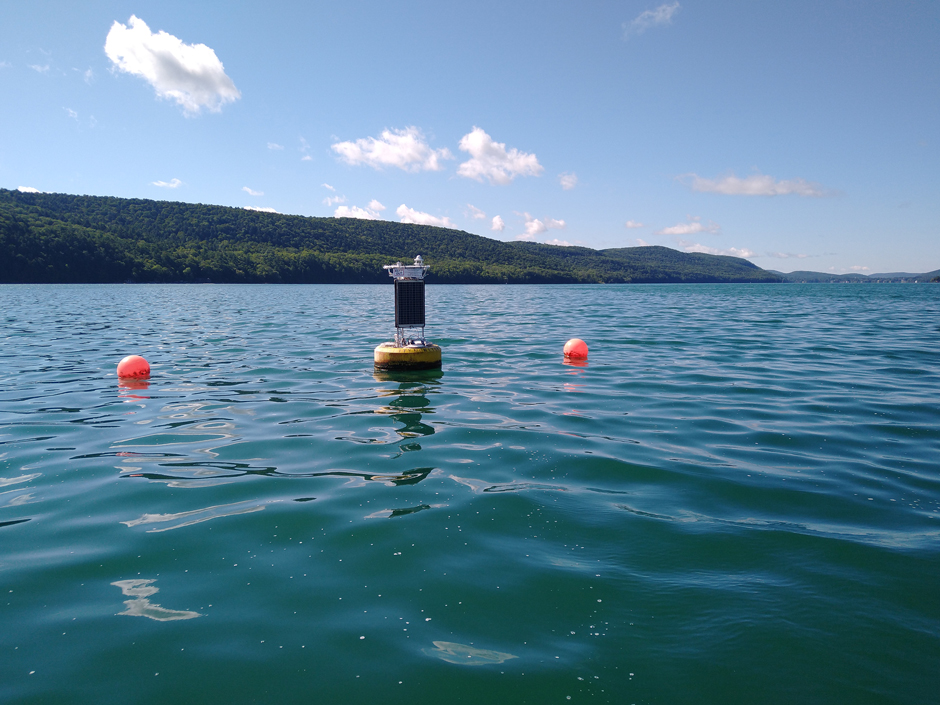
Before and After Harmful Algal Blooms: Long-Term Monitoring and Modeling in Otsego Lake
Throughout the years, harmful algal blooms (HABs) in the Laurentian Great Lakes have been meticulously documented and closely studied due to their annual appearance across the basin. While these blooms have become a recurrent issue in the...
- Posted August 28, 2023
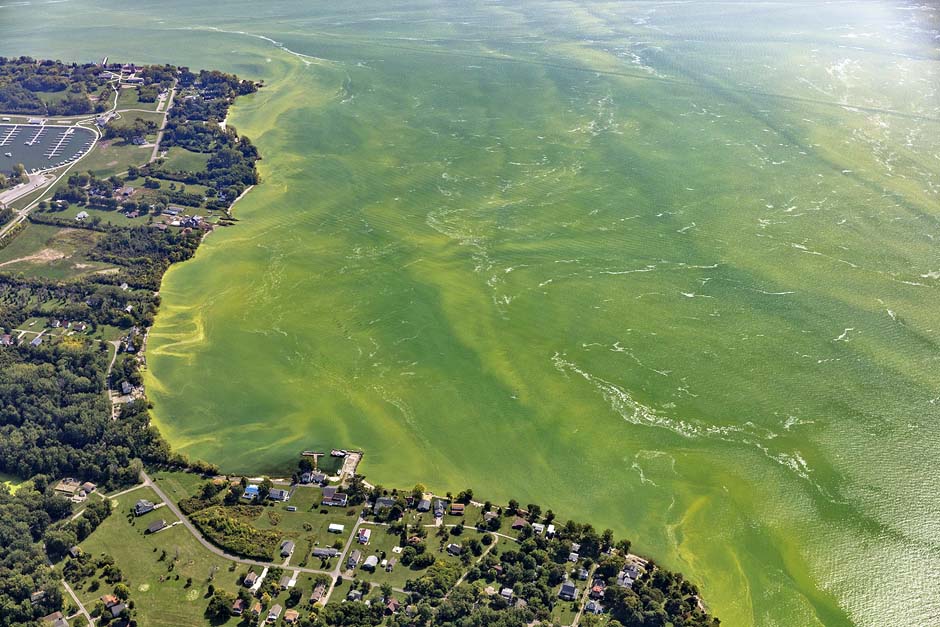

New Tech Aims to Make Algal Bloom Monitoring Faster and More Dynamic
Technology on the horizon will allow researchers to track harmful algal blooms and measure their toxicity in real time.
- Posted July 7, 2021
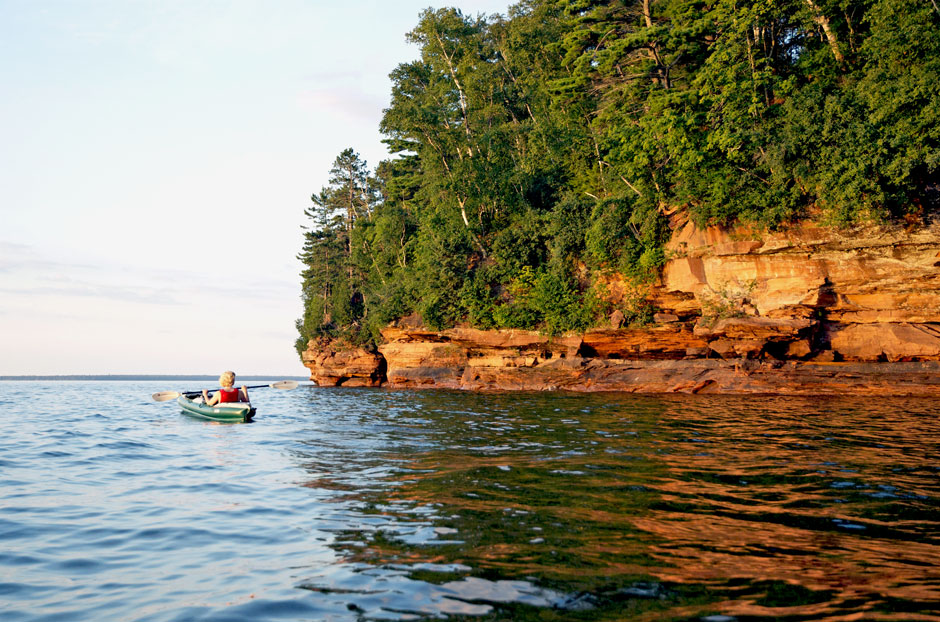

Lake Superior Algal Blooms Surprise, Highlight Need for More Monitoring
Algal blooms showed up unexpectedly in Lake Superior. Researchers pieced together their cause and are on the lookout for future blooms.
- Posted October 21, 2020
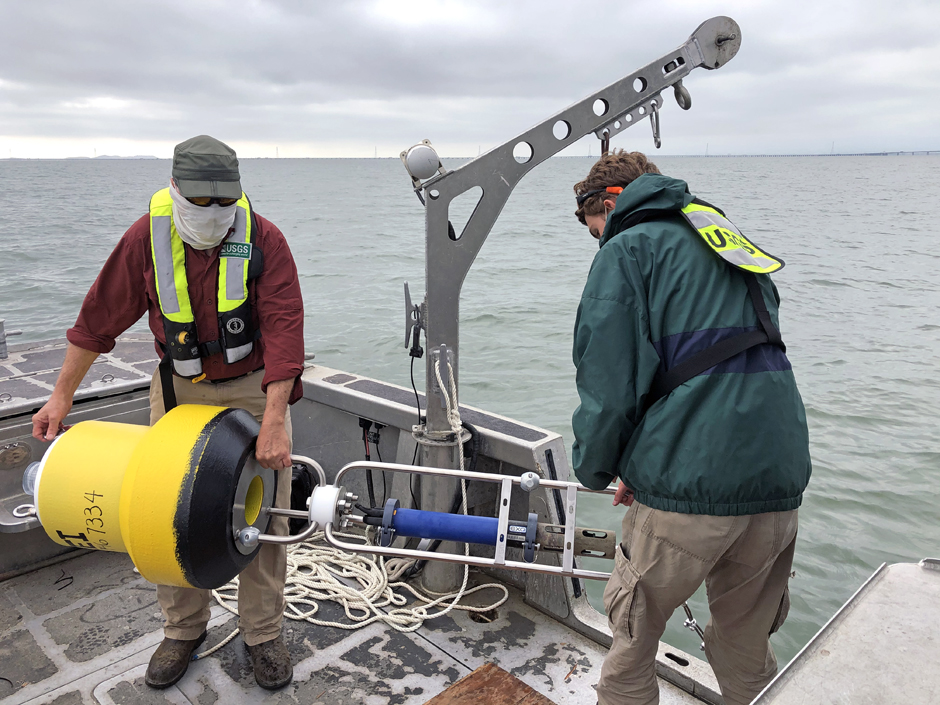
San Francisco Bay’s Nutrient Phenomena
Two data buoys recently deployed in the shoals of San Francisco Bay could be filling the important data gap on the local impacts of nutrient loading.
- Posted September 30, 2020
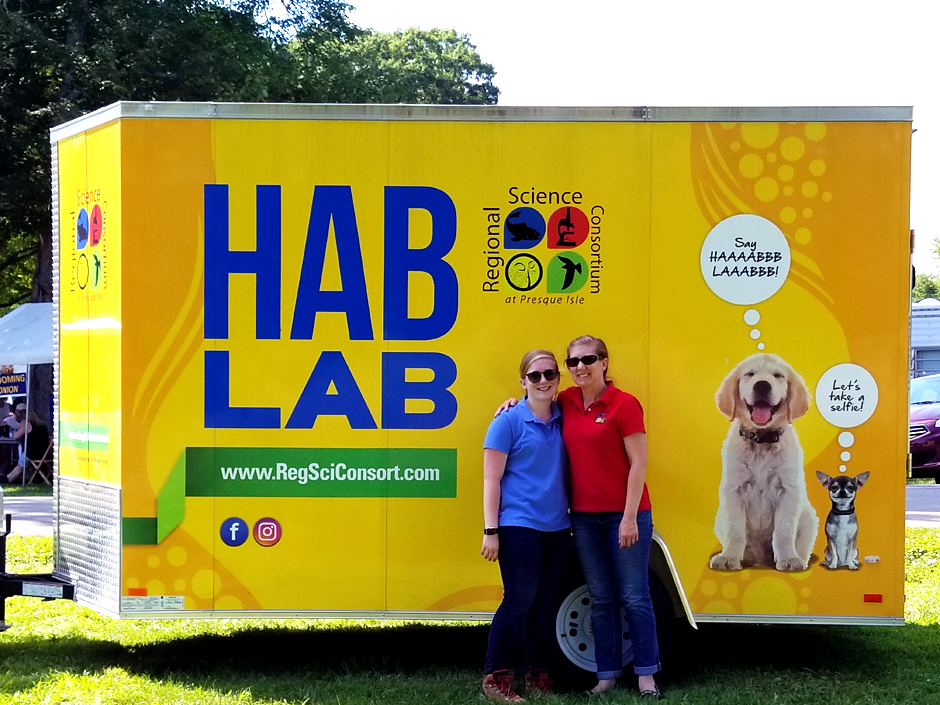
Mobile HAB Lab, Citizen Scientists Building Awareness
The Mobile HAB Lab project is taking awareness about Microcystin to the public in Pennsylvania to help keep people and pets safe.
- Posted October 23, 2019
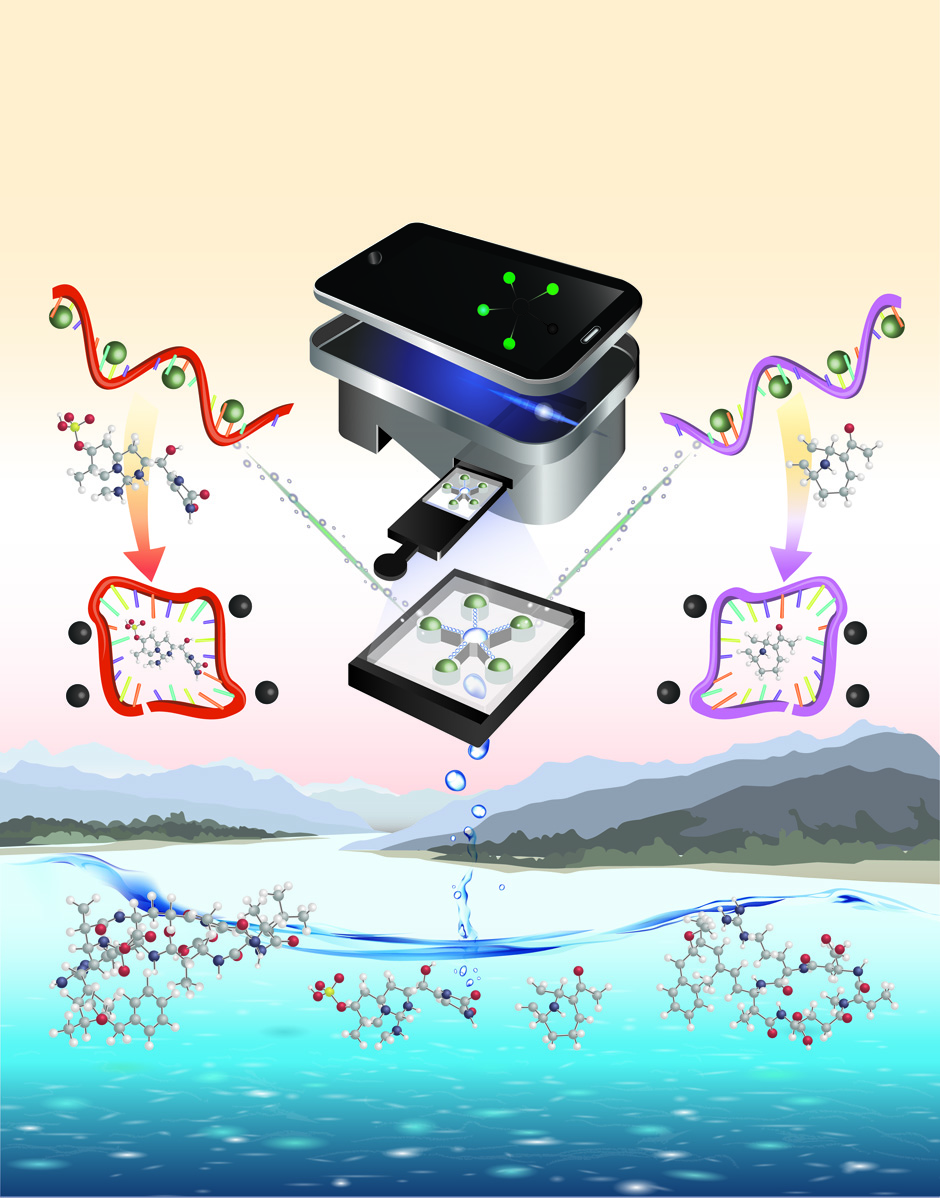

Handheld Cyanotoxin Detection Technology Prototype
Engineers have developed a prototype for a handheld cyanotoxin detector that works with a cell phone for real-time results in the field.
- Posted October 17, 2019
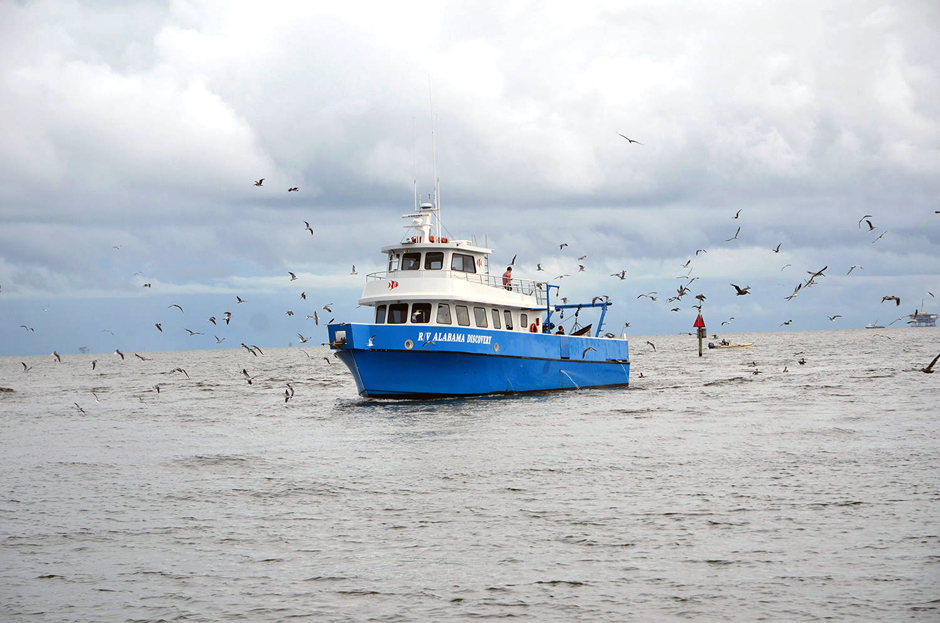

Alabama’s Dauphin Island Sea Lab Features Diverse Environmental Monitoring
Dauphin Island Sea Lab features aquatic environmental monitoring and research as well as an Estuarium full of Alabama’s aquatic life. DISL also features educational programs for K-12 on up to adults, including a program where students learn...
- Posted August 7, 2019
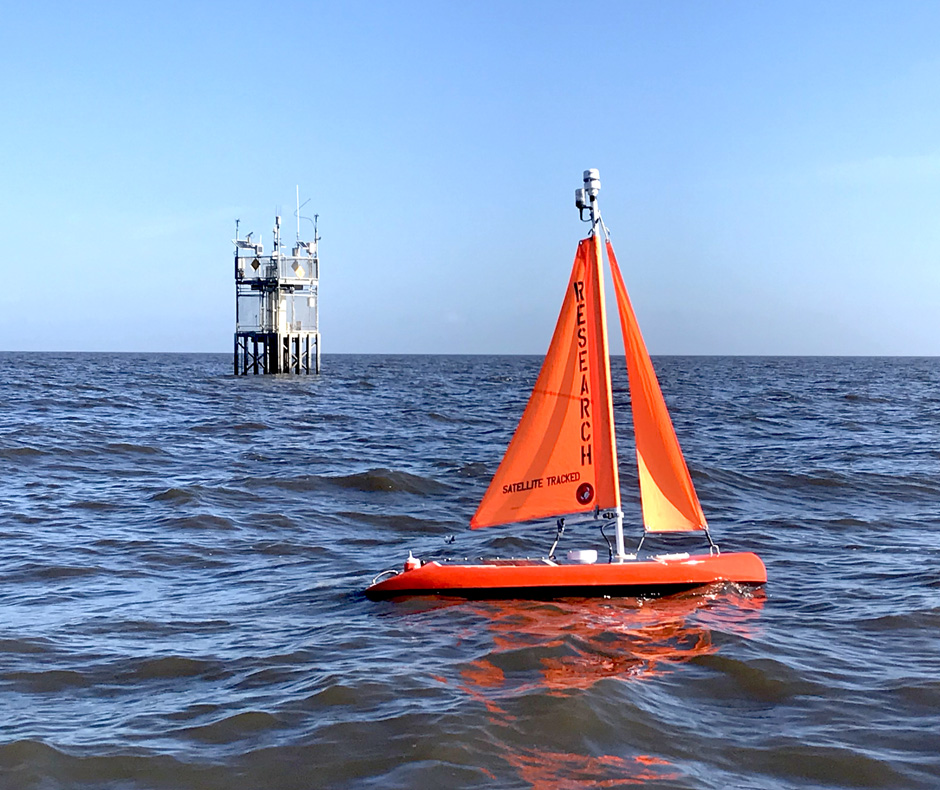

Solar and Wind-Powered, Algae Tracking Boat Trialed in Florida
FAU scientists have trialed a new solar-powered, algae tracking boat which may help warn of impending blooms.
- Posted July 15, 2019
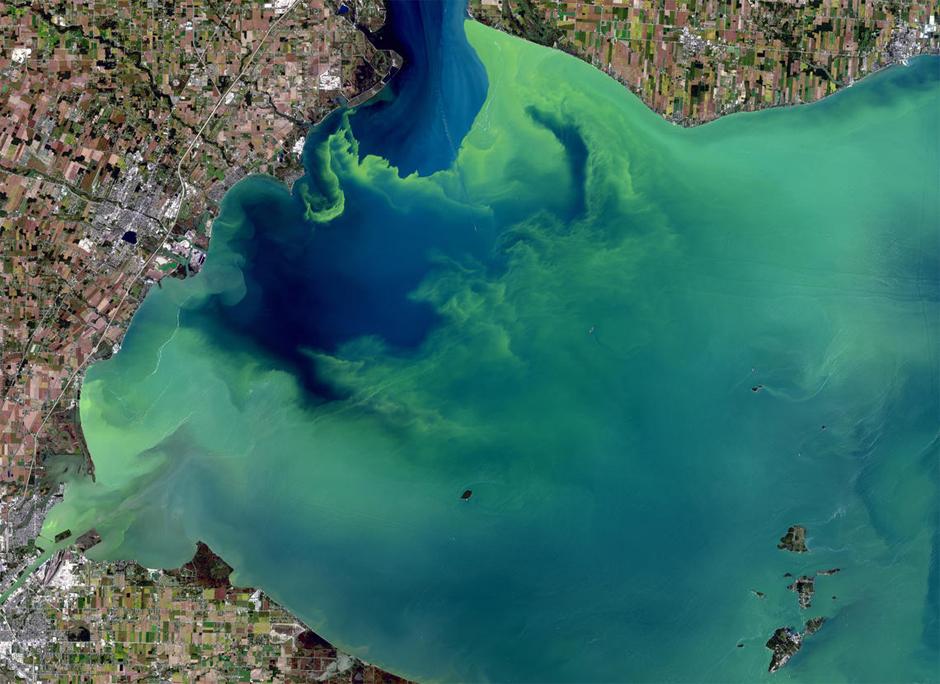

Could Bacteria Target Algal Microcystin Toxins Released Into Water?
New research into bacteria that naturally degrade microcystins could offer new alternatives for drinking water treatment.
- Posted June 28, 2019
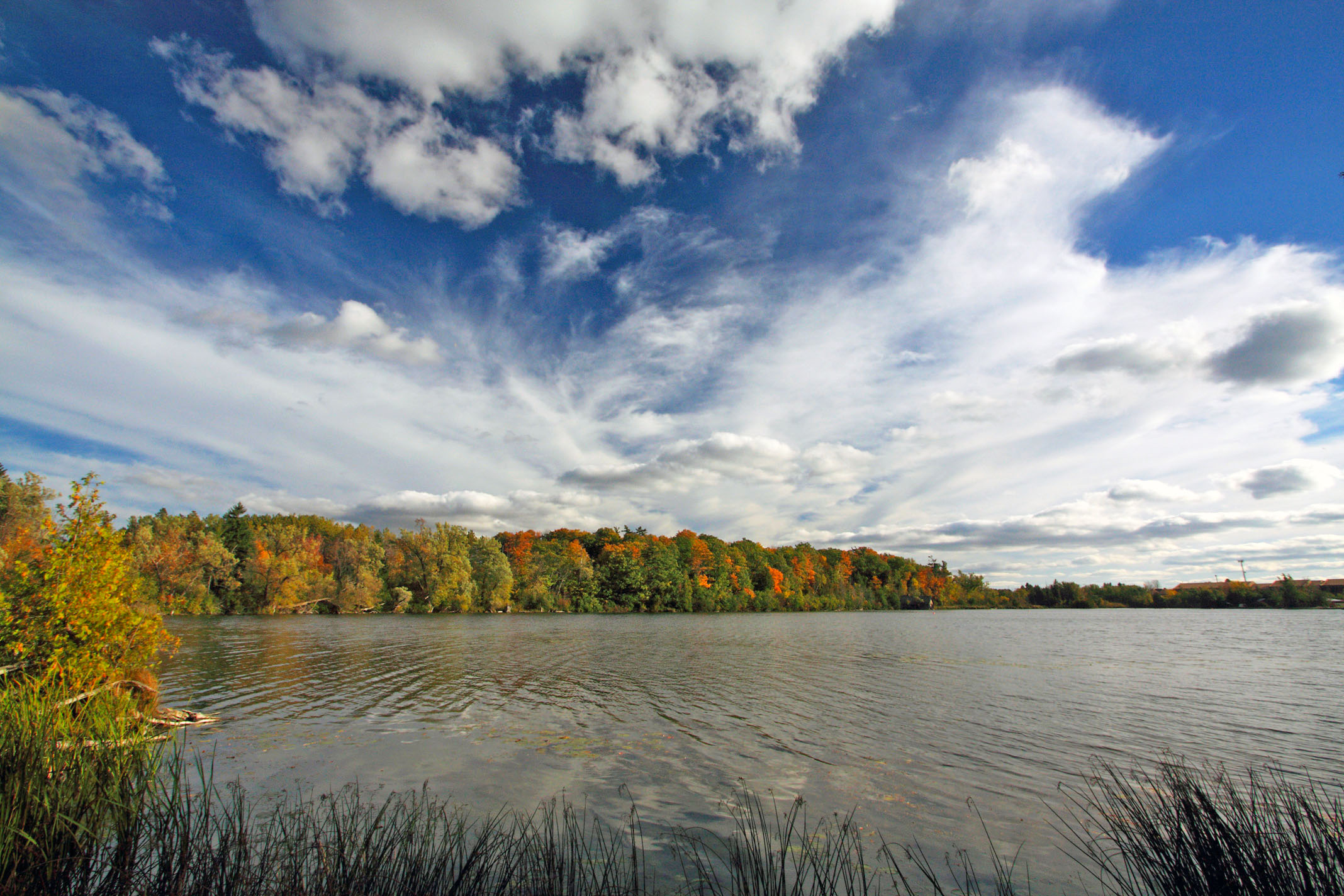

The Seneca Lake Watershed Management Plan
Harmful algal blooms are occurring in Seneca Lake, and a team with an updated WMP and frequent monitoring is hoping to counter them.
- Posted March 8, 2019
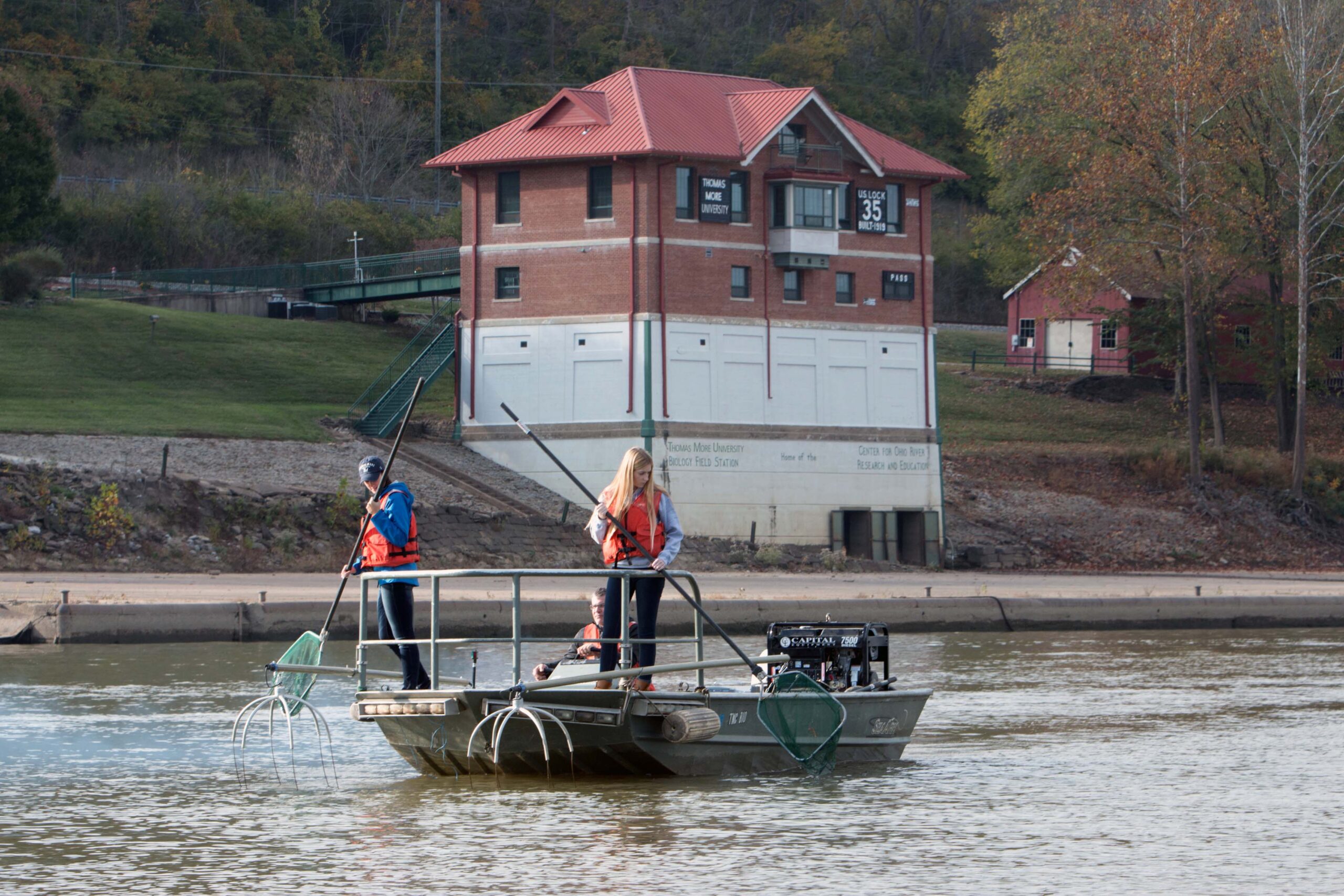

Thomas More Biology Field Station: More Than 50 Years of Great River Research
Thomas More Biology Field Station tracks Ohio River health, raises freshwater mussels and Eastern hellbenders, monitors for HAB and more.
- Posted January 11, 2019
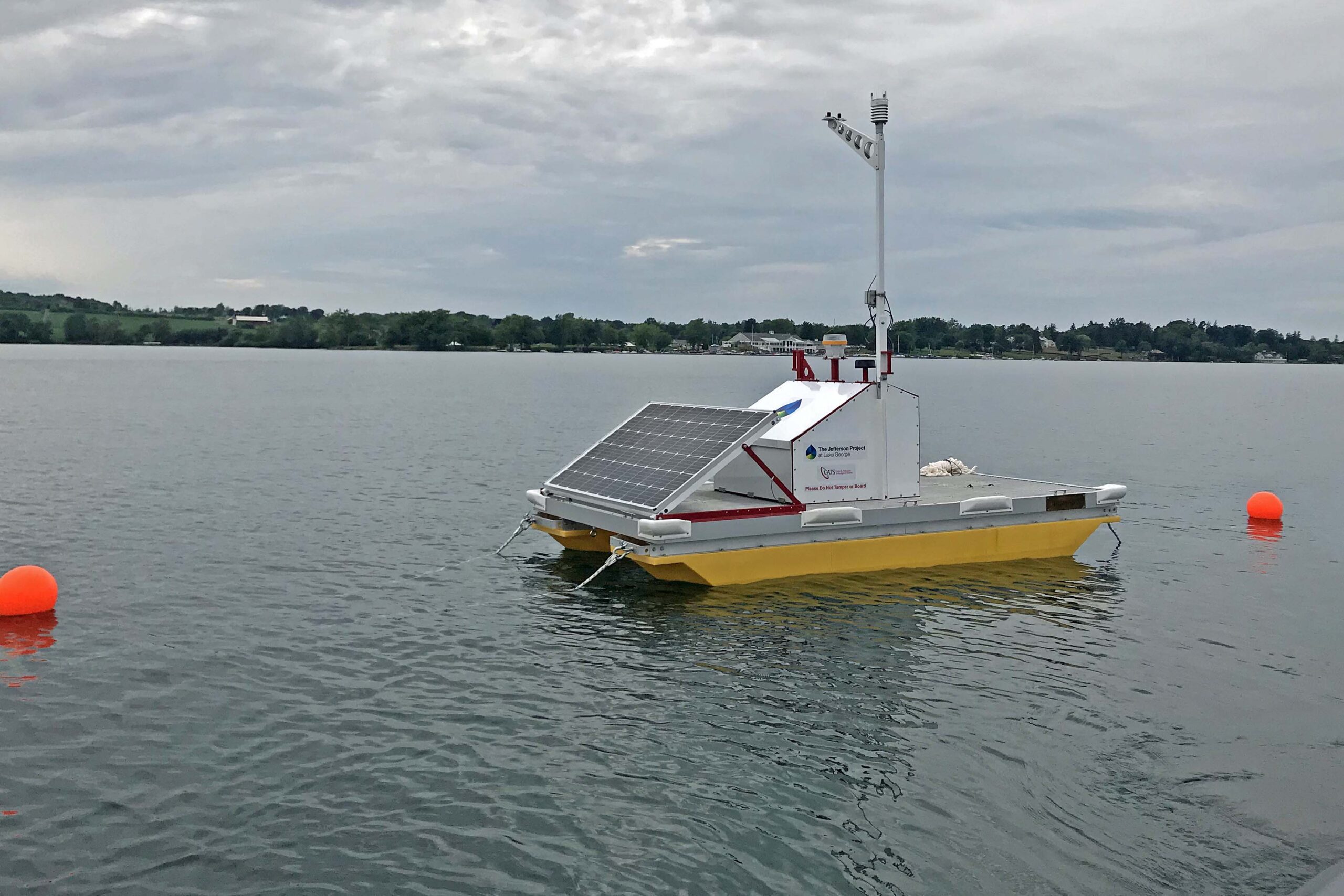
Jefferson Project Expands Smart Tech to Skaneateles Lake
The Jefferson Project has begun a pilot program in Skaneateles Lake to determine what caused a large harmful algal bloom in 2017, the lake’s first.
- Posted November 2, 2018
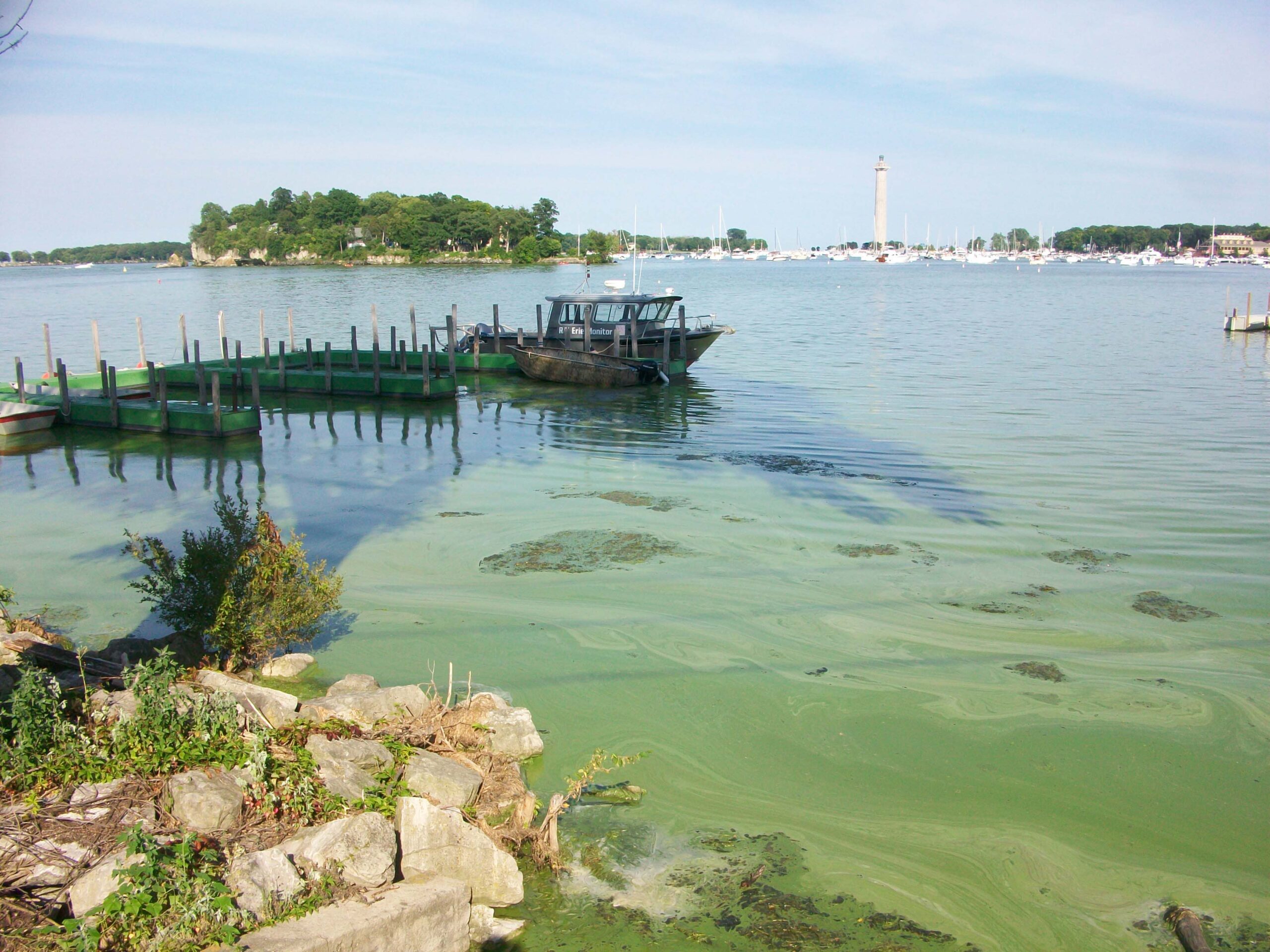

When Green Isn’t Good: Cyanobacterial Toxin Knowledge and Toxicity Forecast High on Stone Lab’s List of Research Pursuits
Ohio State’s Stone Lab researchers make headway in understanding Microcystis toxin production and predicting toxicity of HAB events in the Lake Erie region.
- Posted October 25, 2018