

Posts for tag "carbon dioxide"
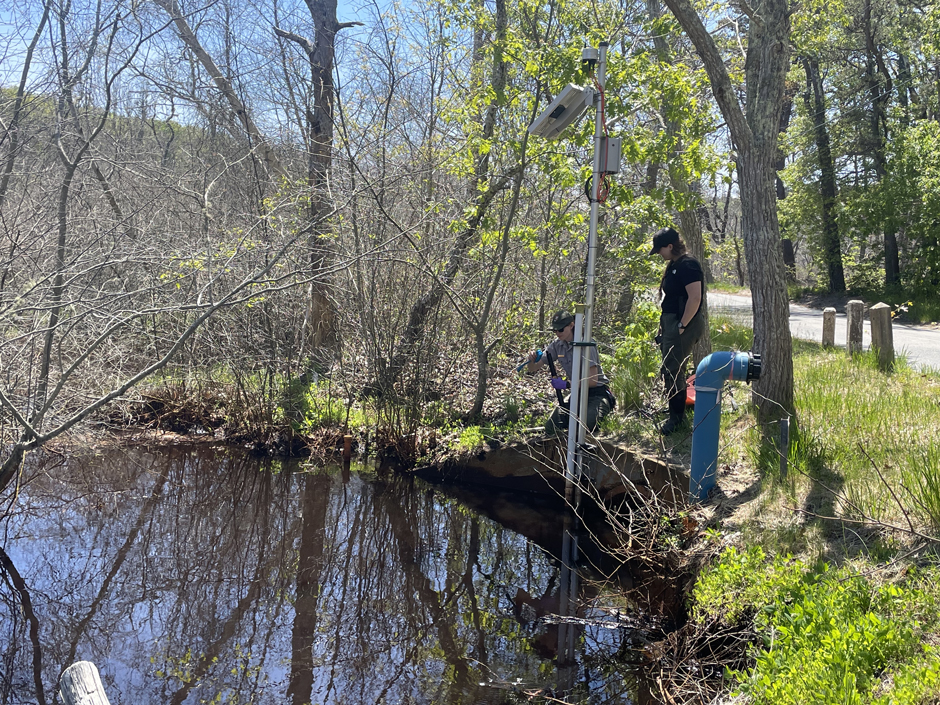
No Red Herrings: Data Driving the Largest Salt Marsh Restoration in the NE USA
The Herring River system encompasses around 1,000 acres in the Towns of Wellfleet and Truro, Massachusetts. In 1909, the Chequessett Neck Road dike was built at the river’s mouth, drastically limiting tidal flow. Today, it’s one of...
- Posted June 16, 2025
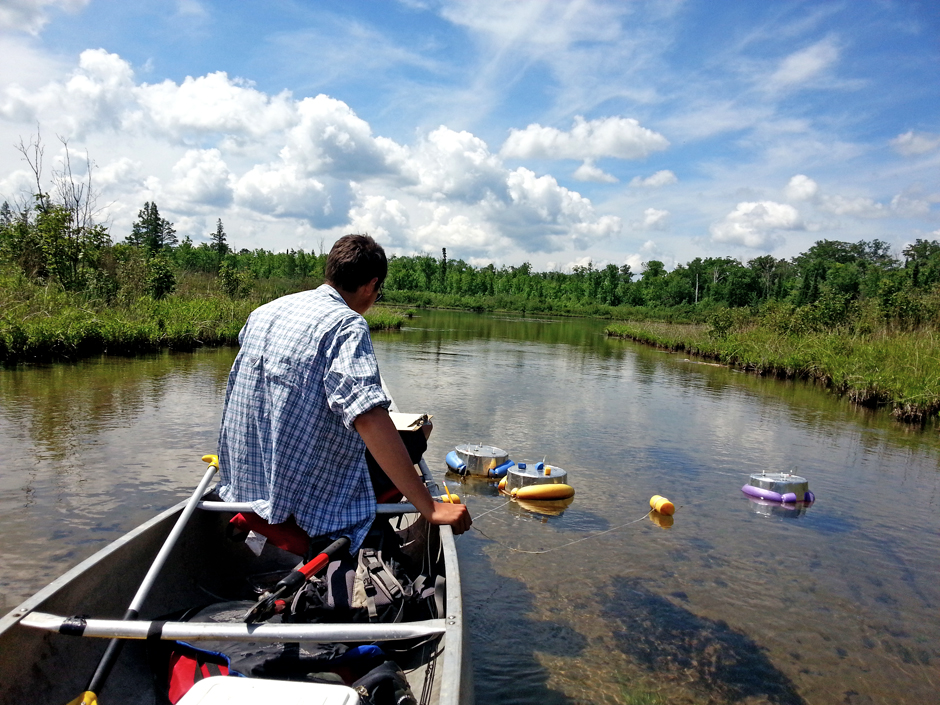

In the Right Place All the Time: Greenhouse Gas Research and NTL-LTER
Greenhouse gas dynamics research in lakes and streams by NTL-LTER yields some surprising results, especially regarding methane.
- Posted October 12, 2021
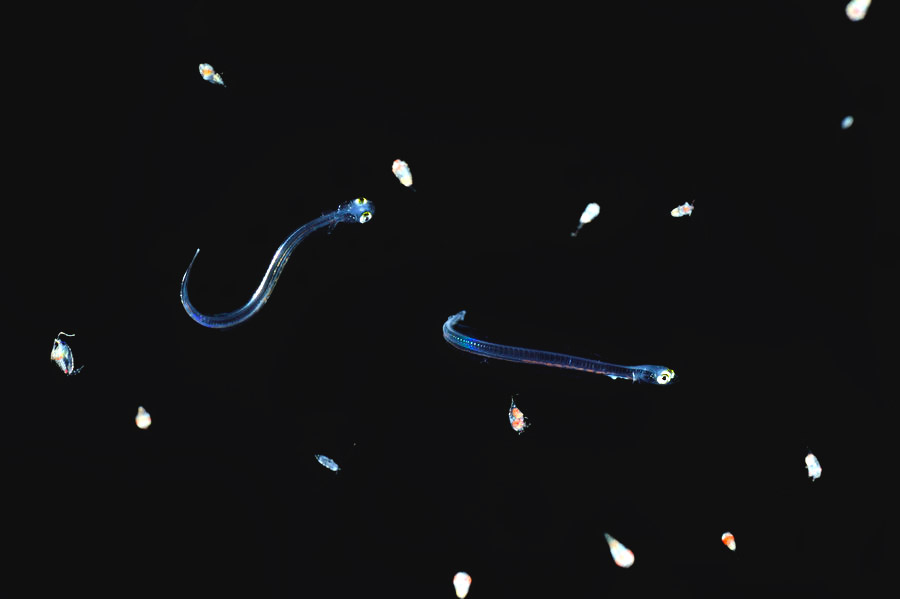

Acidification May Ease Struggle to Survive for Herring Larvae
New research has revealed that herring larvae seem to benefit from limited rises in CO2 levels in water that cause zooplankton to thrive, offering more food.
- Posted April 24, 2018


Rising Atmospheric CO2 Levels Affecting Cephalopod Behaviors
New research shows that rising levels of atmospheric CO2 may affect cephalopod behaviors—in potentially detrimental ways.
- Posted April 23, 2018
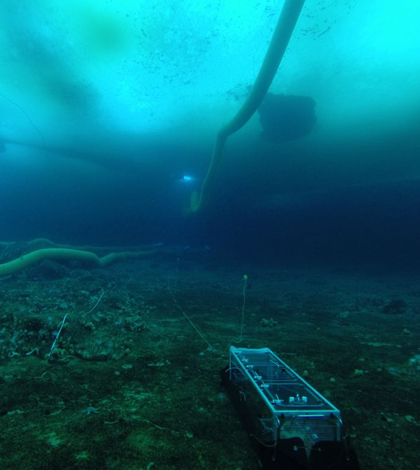

Acidification: Antarctic Free Ocean Carbon Enrichment Experiment
The Antarctic Free Ocean Carbon Enrichment experiment used massive underwater tubes, chambers and a sea ice buoy to study ocean acidification.
- Posted August 15, 2016
Ocean Carbon Sink: Polar Regions Outperform Others
An effort led by University of Washington investigators has found that polar regions outperform others in ocean carbon sequestration.
- Posted August 12, 2016
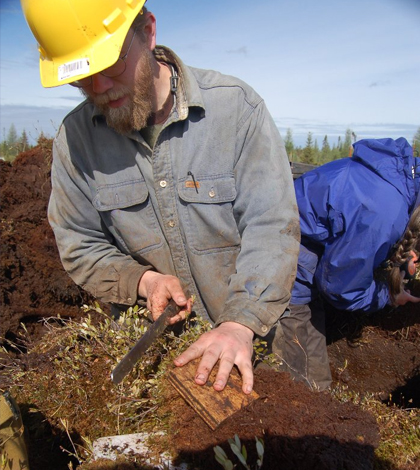
Dry, Wet Thawing Permafrost Soils Affect Greenhouse Gas Ratios
Numerous studies into thawing permafrost soils reveal insights into carbon dioxide and methane ratios impacting the permafrost carbon feedback loop.
- Posted June 29, 2016
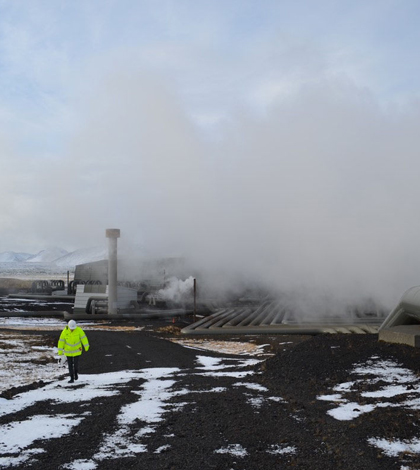
Scientists Turn Carbon Dioxide To Stone
A new method puts carbon dioxide on lockdown, according to a recent article by Live Science. In Iceland, researchers took carbon dioxide spewed from a geothermal power plant and treated it to a sped-up version of rock...
- Posted June 21, 2016
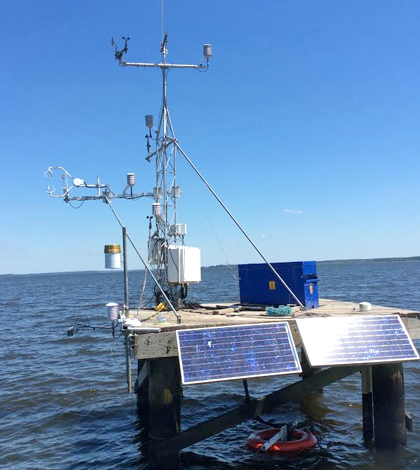
Carbon Emissions From Lakes Greatly Underestimated
An eddy covariance system in Mississippi’s Ross Barnett Reservoir reveals that some carbon emissions from lakes have been overlooked by previous studies.
- Posted June 14, 2016
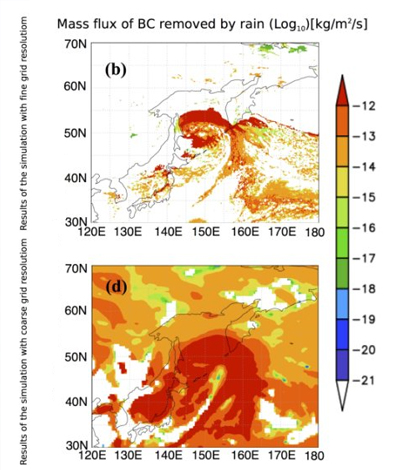
Smaller Grids Improve Black Carbon Aerosol Estimates In Arctic
Black carbon aerosol particulates produced by incomplete burning of biomass, fossil fuels and agricultural waste can influence the Arctic climate by absorbing sunlight and causing atmospheric warming. They can also darken the snow, reducing reflectance and warming...
- Posted June 3, 2016
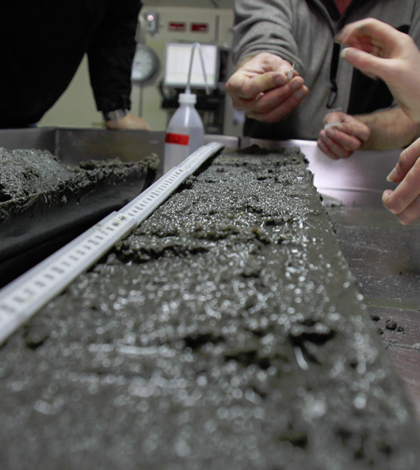
Carbon Dioxide Reservoir Solves Puzzle Of Ice Age Climate Change
At a depth of 2,000 to 4,300 meters under the South Pacific, researchers from Alfred Wegener Institute and their collaborators have discovered evidence of a large reservoir that finally reveals where atmospheric carbon dioxide went during the...
- Posted June 1, 2016
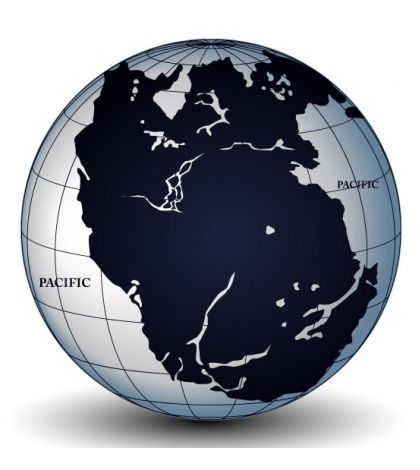
MIT Scientists Find Cause Of Past Ice Age: Massive Carbon Sequestration
For hundreds of millions of years, Earth’s climate has been relatively stable. But around 80 million years ago, temperatures plummeted during an ice age. Scientists at Massachusetts Institute of Technology think they have figured out why the...
- Posted May 31, 2016
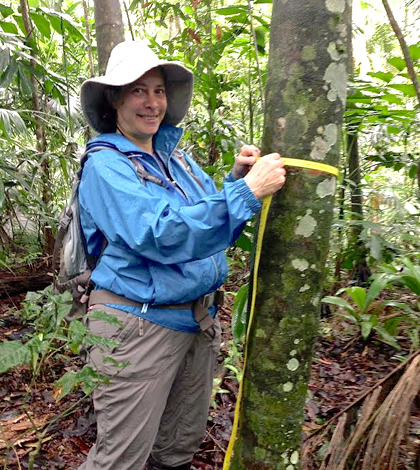
Secondary Forests Key To Mitigating Climate Change
Clemson University researchers help an investigation finding secondary forests can be important carbon sinks just like old-growth forests.
- Posted May 24, 2016

Model Shows Upsides To Hurricanes: More Carbon Uptake
A Duke University model developed over 20 years shows upsides to hurricanes -- they can help prevent drought and increase carbon uptake in trees.
- Posted May 18, 2016
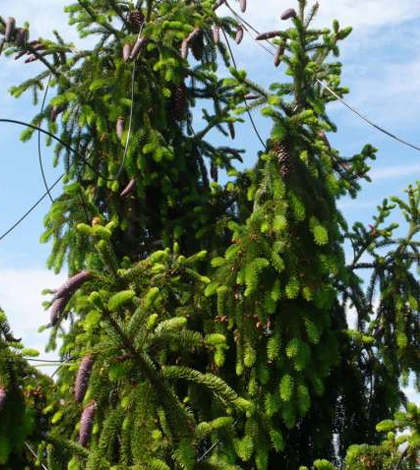
Trees Found To Trade Carbon With One Another
University of Basel researchers made a surprising discovery recently: Trees don’t take up carbon just for themselves, they also trade it with their neighbors through a network of underground symbiotic or mycorrhizal fungi. The carbon is shared...
- Posted May 9, 2016
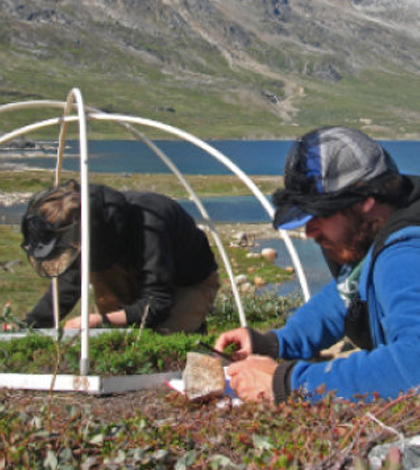
Plant Gases May Cool Arctic And Slow Global Warming
Researchers from the Department of Biology and Center for Permafrost at the University of Copenhagen recently made a startling discovery: The biogenic volatile organic compounds (BVOCs) produced by tundra plants may help slow down global warming in...
- Posted April 29, 2016
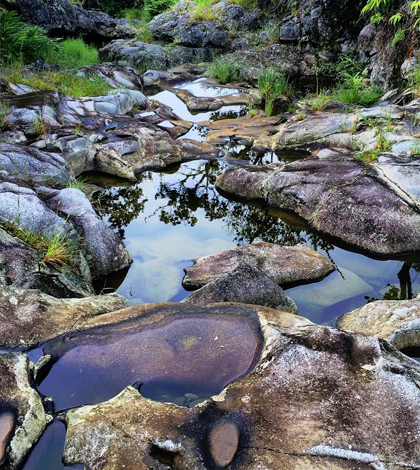
Chemical Weathering Of Bedrock, River Erosion, Linked To Precipitation
Hawaiian volcanic rocks indicate local climate has an important relationship with chemical weathering of river bedrock, river erosion and the carbon cycle.
- Posted April 26, 2016
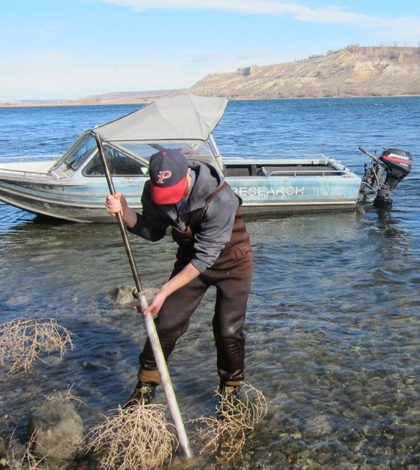
Columbia River Hyporheic Zone Tackles Contaminants, Greenhouse Gases
Scientists at the Pacific Northwest National Laboratory dissect the metabolic activity in the Columbia River hyporheic zone.
- Posted April 19, 2016
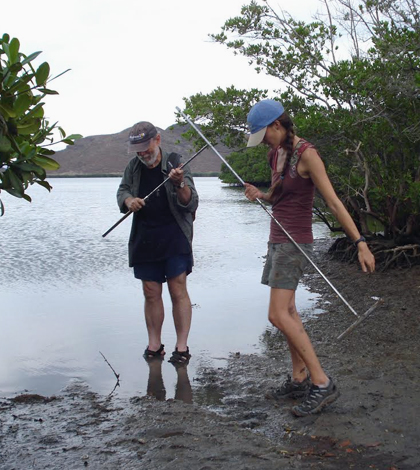
Desert Mangroves Make Surprisingly Good Carbon Sinks
Using core samples, mass spectrometry and other techniques, researchers explore the extraordinary carbon sink capacity of desert mangroves.
- Posted April 12, 2016
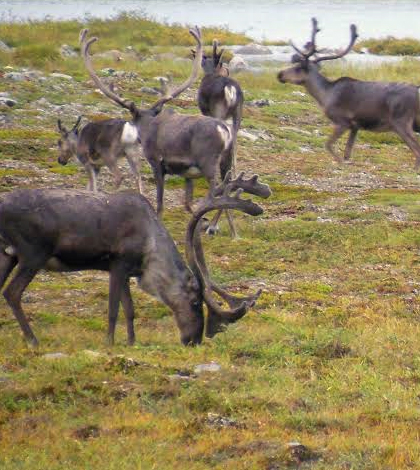
More Snow May Increase Alaskan Tundra Permafrost Degradation
An increase in snowfall is likely to lead to more Alaskan tundra permafrost degradation and changes in methane and CO2 production and absorption.
- Posted March 22, 2016